How to Build a High-Quality Buyer List with Customs Data-TradeSaya

Finding a list of importers is not difficult. The real challenge is determining which companies are still actively purchasing, whether their product requirements match your offer, and which buyers are worth prioritizing.
A company appearing in customs records is not necessarily an ideal customer. It may have imported only once, purchased different product specifications, or placed orders that do not match your production capacity.
Customs data should therefore not be treated simply as a company directory. Its greater value lies in helping exporters understand what buyers purchase, how often they buy, which suppliers they work with, and whether their purchasing activity is changing.
With TradeSaya, export sales teams can begin with market and product searches, then analyze buyer purchasing behavior, supplier relationships, and available decision-maker information. This helps turn a large importer list into a more focused group of prospects worth developing.
Step 1: Define Your Ideal Buyer
Before searching for importers, define what type of company best matches your products and supply capabilities.
Consider the following factors:
- Target country or region
- Product category and specifications
- Ideal order size
- Typical purchasing frequency
- Price positioning
- Customer type, such as distributor, wholesaler, retailer, or manufacturer
- Certification, packaging, and delivery requirements
The largest importer is not always the most suitable customer.
A large buyer may demand extremely low prices, longer payment terms, or order volumes beyond your factory’s capacity. A medium-sized buyer with consistent purchasing activity, suitable product requirements, and multiple suppliers may offer a better opportunity.
Step 2: Search by HS Code and Product Keywords
HS codes are an important starting point for searching international trade records, but they should not be the only search criteria.
A single HS code may include several related products. Product descriptions in customs records may also use different material names, specifications, model numbers, or abbreviations.
For more accurate results, prepare:
- Relevant HS codes
- Common product names
- English abbreviations and alternative spellings
- Material or technical specifications
- Keywords for excluding irrelevant products
For example, using only a broad HS code when searching for frozen mango may return records for other frozen fruits. Adding keywords such as “mango,” “mango chunks,” and “IQF mango” can improve the relevance of the results.
Before confirming an HS code, verify the product classification through an official customs source .
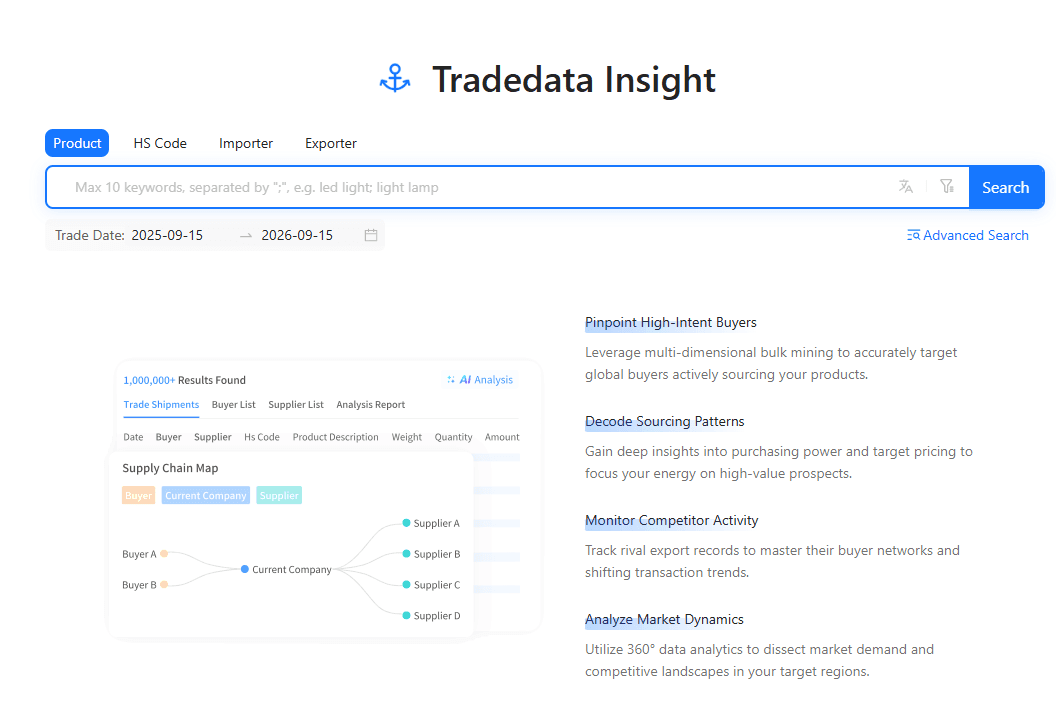
Once the search criteria are ready, enter the HS code and product keywords in TradeSaya. You can then filter the results by target country, transaction period, country of origin, and product description.
Step 3: Identify Buyers Worth Developing
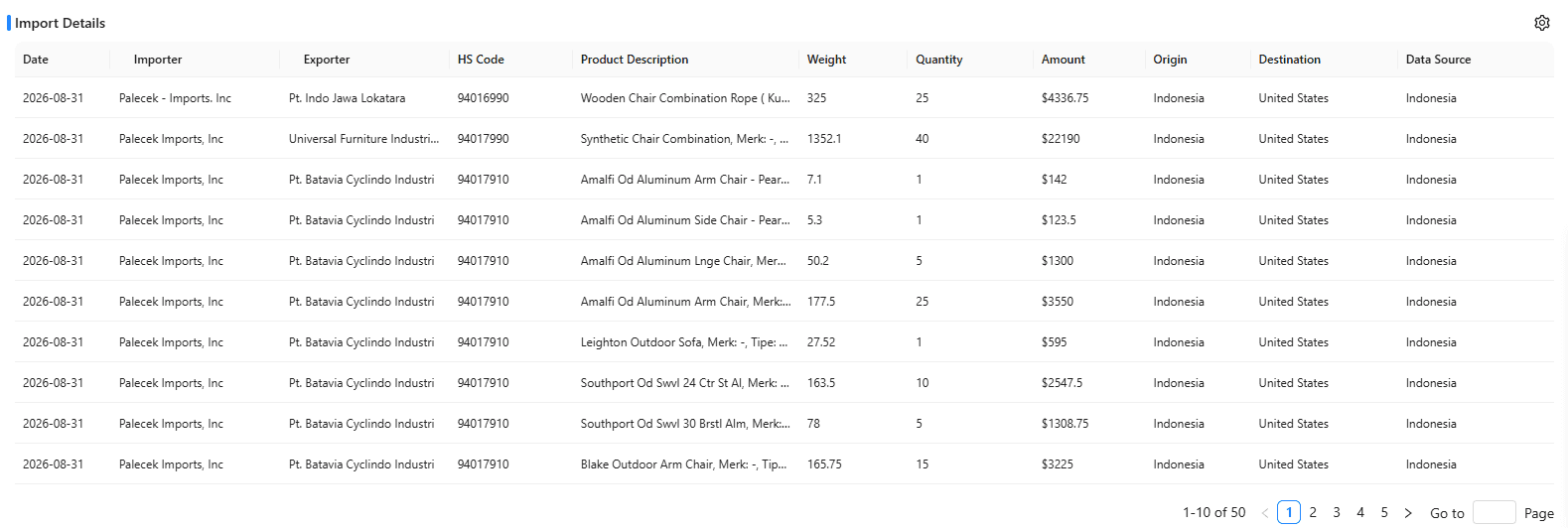
After obtaining an importer list, do not contact every company immediately. Evaluate each buyer using the following factors.
- Product Fit
Review the product descriptions, materials, and specifications in the buyer’s records. Operating in the same industry does not necessarily mean that the company purchases your product.
- Purchase Recency and Consistency
Companies with recent transactions are generally more relevant. You should also determine whether the buyer purchases consistently or has appeared in only one or two transactions.
- Order Size
The buyer’s typical purchasing volume should match your production capacity and business model. Orders that are too small may have limited commercial value, while orders that are too large may create pricing, delivery, or cash-flow pressure.
- Supplier Structure
A buyer working with several suppliers or sourcing from multiple countries may have a relatively open supply chain.
If a buyer has maintained a stable relationship with only one supplier for a long period, entering its supply chain may be more difficult. However, the company may still be worth monitoring for future changes.
TradeSaya helps sales teams review available transaction history, purchasing frequency, product descriptions, and supplier relationships so they can decide which companies should enter the priority prospect list.

Step 4: Look for the Right Time to Make Contact
Customs data can help businesses find buyers, but it can also provide useful timing and context for sales outreach.
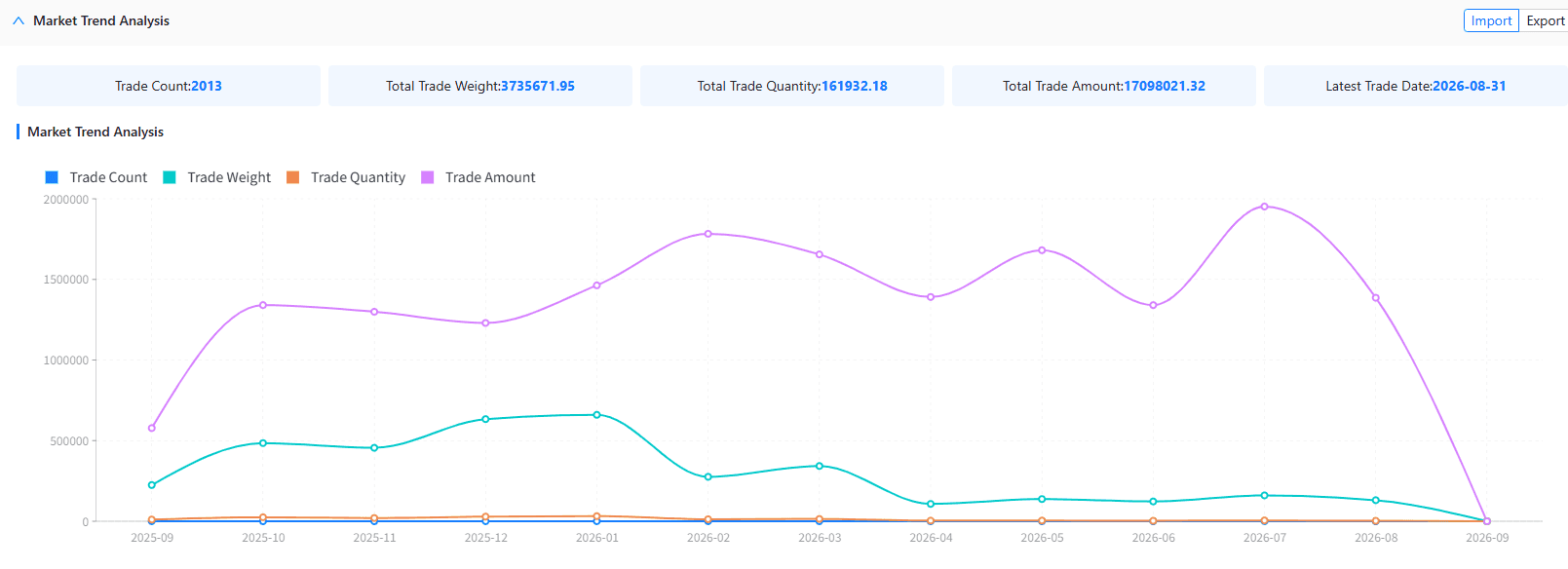
Signals worth monitoring include:
- The buyer’s import volume is increasing
- The buyer has added new suppliers
- Shipments from an existing supplier are declining
- The buyer has started sourcing from a new country
- Purchasing frequency has changed significantly
- New specifications have appeared in product descriptions
- A seasonal purchasing period is approaching
These changes do not necessarily mean that a buyer is ready to replace its current supplier. However, they can help sales teams determine which companies deserve further research.
By monitoring changes in buyer and supplier activity through TradeSaya, sales teams can identify potential opportunities earlier instead of relying on a static company list.
To find potential buyers through competitor relationships, see [How to Use Customs Data to Monitor Competitors and Find New Buyers].
Step 5: Reach the Right Decision-Maker
Customs data can usually help you identify a company, but raw transaction records do not always include the contact details of the person responsible for purchasing decisions.
TradeSaya connects trade activity with available company and decision-maker information. After qualifying a buyer, sales teams can further access available emails, phone numbers, and WhatsApp details for key contacts such as:
- Purchasing Managers
- Procurement Directors
- Supply Chain Managers
- Business Owners
- General Managers
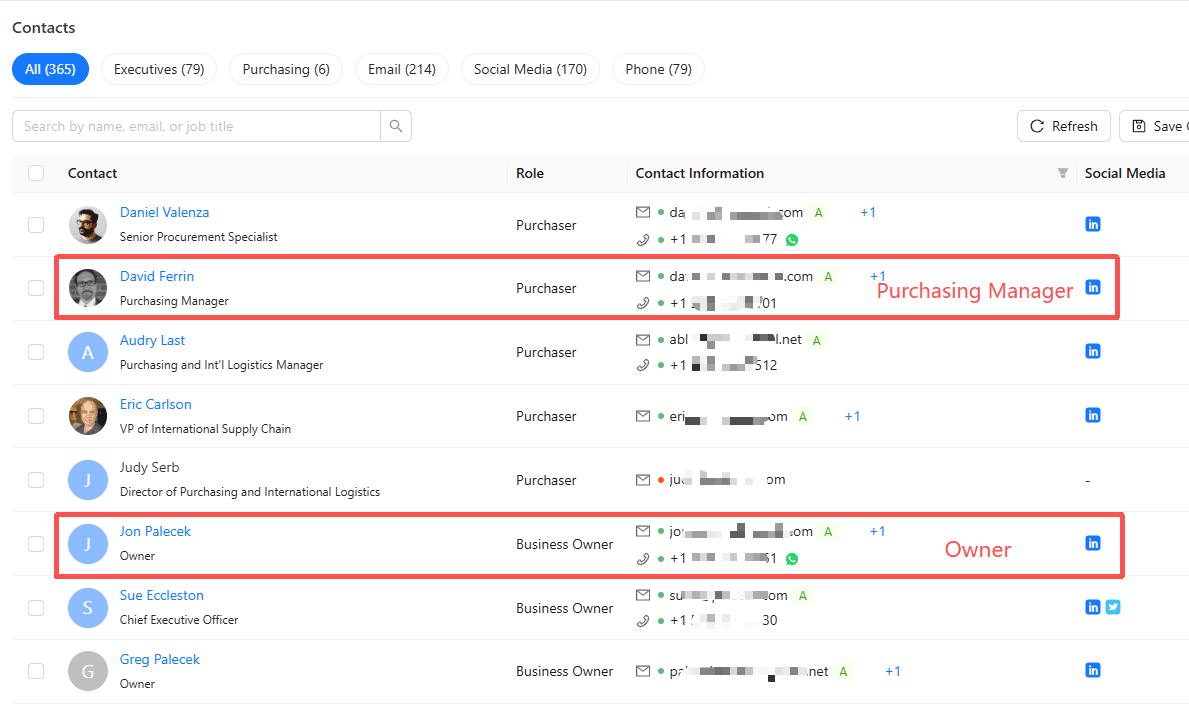
This helps export sales representatives reach the people who can make purchasing decisions more quickly and accurately, improving communication efficiency.
Conclusion
The goal of using customs data is not to export as many company names as possible. It is to identify buyers that genuinely match your products and business capabilities.
TradeSaya connects market data, buyer behavior, supplier relationships, and decision-maker information, helping export sales teams find global buyers worth developing from large volumes of trade records.