How to Use Customs Data to Monitor Competitors and Find New Buyers-TradeSaya
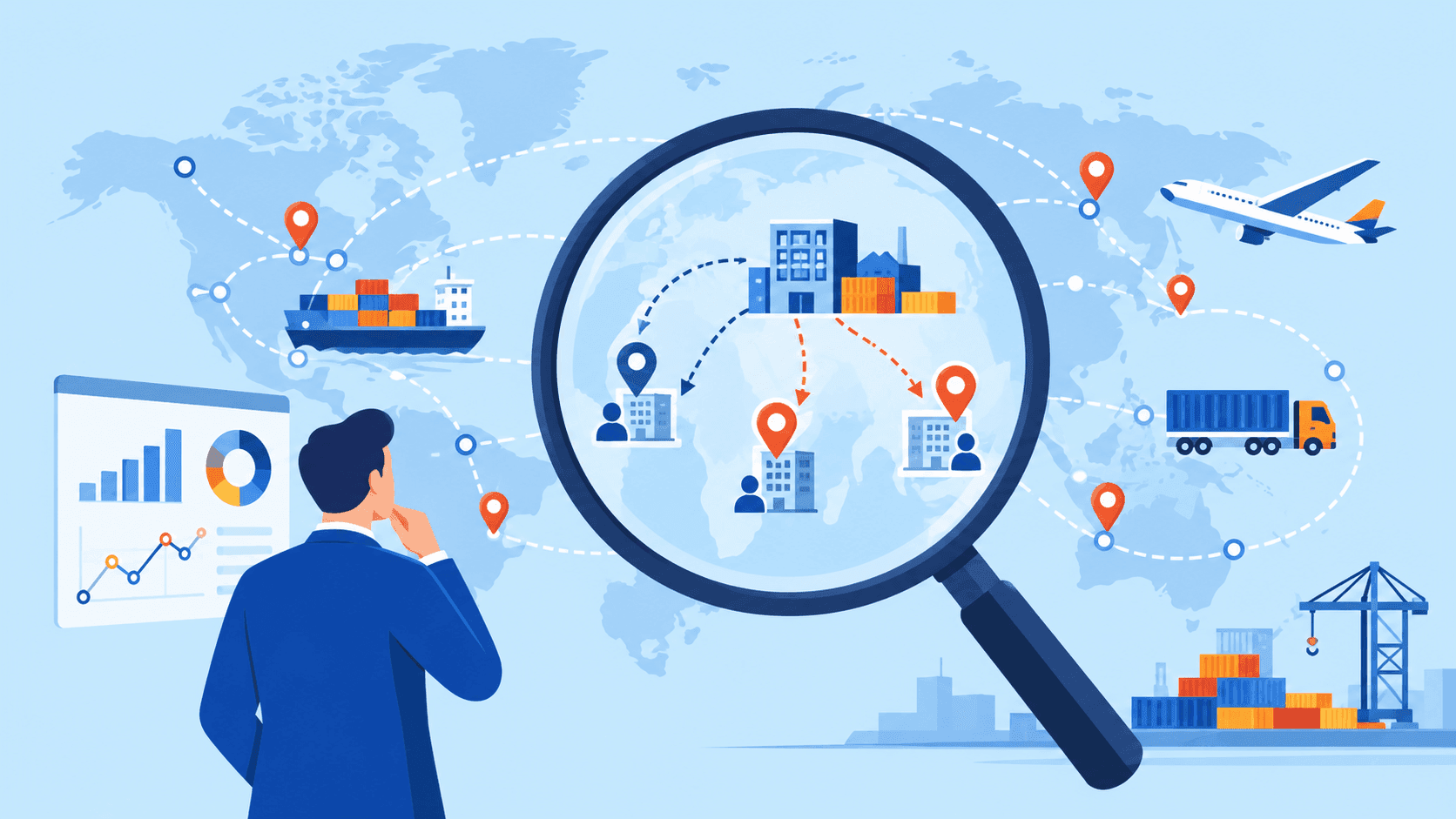
Your competitors may not tell you which markets they are entering, which buyers they are supplying, or where they are gaining new business.
Their international trade records, however, may reveal valuable signals.
Every cross-border shipment creates a record of commercial activity. Depending on the country and available data, these records may include the exporter, importer, product description, HS code, shipment date, quantity, weight, declared value, and country of origin or destination.
By analyzing this information, exporters can build a clearer picture of their competitive environment.
Instead of asking:“Which companies might be buying from my competitors?”
You can investigate:“Which buyers are already purchasing similar products, how active are they, and where might there be an opportunity for us?”
Here is how customs data can support competitor analysis and help you find more relevant B2B prospects.
1. Identify the Buyers Your Competitors Already Supply
A practical starting point is to search for a known competitor by company name.
Customs data may allow you to see which importers are receiving its shipments. These companies can be valuable prospects because their purchasing activity has already demonstrated several things:
- They import products in your category
- They are familiar with working with overseas suppliers
- They understand international shipping and payment processes
- They have real purchasing demand
- Their product requirements may match your supply capabilities
This often makes them more relevant than companies found through a general web search or an unverified business directory.
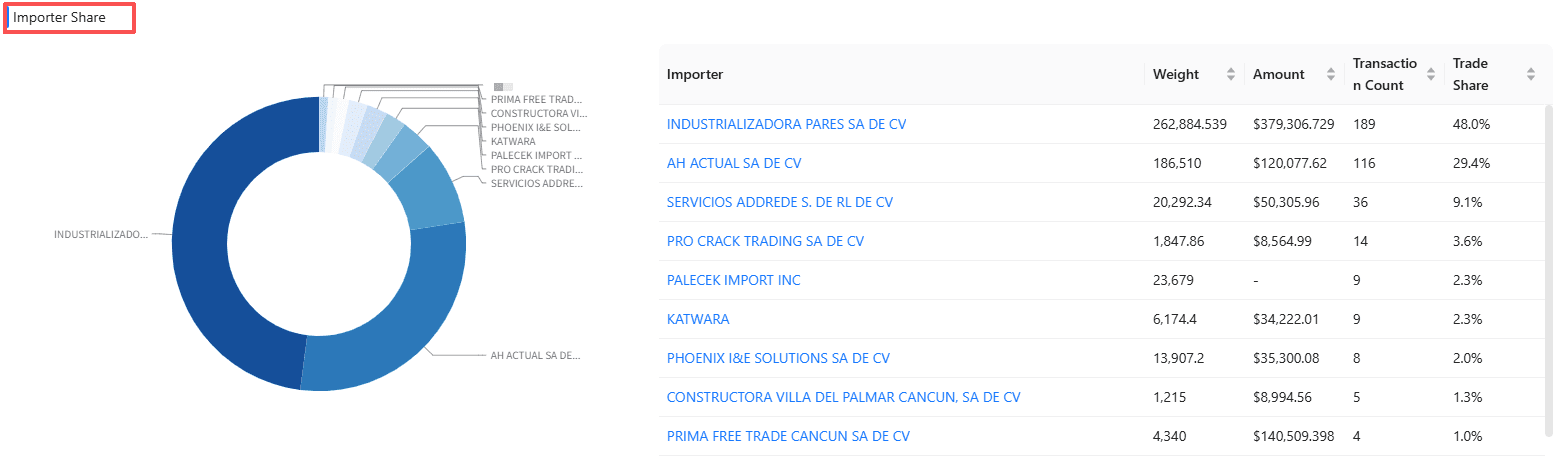
However, discovering a competitor’s buyer does not automatically mean that the buyer is ready to change suppliers. The next step is to understand the relationship.
Look at questions such as:
- How frequently does the buyer purchase?
- How long has it worked with the competitor?
- Does it use one supplier or several?
- Are its shipment volumes increasing or decreasing?
- Does it source from multiple countries?
- Has it recently added a new supplier?
These signals can help you determine whether a buyer deserves immediate attention or should be developed over a longer period.
TradeSaya helps sales teams research buyers through real trade activity and review their products, shipment history, existing suppliers, and sourcing markets in one place.
>>> Get a Free Demo of TradeSaya <<<
2. Analyze Which Products Your Competitors Are Selling
Knowing that a competitor supplies a particular buyer is useful. Knowing exactly what it sells is even more valuable.
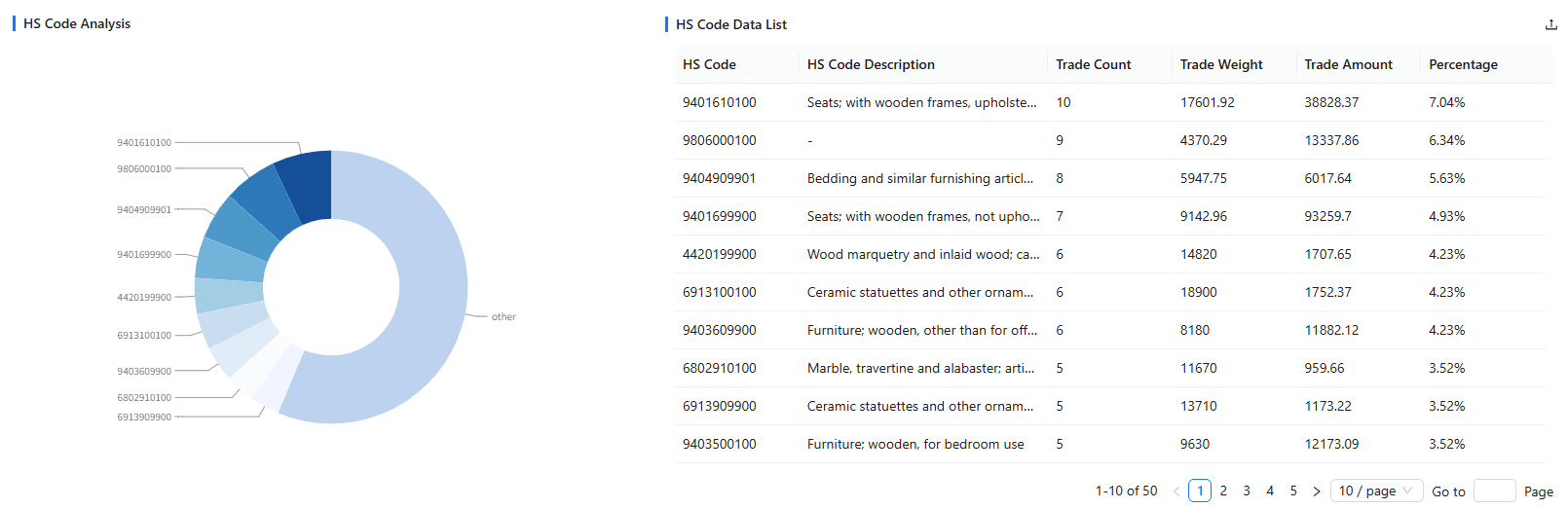
Product descriptions and HS codes in customs records may help you understand:
- Which product categories the buyer purchases
- Whether materials or specifications appear in the declaration
- Shipment quantities and weights
- How frequently each product is ordered
- Whether the buyer is expanding into new product lines
This information can help you evaluate whether your products are genuinely relevant to the buyer’s needs.
For example, two manufacturers may both sell industrial valves. One may specialize in stainless steel valves for food-processing equipment, while the other mainly supplies low-cost valves for general construction.
A buyer purchasing one type may not be a suitable prospect for the other supplier.
Product-level analysis helps you avoid this mistake. It allows you to focus on buyers whose actual purchasing records align with your materials, specifications, production capacity, and market positioning.
The data may also reveal gaps in a competitor’s product offering.
If a buyer purchases several related product categories but your competitor supplies only one of them, you may be able to approach the buyer with a complementary product rather than immediately trying to replace the existing supplier.
3. Track Changes in Competitor–Buyer Relationships
Buyer–supplier relationships are not permanent.
Orders may shift because of price changes, quality problems, delivery delays, capacity limitations, supply chain risks, new product requirements, or a buyer’s decision to diversify its sourcing.
Customs data can help you observe these changes over time.
Possible signals include:
- A competitor’s shipment frequency begins to decline
- The buyer’s purchase volume falls across several periods
- A new supplier appears in the buyer’s trade history
- The buyer begins sourcing the same product from another country
- A long-term supplier disappears from recent records
- The buyer continues importing, but the competitor receives fewer orders
These signals do not prove why a relationship has changed. They do, however, give your sales team a reason to investigate further.
A buyer that is actively adding suppliers may be easier to approach than one that has relied on the same partner for many years.

It is important not to draw conclusions from a single shipment. Look for patterns across multiple records and periods before deciding whether an opportunity deserves attention.
With TradeSaya, exporters can monitor changes in buyer and supplier activity instead of manually checking large numbers of individual shipment records.
>>> Get a Free Demo of TradeSaya <<<
4. Discover the Markets Where Competitors Are Growing
Competitor analysis is not limited to individual buyers. It can also support market selection.
By reviewing the destination countries and ports associated with a competitor’s exports, you can explore questions such as:
- Which markets generate the most shipments?
- Which destinations have shown recent growth?
- Is the competitor entering a new country?
- Are its shipments concentrated in one region?
- Which markets appear to support larger or more frequent orders?
- Where does the competitor face fewer visible suppliers?
Suppose a competitor has significantly increased its shipments to Mexico during the past six months.
That activity does not automatically mean Mexico is the right market for your business, but it is a useful signal.
You can then investigate the wider market:
- Is total import demand increasing?
- How many active importers are purchasing the product?
- Which countries currently supply those buyers?
- What shipment volumes are typical?
- Do your pricing and production capabilities fit the market?
This turns competitor activity into a starting point for more informed market research.
Instead of entering a country simply because it appears attractive in a general market report, you can evaluate it using actual buyer and shipment activity.
5. Find the Decision-Makers Behind Your Competitors’ Buyers
Finding the companies that purchase from your competitors is only the first step.
The next question is:“Who should you contact inside those companies?”
Raw customs records may show the importer’s name, products, shipment history, and suppliers, but they usually do not include the direct contact details of the person responsible for purchasing.
This often forces sales teams to spend additional time searching company websites, LinkedIn, business directories, and other sources.
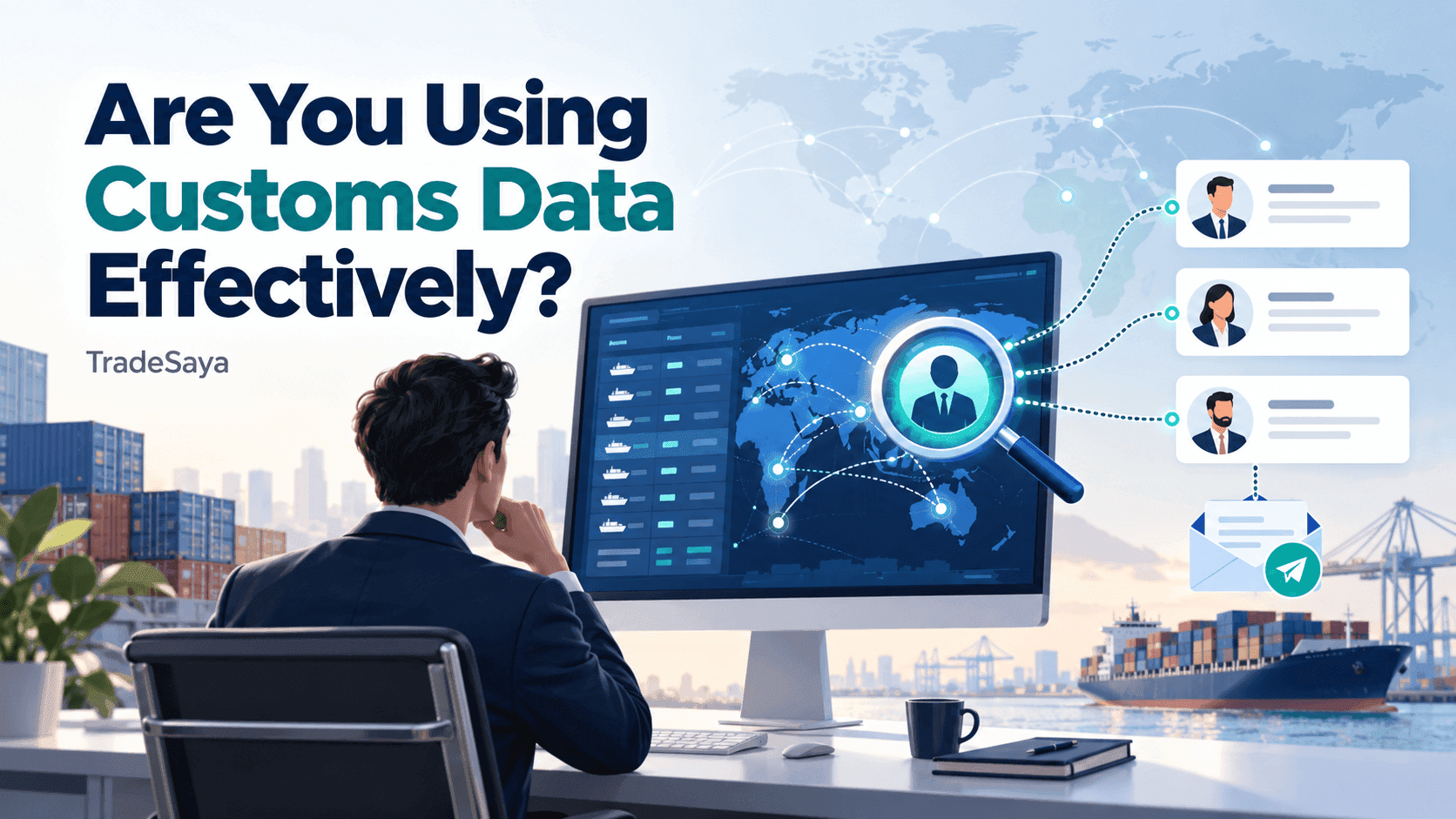
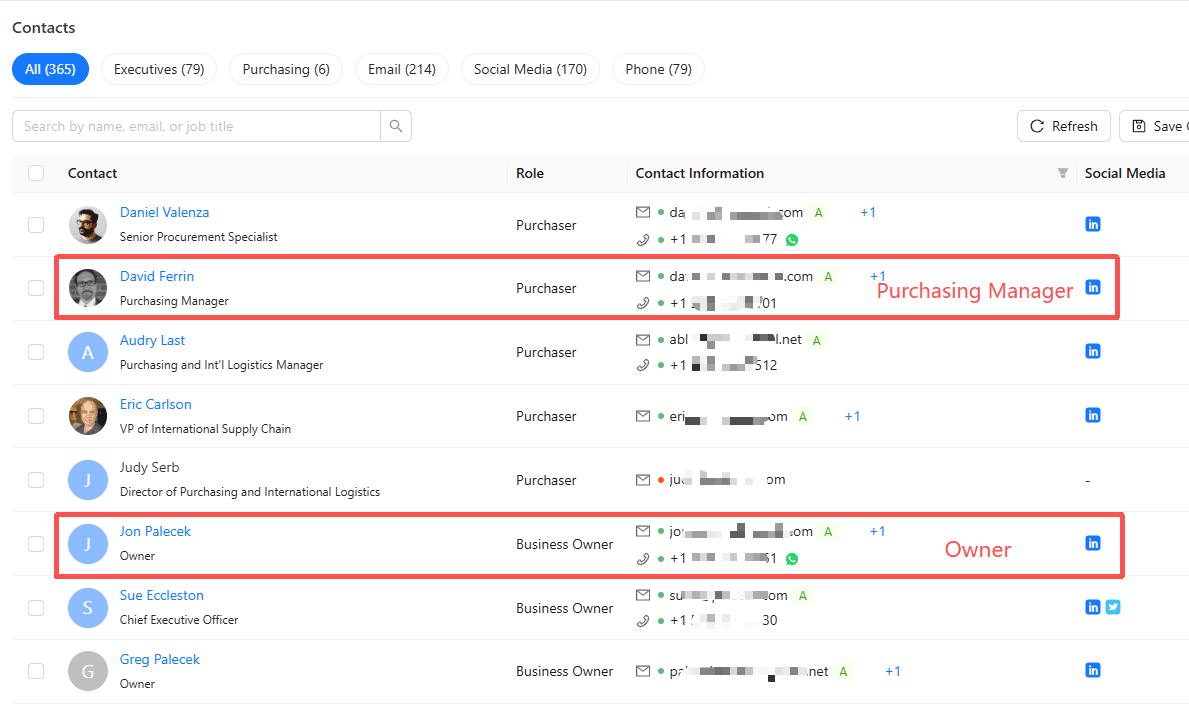
TradeSaya helps bridge this gap by connecting customs data with decision-maker contact information.
After identifying a relevant buyer through a competitor’s trade activity, users can research key contacts such as:
- Purchasing Managers
- Procurement Directors
- Sourcing Managers
- Supply Chain Managers
- Company Owners
- CEOs or Managing Directors
Available business emails, phone numbers, and other contact channels can help sales teams move more efficiently from buyer discovery to direct outreach.
The purchasing information found in customs data can also make the first conversation more relevant.
Before reaching out, you may already understand which products the company imports, how frequently it purchases, where it sources from, and whether it has recently added or changed suppliers.
You can use this background to prepare a message based on the buyer’s actual sourcing activity instead of sending a generic company introduction.
TradeSaya not only helps exporters identify the companies buying from their competitors. It also helps them find the people behind those purchasing decisions.
This creates a more direct path from competitor analysis to qualified B2B outreach.
>>> Get a Free Demo of TradeSaya <<<
Final Thoughts: Turn Competitor Activity into Sales Intelligence
Your competitors generate market signals through their international trade activity every day.
Customs data helps you identify and interpret those signals.
You can use it to discover active buyers, understand product demand, monitor supplier relationships, identify growing markets, and create a more targeted customer acquisition strategy.
The data alone will not win an order. You still need the right product, positioning, timing, and communication.
But it can remove much of the guesswork from B2B prospecting.
Do not simply watch your competitors.
Use the market activity around them to find your next opportunity.