Free vs. Paid Customs Data: What’s the Difference? - TradeSaya
If you have ever searched for customs data online, you have likely found free sources. Government portals, limited trial databases, and sample lists all promise access to import-export records without cost. At first glance, that seems like a great deal. Why pay for something when a free version exists?
The answer is simple: free customs data and paid trade data platforms are not the same product. They differ in coverage, freshness, depth, usability, and actionable value. Understanding these differences is critical if you want to turn trade data into actual export sales rather than just a spreadsheet of names. This article breaks down what separates free from paid customs data, and why serious B2B sales teams invest in a platform like TradeSaya.
Coverage: Free Data Shows a Slice, Paid Data Shows the Full Picture
Free trade data typically comes from government or international sources such as UN Comtrade (comtrade.un.org), ITC Trade Map (trademap.org), OEC (oec.world), World Bank WITS (wits.worldbank.org), USA Trade Online (usatrade.census.gov), or Eurostat Comext (ec.europa.eu/eurostat). These platforms provide valuable aggregated trade statistics, often used for macroeconomic analysis or market overview. However, they usually cover only certain countries or regions, and the data is often aggregated rather than shipment-level. For example, USA Trade Online focuses on US data, Eurostat Comext covers EU trade, while UN Comtrade and WITS offer global but aggregated views. If you are trying to find specific active importers in Brazil, Vietnam, or Germany, these free tools may not provide the granular buyer-level detail you need.
Paid customs data platforms aggregate records from multiple countries into one searchable database. They cover major trading nations and often include bilateral shipment data between countries. This gives you a global view of supply chains, not just one link in the chain.
For B2B lead generation, coverage matters. Your buyers may be importing from China, sourcing from India, or re-exporting from the United Arab Emirates. Without multi-country coverage, you miss opportunities. TradeSaya integrates customs data from major trade regions, allowing you to search importers and exporters across borders in one place.
Freshness: Free Data Is Often Outdated, Paid Data Is Current
Trade data loses value quickly. A shipment record from two years ago tells you little about a buyer’s current sourcing behavior. Free customs data is usually updated infrequently. Some sources provide data with a six-month or one-year delay. In a fast-moving market, that lag makes the information nearly useless for sales outreach.
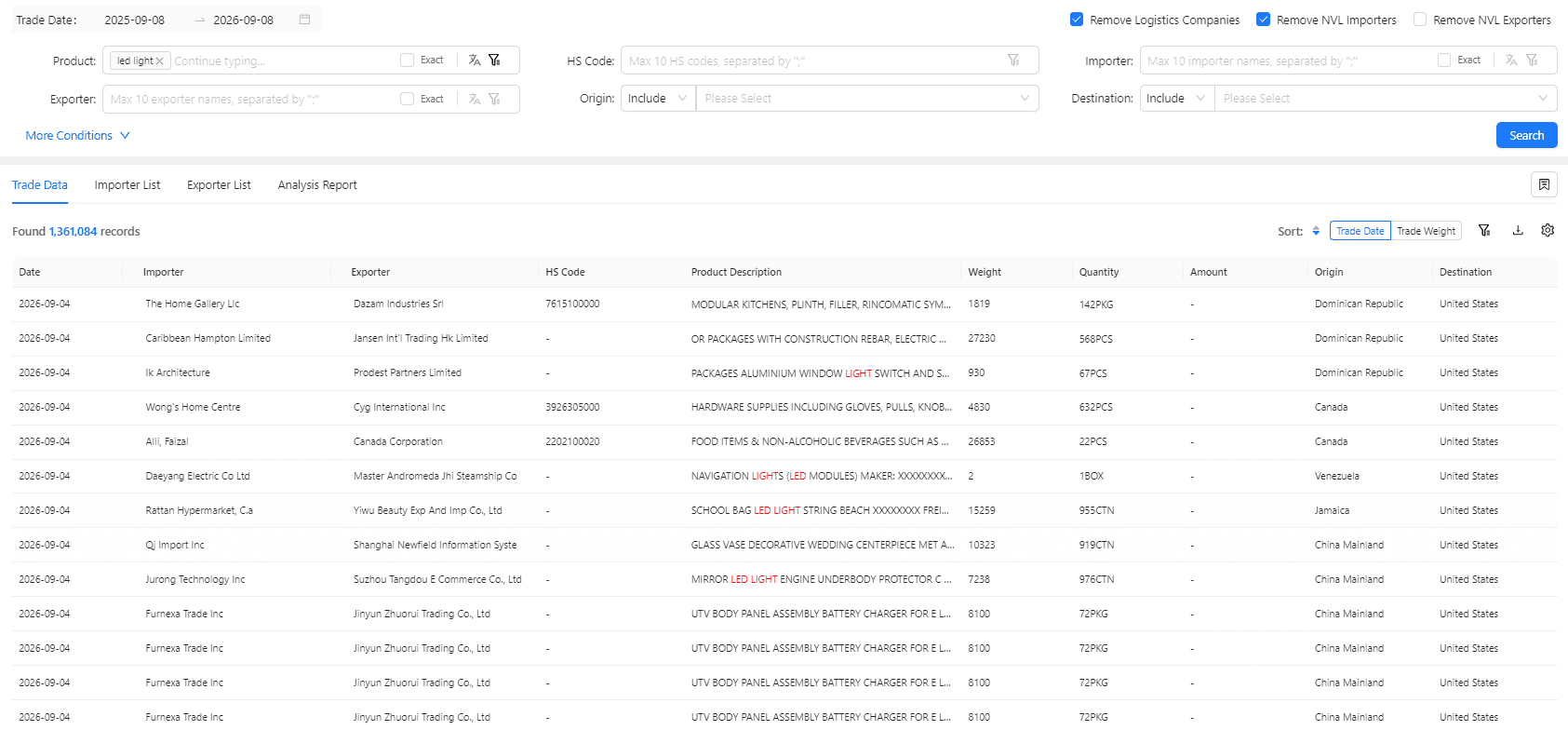
Paid platforms prioritize data freshness. They update shipment records regularly, often within weeks or even days of filing. This allows you to see recent purchase activity and act on it before your competitors do. If a buyer just switched suppliers, you want to know now, not six months later.
>>> Get a Free Demo of TradeSaya <<<
TradeSaya maintains updated customs data and shipment records, so you can track the latest buyer and supplier movements and time your outreach accordingly.
Depth: Free Data Gives You Names, Paid Data Gives You Context
Free customs data may provide importer names and shipment dates, but it rarely includes the full context you need for sales. You may see a company imported a product, but you won’t know their purchase frequency, volume trends, supplier relationships, or contact information. You end up manually cross-referencing with Google and LinkedIn, which eats hours of time.
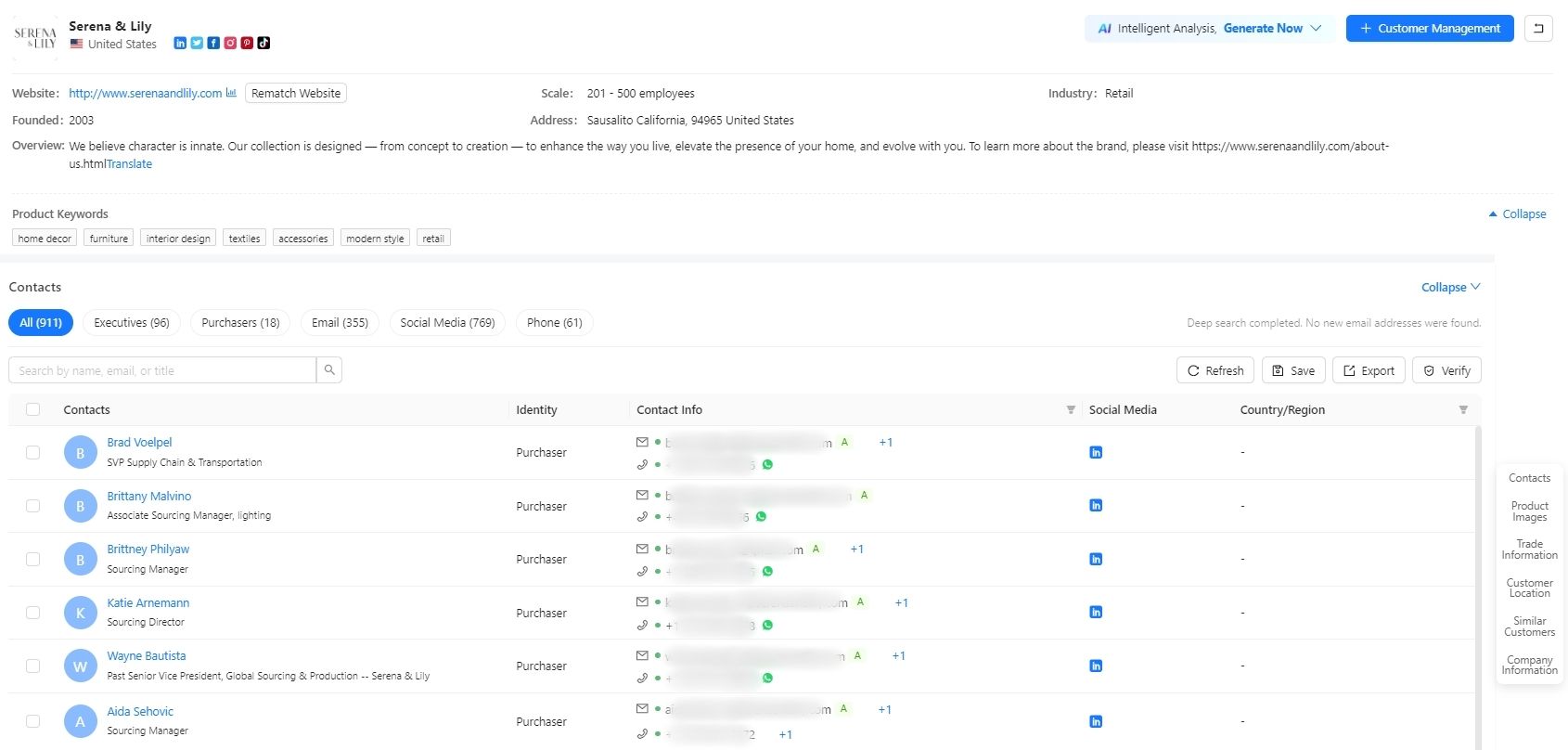
Paid trade data platforms enrich raw shipment records with additional layers of information. They link company profiles, historical activity, supplier networks, and direct contacts to each buyer. This turns a raw data point into a complete buyer profile that your sales team can act on immediately.
>>> Get a Free Demo of TradeSaya <<<
TradeSaya goes further by combining customs data with verified company contact details, including emails and phone numbers for key decision-makers. This eliminates the manual work of finding who to contact after you identify a buyer.
Actionability: Free Data Is Static, Paid Data Is a Sales Workflow
The biggest difference between free and paid customs data is actionability. A free spreadsheet of importers is just information. Without filters, analysis tools, and contact integration, you still have to do the heavy lifting yourself. You need to clean the data, sort it, build lists, and find contacts—all before you can start selling.
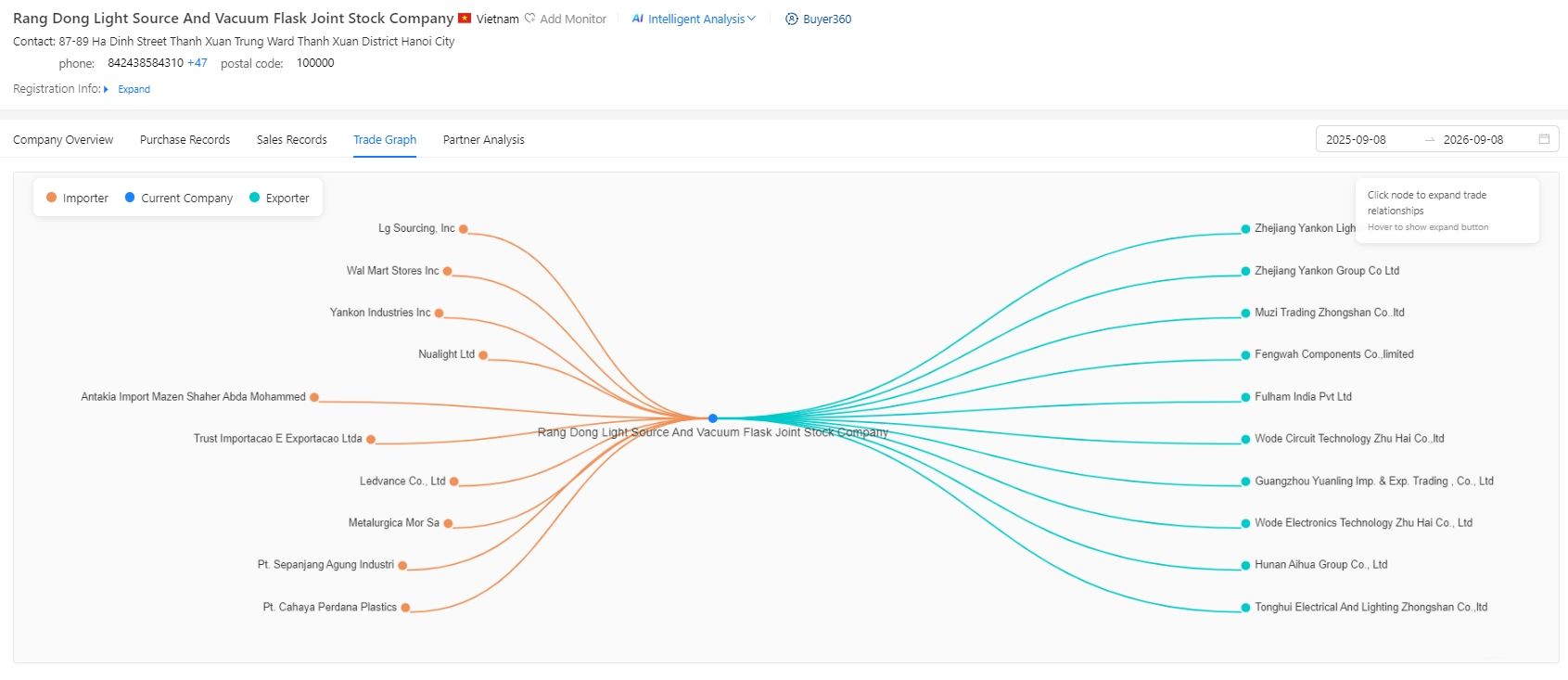
Paid platforms are designed as workflows. They let you search, filter, analyze, and contact buyers within one interface. You can set criteria for product match, volume thresholds, supplier structure, and destination country. The platform returns a shortlist of qualified buyers with direct contact options. This reduces the time from data discovery to sales conversation from days to minutes.
>>> Get a Free Demo of TradeSaya <<<
TradeSaya is built specifically for export sales teams. It includes buyer analysis dashboards, supplier relationship graphs, competitor monitoring, and direct contact panels. Instead of asking “What do I do with this data?” you have a clear path from search to outreach.
Cost: Free Data Has Hidden Costs, Paid Data Delivers ROI
Free customs data may save you money upfront, but it costs you in time and missed opportunities. The hours spent cleaning outdated records, cross-referencing contacts, and chasing dead leads could be spent closing deals. A paid trade data platform is an investment that pays for itself when it helps you land even one or two additional buyers.
The real question is not whether you can afford paid customs data. It is whether you can afford to keep wasting time on free data that does not convert. For B2B sales teams that rely on a steady pipeline of global buyers, the answer is usually clear.
TradeSaya is positioned as a revenue engine for exporters. It turns trade statistics into a direct path to verified buyers, reducing acquisition costs and improving conversion rates. If your goal is real revenue, not just data collection, a paid platform is the practical choice.
Conclusion: Choose Based on Your Sales Goals
Free customs data can be useful for casual research or one-off checks. But if your goal is to build a scalable export sales pipeline, you need depth, freshness, coverage, and actionability—qualities that only paid trade data platforms provide.
TradeSaya offers all of these in a single interface designed for B2B lead generation. Stop settling for slices of data. Get the full picture and turn it into revenue.