How to Verify Export Inquiries with Customs Data-TradeSaya
When an overseas inquiry arrives, checking the buyer’s background is an important step before preparing a quotation and moving the conversation forward. A company website, email address, and inquiry details provide basic information. Customs data adds evidence of actual trade activity, helping you check whether the company’s purchasing history is consistent with the inquiry.
You can approach this research from four angles: products, purchasing activity, purchasing scale, and company identity.
1. Review Product Records to Check the Buyer’s Business Background
Start by checking whether the company has imported products related to the inquiry.
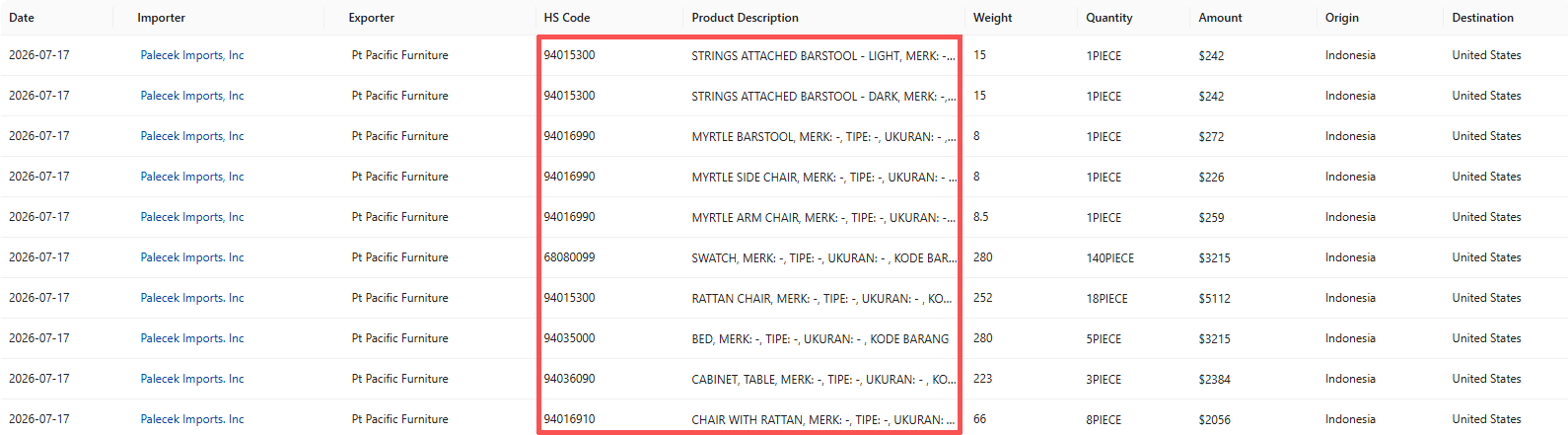
After searching for the company in TradeSaya, you can review available product descriptions, HS codes, and historical trade records to understand what it has imported.
If the company regularly imports products related to the inquiry, those records support its stated purchasing background. If its historical imports differ significantly from the requested products, ask whether the inquiry involves a new product line, business expansion, or purchasing on behalf of another company.
2. Review Recent and Recurring Imports
A historical import record and a pattern of recent purchases provide different information about a company’s business activity.
Expand the date range and review:
- The date of the most recent relevant import.
- Whether related products appear across multiple periods.
- Whether recent activity differs noticeably from previous patterns.
Recent, recurring records support the view that the company remains active in the product category. If the records are concentrated in earlier years, confirm whether it still handles those products and whether the inquiry concerns a repeat purchase or a new project.
Also check when the data was last updated, so that reporting delays are not mistaken for a stop in purchasing.
3. Compare Purchasing Scale with the Inquiry Quantity
The quantity stated in an inquiry is an important detail to clarify. Review historical quantities, weights, and shipment frequency for relevant products, then compare them with the current request.
Make sure the products and units are comparable, and distinguish between the following:
- One shipment does not necessarily correspond to one order.
- A single shipment does not represent the company’s total purchases.
- An annual purchasing forecast is not the same as an initial order quantity.
If the requested quantity is significantly larger than the scale visible in historical records, ask what it represents:
“Is this quantity intended for the initial order or your estimated annual requirements? Would delivery be split into several shipments?”
Also request product specifications, the expected delivery schedule, and the intended use. Together, these details help establish whether the inquiry is supported by a defined purchasing plan.
4. Verify the Company and Contact Behind the Inquiry
Trade records show company activity. You still need to confirm that the records belong to the company in the inquiry and that the sender represents that business.
Cross-check the company name, country, and available address information. Where brand names, legal entities, or affiliated companies differ, establish the relationship between them to avoid relying on another company’s records.
Then check the contact:
- Does the sender’s email domain match the company’s website?
- Do public sources support the person’s name, role, and company affiliation?
- Do the address and telephone number in the signature match the company’s details?
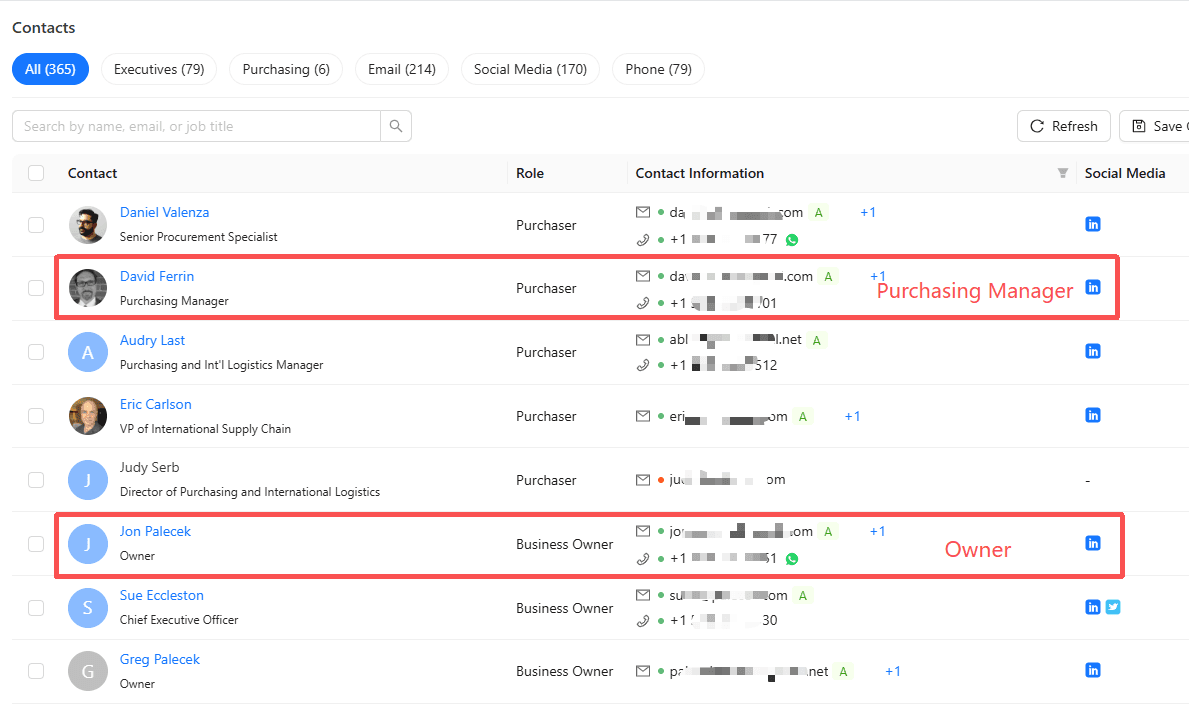
Available company and contact information in TradeSaya can provide additional reference points. If details do not match, use contact information published on the company’s official website to independently confirm the person and the purchasing request. Do not rely solely on the phone numbers or links included in the inquiry.
Use Follow-Up Communication to Complete the Checks
Customs data helps you examine the purchasing background. Follow-up communication helps clarify the current request.
Pay attention to whether the buyer is willing to explain the intended use, provide specifications, clarify quantities and delivery dates, and confirm the contact’s identity. Specific answers and consistent information can help you assess whether the inquiry is credible.
If the sender repeatedly avoids these questions while pressing for quotations or samples, confirm the contact and purchasing request through the company’s official channels before proceeding.
To explore the historical purchasing records of a company behind an inquiry, try TradeSaya and add actual trade data to your buyer background checks.