How to Approach Buyers Who Already Have Suppliers: 3 Things to Look for in Customs Data-TradeSaya

“Thank you, but we already have suppliers.”
For export sales professionals, this is a familiar response.
The buyer imports products you manufacture, and your company has the production capacity and export experience to serve them. Yet the conversation stalls because the buyer has no apparent reason to consider another supplier.
Repeating claims about competitive prices and reliable quality rarely moves things forward.
A more useful starting point is to understand how the buyer currently sources your product category. Does it purchase from several suppliers? Do those suppliers serve different product needs? Has it added new suppliers while maintaining existing relationships?
Historical customs records can help you investigate these questions and prepare a more specific proposal.
1. Check Whether the Buyer Uses Multiple Suppliers for Your Product Category
“We already have suppliers” does not necessarily mean that one company handles all of the buyer’s purchases.
Some importers rely heavily on one supplier. Others regularly purchase similar products from several companies. These sourcing arrangements call for different approaches.
When reviewing a buyer’s historical trade records in TradeSaya, consider:
- How many suppliers appear for the relevant product category?
- Which suppliers ship consistently, and which appear only occasionally?
- How do shipment sizes and frequency differ between suppliers?
- Have any recently appearing suppliers started shipping regularly?
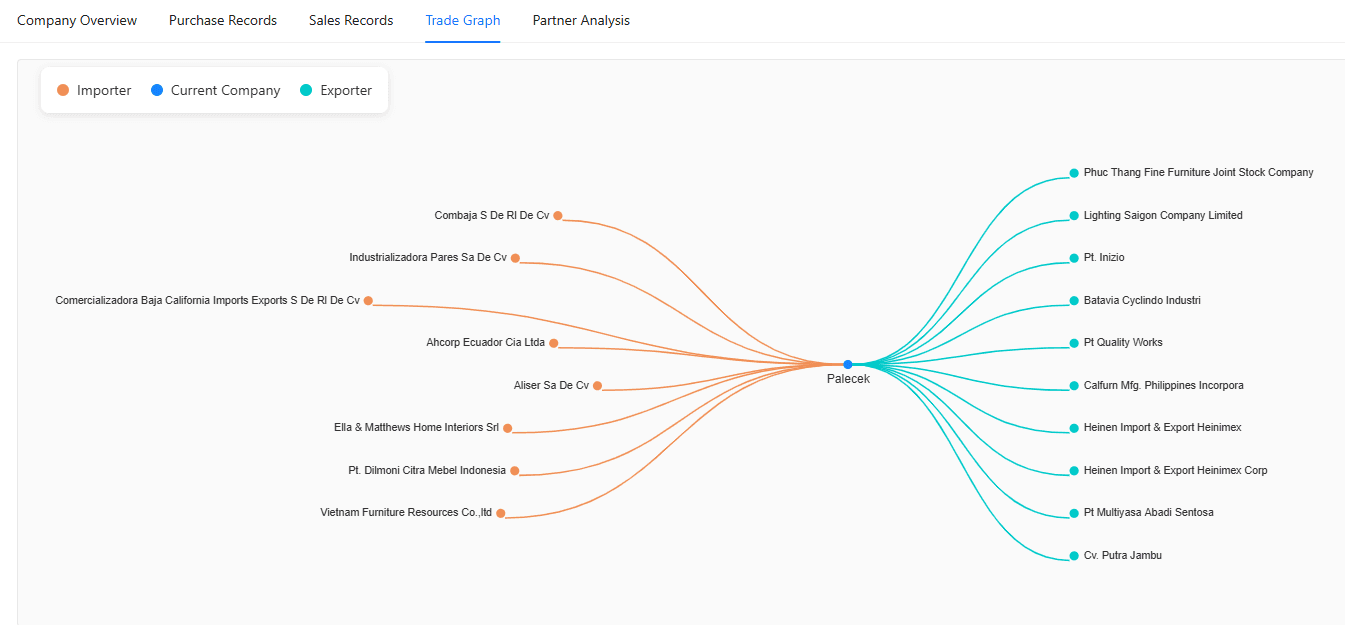
Keep the analysis focused on products relevant to your business. A buyer that purchases ten product categories from twenty suppliers may still rely on a single supplier for the category you sell.
Suppose you manufacture stainless steel insulated bottles. You find that a buyer has regularly imported similar products from three suppliers over the past year. One accounts for a larger share of recorded shipments, while the other two also ship consistently.
This suggests that the buyer already uses multiple sources for that category. Your next task is to investigate where your capabilities might fit within that arrangement.
If you offer flexible minimum order quantities, you could introduce an option for testing new designs. If dependable delivery is your strength, you could ask whether the buyer needs an additional source for backup supply.
2. Compare What Each Supplier Provides to Find a Specific Product Entry Point
Established suppliers may serve different parts of a buyer’s product range.
Looking only at total purchasing volume tells you little about which products to introduce. Comparing products across suppliers can help you prepare a more relevant offer.
Where the available records contain sufficient detail, review product descriptions, materials, models, and specifications. Look for answers to questions such as:
- Do different suppliers provide different types of products?
- Does a particular supplier consistently serve one product category?
- Do the buyer’s records include products you specialize in?
- How closely do the recorded products match what you can supply?
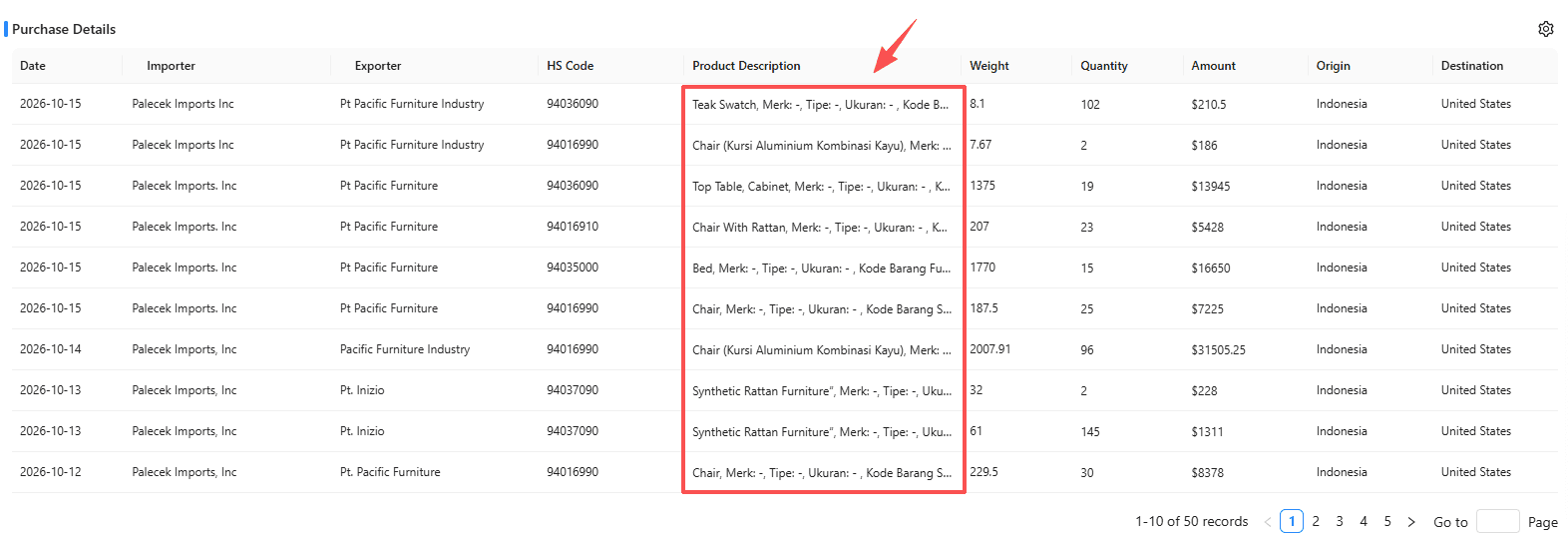
For example, a kitchenware importer may have several long-term suppliers. Its records show that some mainly ship stainless steel cookware, while others supply silicone kitchen tools.
If your specialty is silicone baking molds, sending a broad kitchenware catalog gives the buyer unnecessary work. A more useful approach is to prepare a focused selection of baking molds, explain your available sizes, materials, packaging, and customization options, and ask whether the buyer has relevant sourcing plans.
Your message becomes specific: you can supply a defined product range and explain how the buyer could evaluate it.
Customs descriptions can be broad or incomplete. Treat them as research clues for selecting products and preparing questions. Detailed requirements still need to be confirmed with the buyer.
3. Track Whether Newly Appearing Suppliers Continue Shipping
Another useful question is whether the buyer has added suppliers in the past—and whether those suppliers continued shipping.
Following changes over time provides more context than simply counting supplier names.
Review:
- When a supplier first appears in the available records.
- Whether additional shipments follow its first recorded shipment.
- Whether subsequent shipments involve the same product category.
- Whether recorded shipment volumes grow or remain relatively small.
- Whether the buyer’s established suppliers continue shipping.
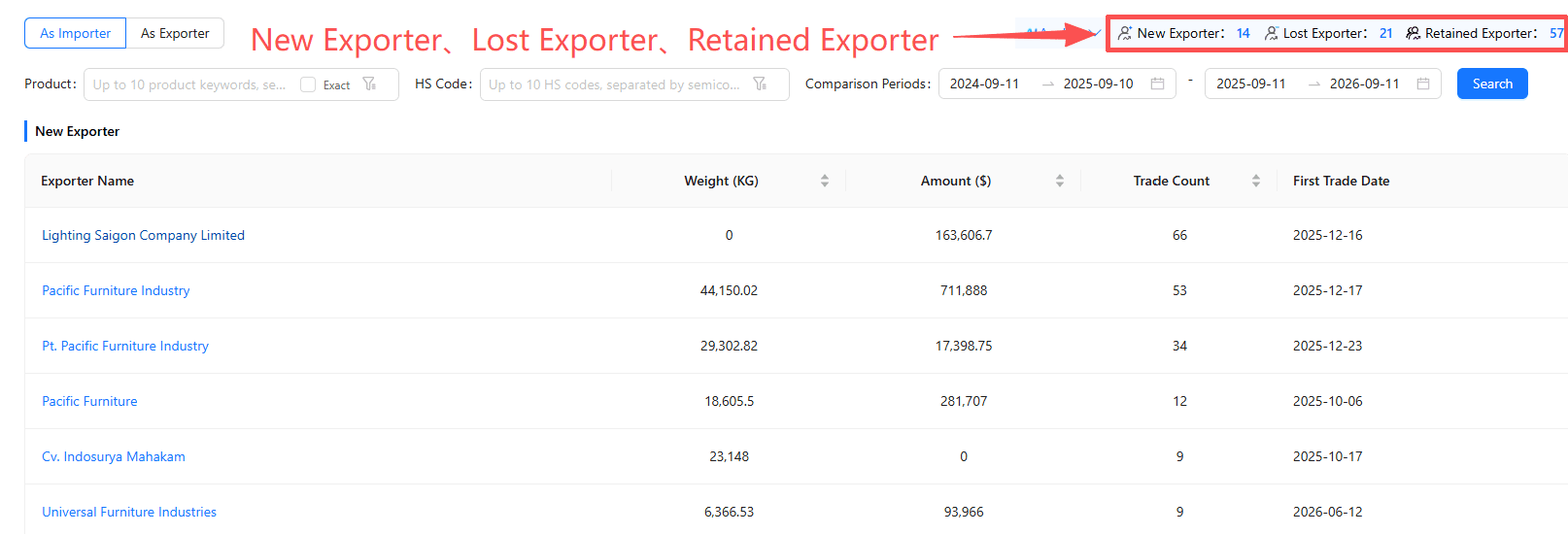
Suppose a buyer has consistently purchased from two suppliers. A third supplier later appears with a relatively small shipment, followed by further shipments over the next several months. The original two suppliers continue supplying the buyer.
Within the period covered by the records, the buyer appears to have added another source while maintaining its existing relationships.
This can help you set a more practical initial objective. You might introduce one product, propose a limited evaluation, or explore a supplementary requirement that gives the buyer a manageable starting point.
The records alone cannot explain why the supplier was added. The change may relate to product differences, capacity needs, or developments in the buyer’s business. Data coverage and company-name variations can also affect what appears in a search.
A small shipment should therefore not automatically be described as a trial order, nor should a new supplier’s appearance be treated as evidence of problems with existing suppliers.
Turn Your Research into a Specific Proposal
After reviewing the data, decide what you want to propose.
A focused approach should make three things clear:
1. Which product you would like the buyer to evaluate.
2. What relevant advantage you can offer.
3. How the buyer can begin that evaluation.
For example, if the buyer uses several suppliers in a relevant category and your strength is small-batch customization, your follow-up could say:
“Thank you for letting me know. We manufacture silicone baking molds and support small-batch custom colors and retail packaging. If you plan to test new designs, I can send a short selection with the available minimum order quantities for your review. Are you the right person to contact about this category?”
This gives the buyer a concrete offer and a straightforward question to answer.
Using customs data to prepare your approach does not mean listing the buyer’s shipment history in your email. Its value lies in helping you select relevant products and propose a suitable way to start working together.
Research the Buyer’s Supplier Relationships with TradeSaya
An established supplier relationship is part of the situation you need to understand when approaching an overseas buyer.
With the available buyer trade records in TradeSaya, you can investigate three useful areas: whether the buyer uses multiple suppliers for your category, what those suppliers provide, and whether newly appearing suppliers continue shipping.
These observations help you prepare for a more productive conversation. Before contacting the buyer again, use them to decide which product to introduce, which capability to highlight, and what first step to suggest.