How to Validate Trade Show Leads with Customs Data Before Following Up-TradeSaya

A trade show can leave your sales team with hundreds of business cards. The problem is that a conversation at a booth does not confirm that the company imports your product, is still buying it, or has requirements that match what you can supply.
TradeSaya helps fill those gaps with actual trade activity. After the event, you can use the company name, product, HS code, market, and time period to verify each lead before deciding who should receive immediate attention.
Start with the correct company
Standardize the lead list before searching. Record the company name, website, country, contact, job title, product discussed, and promised next step. Check whether the name on the business cardis a brand, subsidiary, parent company, or legal entity. Customs records may use a different version of the name.
Search the confirmed company in TradeSaya and compare its address, website, business description, and related entities. This prevents a salesperson from researching the wrong company or treating a freight forwarder and an end buyer as the same type of lead.
Confirm real purchasing activity in TradeSaya
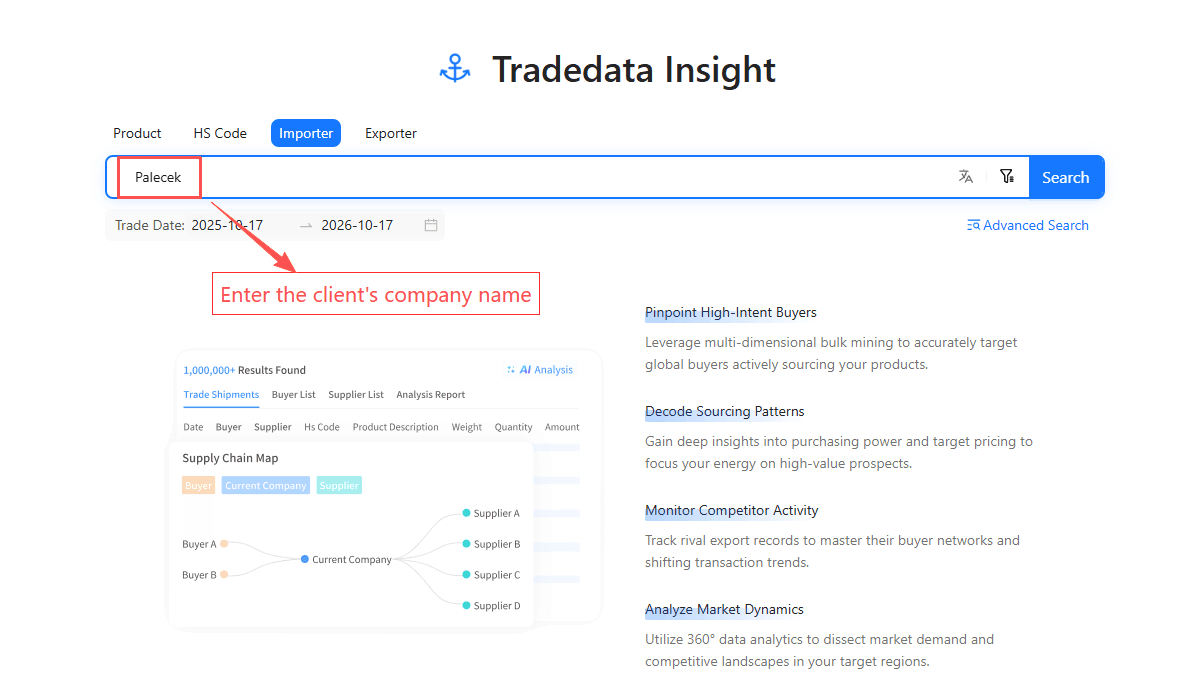
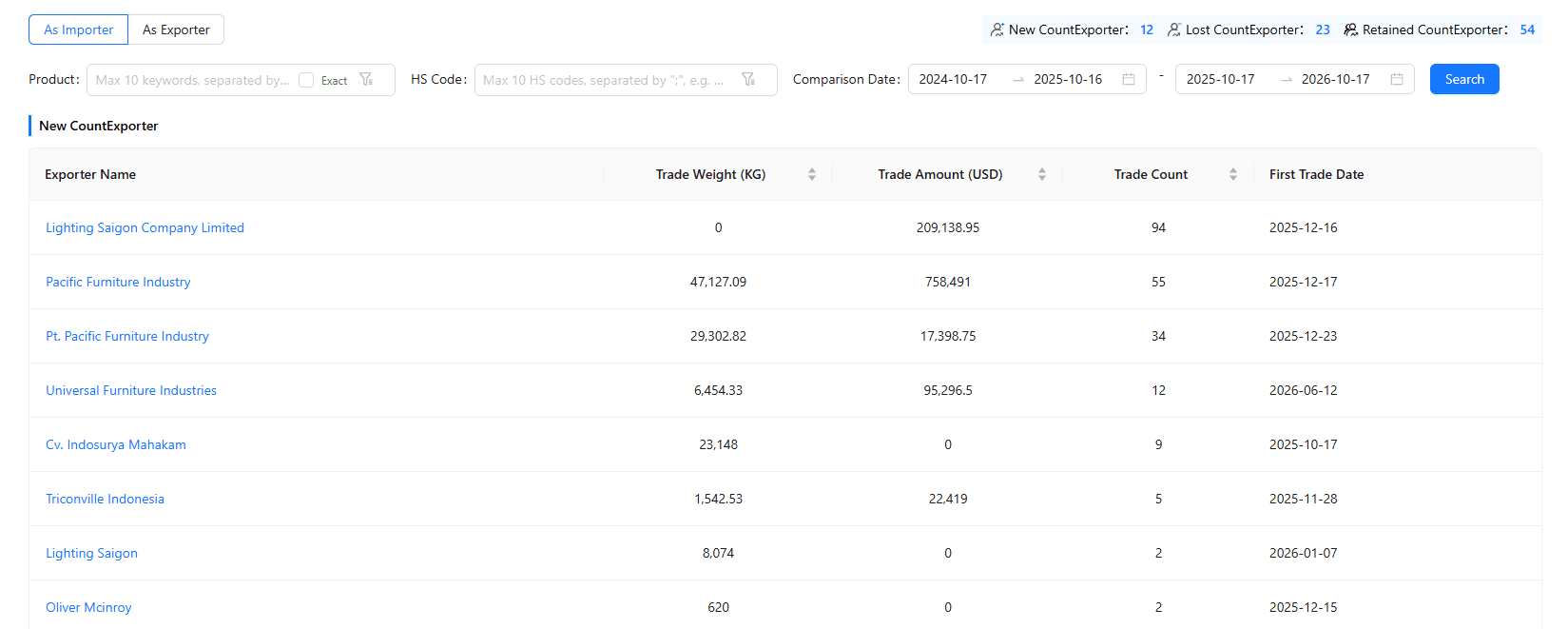
Use TradeSaya Insight to search the company and review the products it imports. Start with the product discussed at the show, then check relevant keywords, alternative product names, materials, specifications, and HS codes. A broad industry match is not enough. A company may operate in your sector without buying the product you offered.
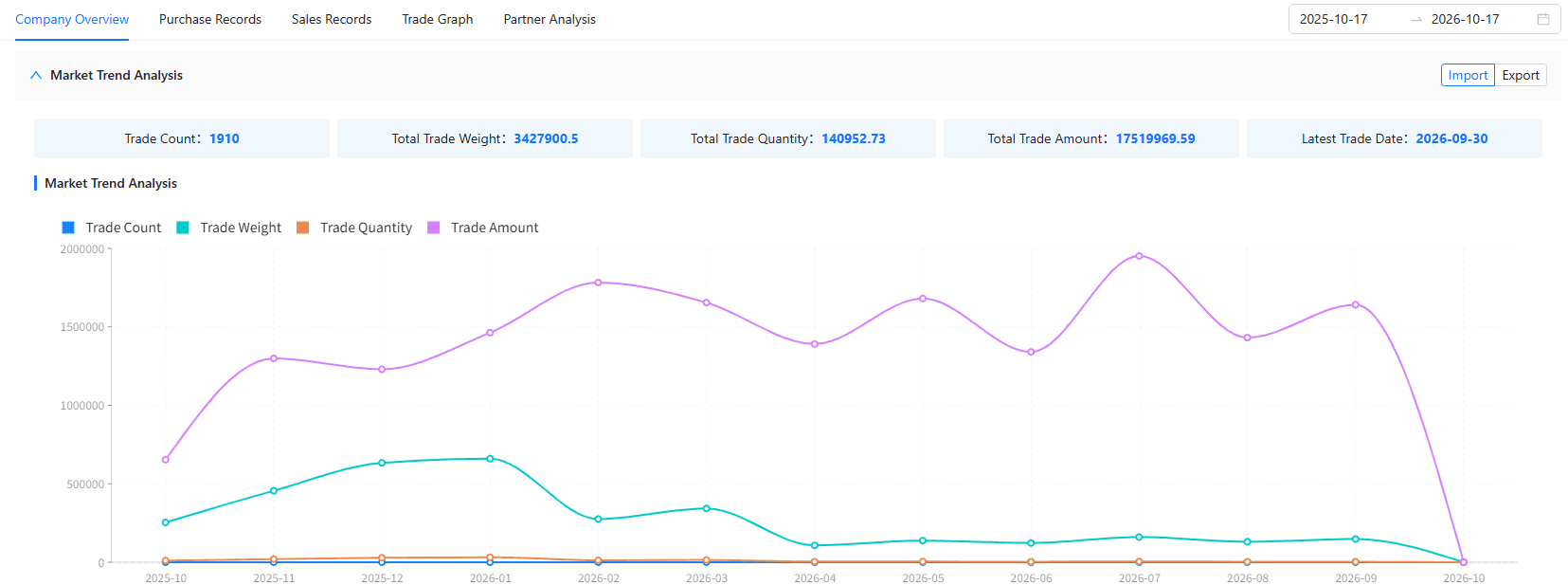
Next, look at the latest transaction date and the pattern over time. A company that imported the product recently and repeatedly should normally receive more attention than one with a single old shipment. For seasonal or project-based products, compare the lead with its own historical cycle rather than expecting monthly activity.
If no relevant record appears, keep the result as unconfirmed. The company may import through an affiliate, buy from a domestic distributor, or operate in a market where company-level records are limited. Use the next conversation to clarify how it sources the product.
Decide whether the lead fits your business
A real importer can still be a poor prospect. In TradeSaya, review the available shipment quantities, weights, values, product descriptions, sourcing countries, and supplier relationships. Compare that profile with your minimum order quantity, production capacity, price position, certifications, customization options, and lead time.
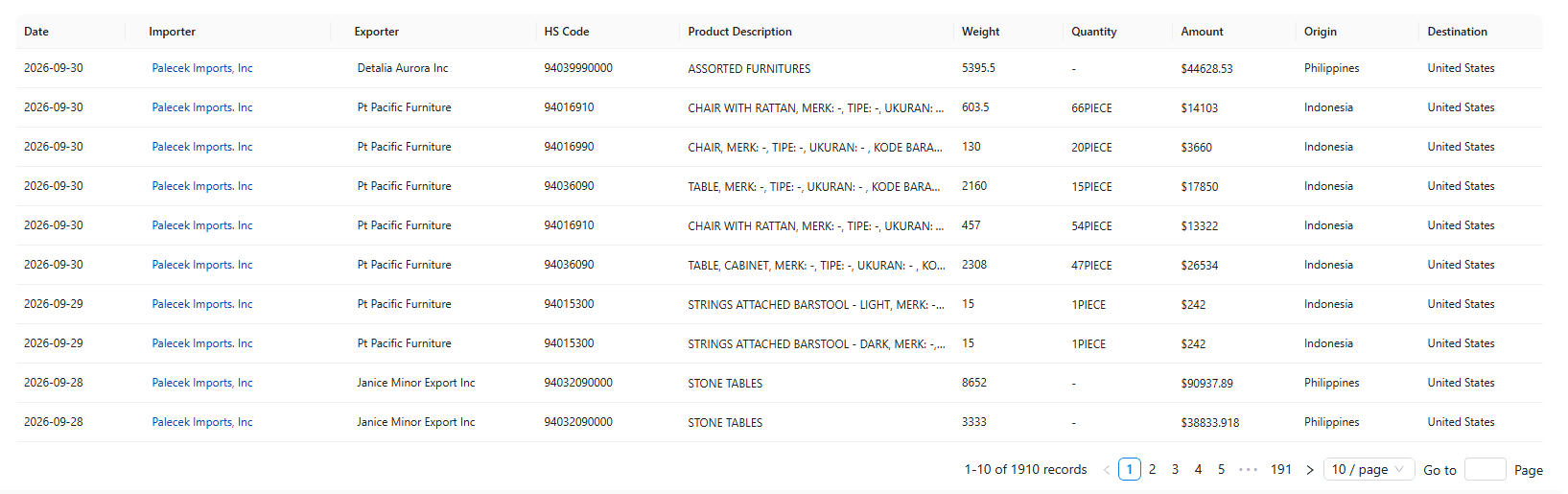
Supplier structure also affects the sales approach. A buyer that has worked with one supplier for years may require a longer qualification process. A buyer that uses several suppliers may be more open to an additional source. If its sourcing countries or supplier mix are changing, you can investigate whether your delivery, specialization, capacity, or certification addresses a current need.
Set a clear follow up priority
Place each contact into one of three working groups. Keep the rules simple so the sales team can act quickly.
- Priority A includes companies with a strong product match, recent and repeated imports, suitable order sizes, and a useful conversation at the show. Contact them first with a personalized next step.
- Priority B includes companies that appear relevant but still have an unclear buying cycle, product fit, or contact role. Ask one focused qualification question instead of sending a full proposal.
- Priority C includes companies with no recent relevant activity, a poor order match, or an uncertain identity. Add them to a longer-term nurture list or wait for a new trade signal.
Find the real decision maker
The person who stopped at your booth may be an engineer, sales representative, distributor, or junior employee rather than the person who approves suppliers.
After TradeSaya customs data confirms that the company buys your product, use TradeSaya Buyer360 to look for the role that actually owns the purchase. Depending on the company, this may be a procurement or sourcing manager, supply chain lead, category manager, owner, or general manager. Review the available name, job title, business email, phone number, or WhatsApp details, and select contacts whose responsibilities match your product category or international sourcing.
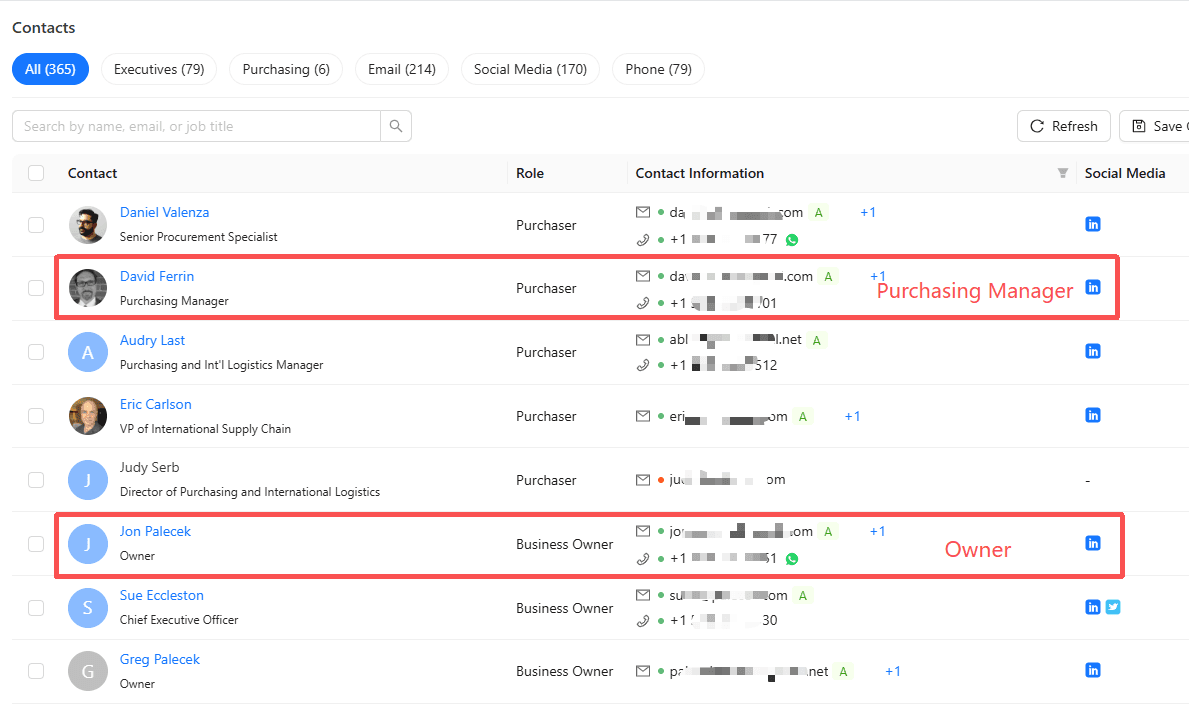
The goal is not to collect more names; it is to reach the person who can evaluate the offer and move it forward. If the exhibition contact is relevant, ask them to introduce you rather than bypassing them.
Record the verified company, target decision maker, contact details, research notes, owner, and next action in TradeSaya CRM+. This connects buyer validation, contact discovery, and follow-up in one workflow.
Use the data to improve the message
The first follow-up should begin with the conversation at the exhibition. Mention the product or requirement discussed, connect it to one capability, and propose one next step. The research in TradeSaya should help you choose what to say, but the email should not list the buyer's suppliers or shipment history.
For example, a buyer with recurring imports may be asked whether it is reviewing supply options for its next purchasing cycle. If its records show several product specifications, send information about the closest match. If it buys from several countries, explain a relevant advantage in lead time, certification, customization, or backup capacity.
A useful message is short: remind the buyer where you met, show that you understood the requirement, provide one relevant piece of information, and ask for a specific response such as confirming specifications or arranging a brief call.
Keep customs data in perspective
Customs data does not show every transaction or explain a buyer's private decisions. Coverage varies by country, company names can differ, and values or quantities may require interpretation. It also cannot confirm budget, payment reliability, decision authority, or satisfaction with current suppliers.
Use TradeSaya to decide which leads deserve attention and which questions to ask. Confirm the final opportunity through company research and direct communication.
Turn the exhibition list into a sales pipeline
The number of contacts collected at a trade show matters less than the quality of the follow-up. TradeSaya connects the booth conversation with purchasing evidence, buyer contacts, and sales activity. That allows exporters to contact stronger prospects first and give each salesperson a clear reason to continue the conversation.
Want to find the trade show leads that are actively buying
Request a free TradeSaya demo and validate your post-event lead list with real trade activity.