How Customs Data Helps Exporters Find Real Buyers?-Tradesaya
Finding company names is easy. Finding companies that are genuinely interested in buying your products is much harder.
Exporters can collect potential customer information from search engines, trade shows, business directories, social media, and B2B platforms. However, these sources usually cannot tell you whether a company is actively importing your product.
As a result, sales teams often spend significant time contacting businesses that may operate in the right industry but have no current purchasing demand.
Customs Data Reveals Real Purchasing Activity
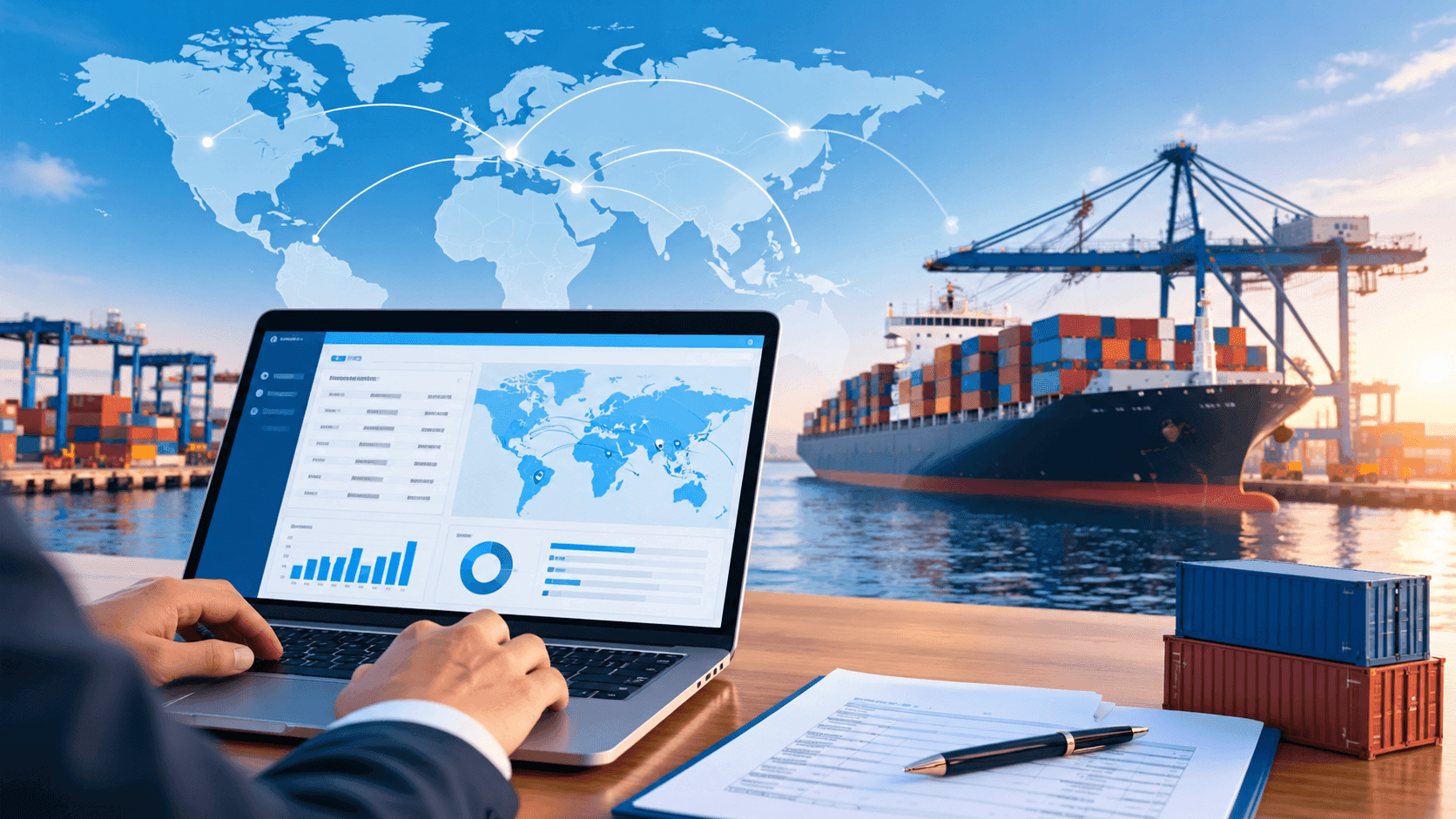
Customs data records actual international trade activity. Depending on the available information, it may show what a company imports, when it purchases, how frequently it buys, which suppliers it works with, and where its products come from.
This helps exporters move beyond assumptions. Instead of asking whether a company might need a product, they can focus on businesses that have already demonstrated relevant purchasing activity.
However, raw customs records are often fragmented and difficult to convert into useful sales leads. TradeSaya organizes global trade data into searchable buyer intelligence, helping exporters find, evaluate, and contact potential customers more efficiently.
How TradeSaya Helps Exporters Find Real Buyers
1.Search for Importers by Product or HS Code
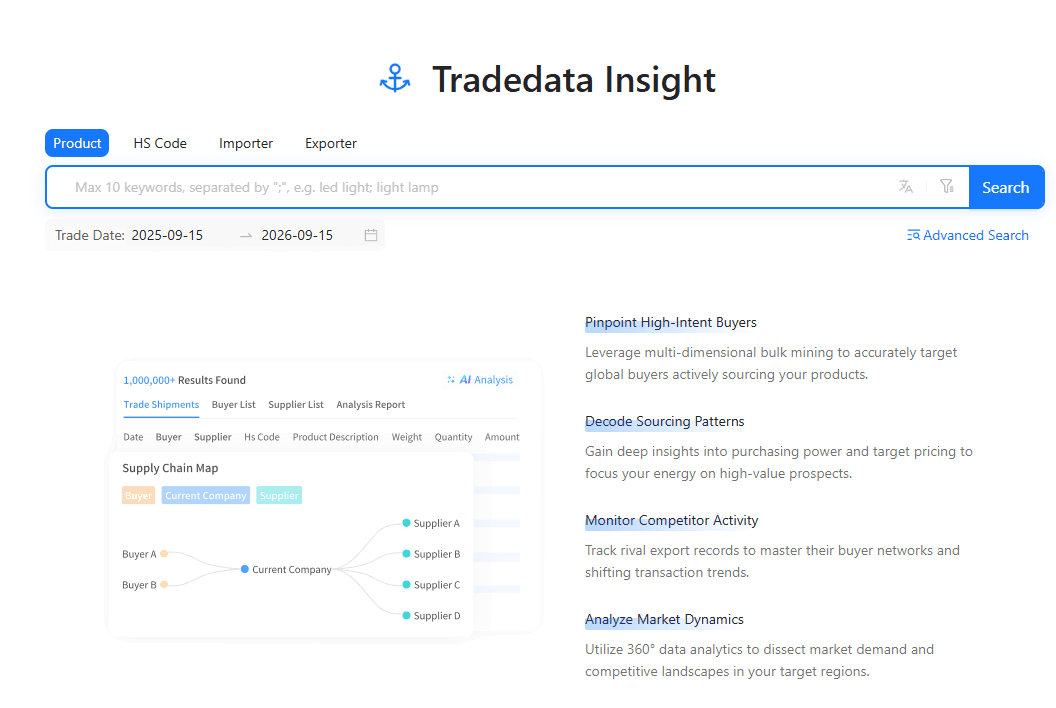
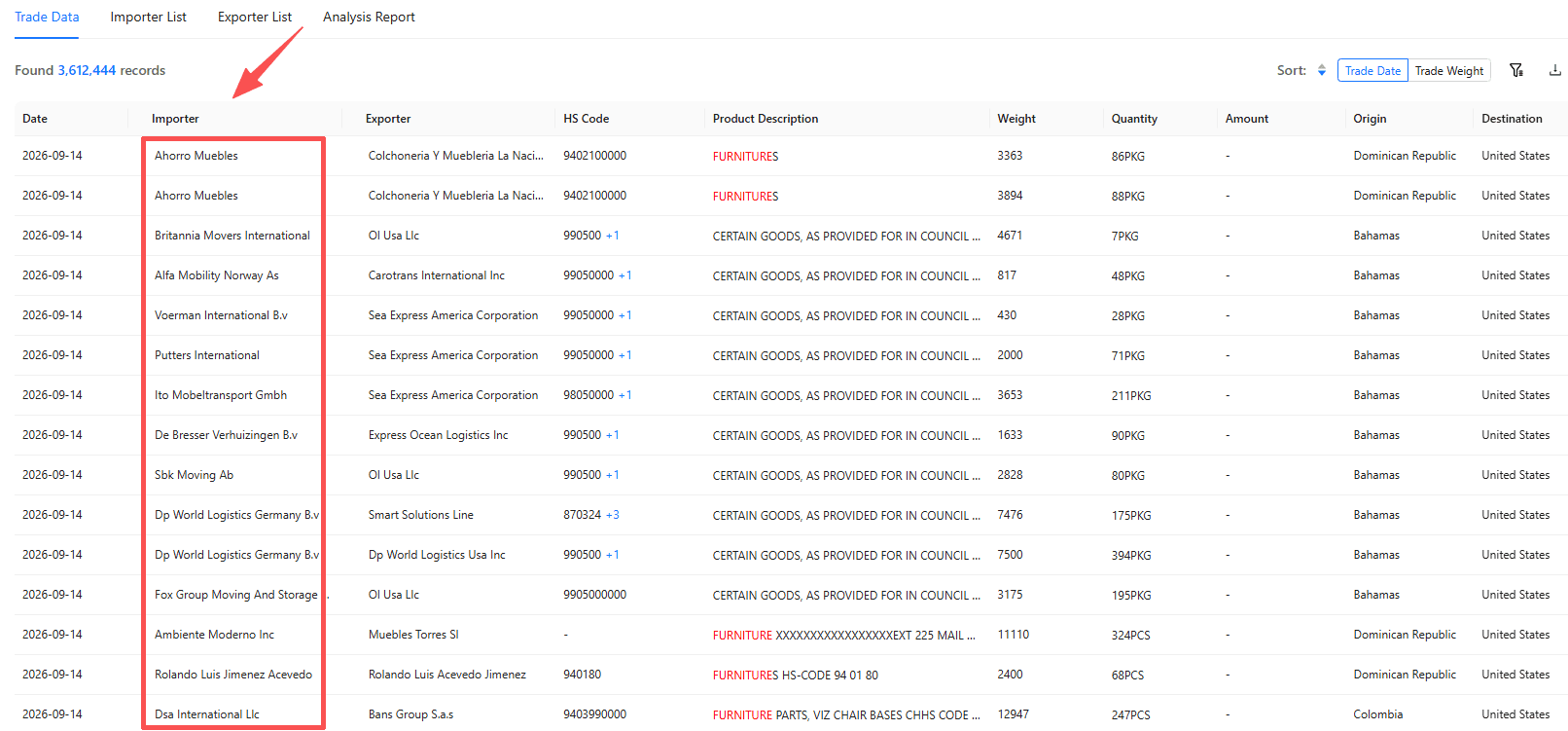
TradeSaya allows exporters to search global trade activity using product names, keywords, or HS codes.
The results show companies associated with actual import activity. This gives sales teams a stronger starting point than a general company directory.
2.Screen and Prioritize High-Value Buyers
A company appearing in customs data is not automatically a qualified prospect. Exporters still need to determine whether its activity is recent, consistent, and commercially relevant.
TradeSaya helps users review factors such as:
- Latest transaction date
- Purchasing frequency
- Import volume or value
- Product descriptions
- Historical purchasing activity
- Main sourcing countries
- Existing supplier relationships
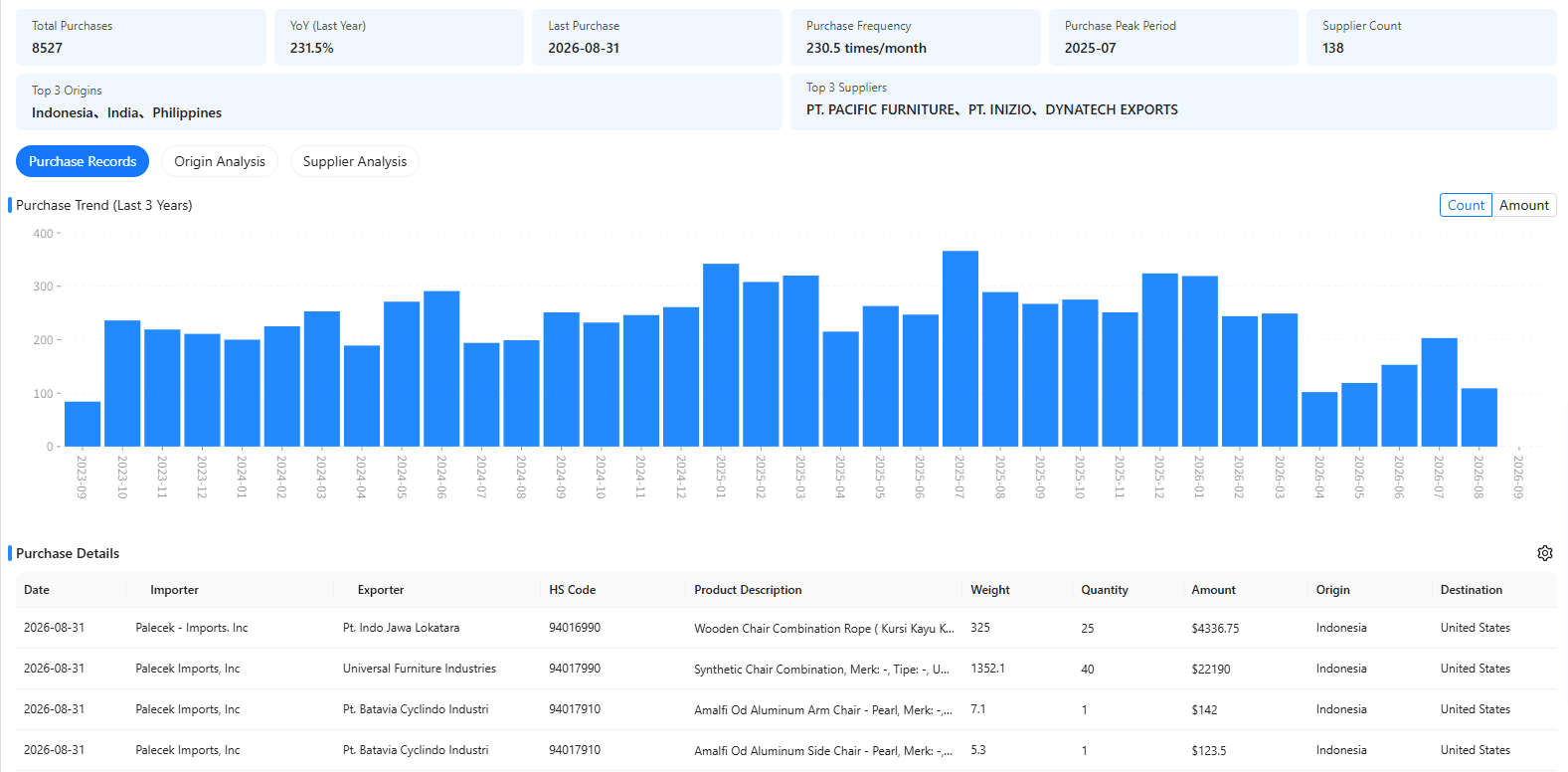
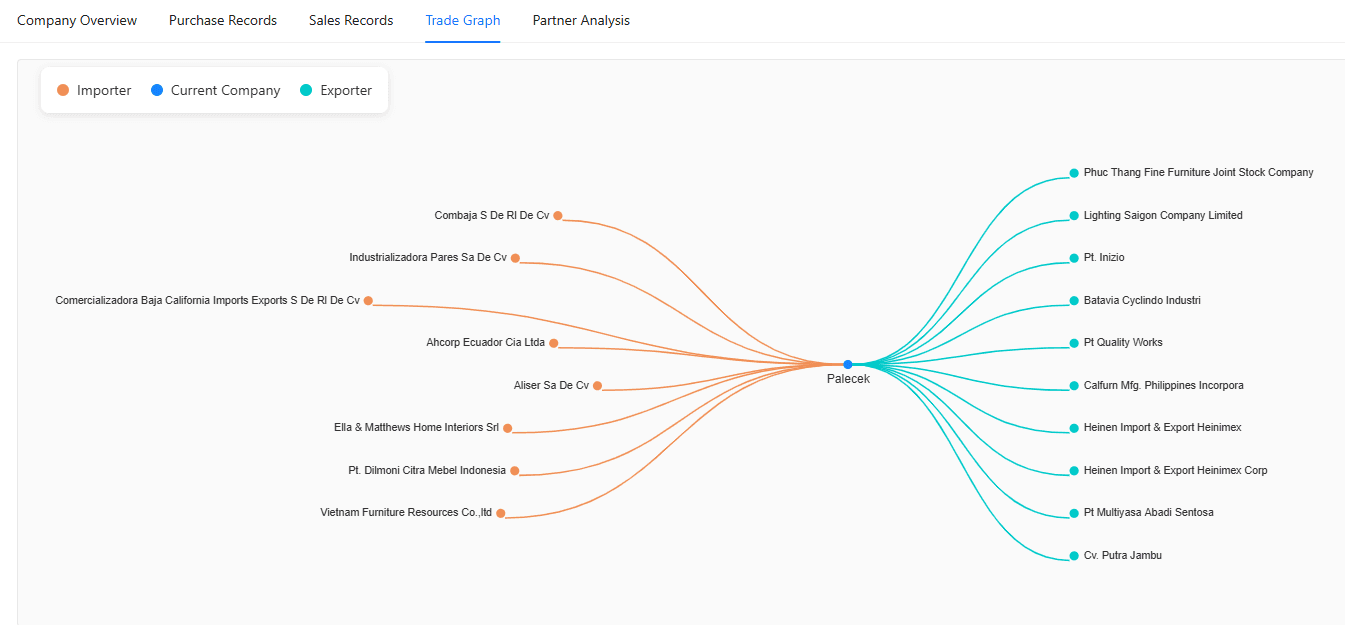
These signals help sales teams distinguish active buyers from companies that imported only once or have not purchased for several years.
They also make it easier to evaluate whether a buyer’s purchasing scale matches the exporter’s production capacity and commercial strategy.
A large importer is not always the best prospect. A smaller buyer with regular demand, a strong product match, and recent purchasing activity may represent a more realistic opportunity.
By comparing multiple factors, exporters can prioritize the accounts most worthy of further research and outreach.
3.Find Relevant Decision-Makers
Customs data can identify a company with relevant purchasing activity, but a company name alone is not enough to generate a sales conversation.
Exporters still need to reach the person responsible for procurement, sourcing, supply chain management, or the relevant product category.
TradeSaya helps users move from company-level trade intelligence to relevant business contacts where available. This connects buyer research with actual sales outreach.
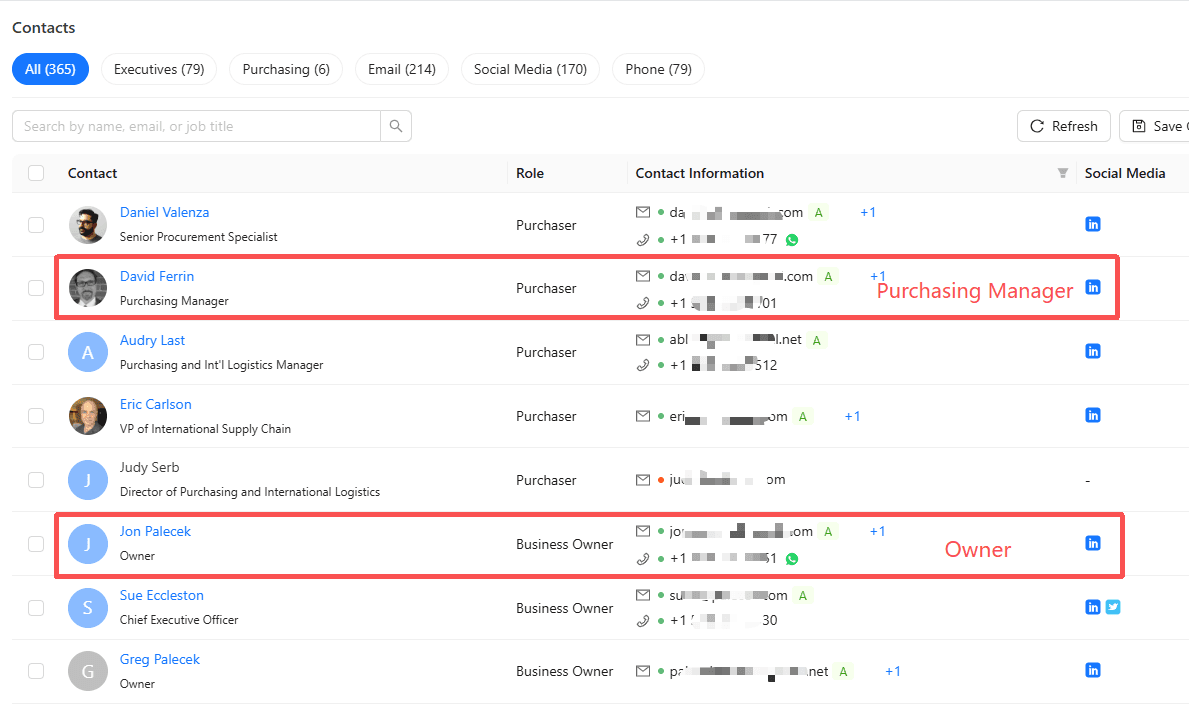
This helps sales teams reduce the time spent switching between separate trade databases, company directories, and contact research tools.
4.Discover Buyers Through Competitor Activity
TradeSaya can also help exporters research competing suppliers.
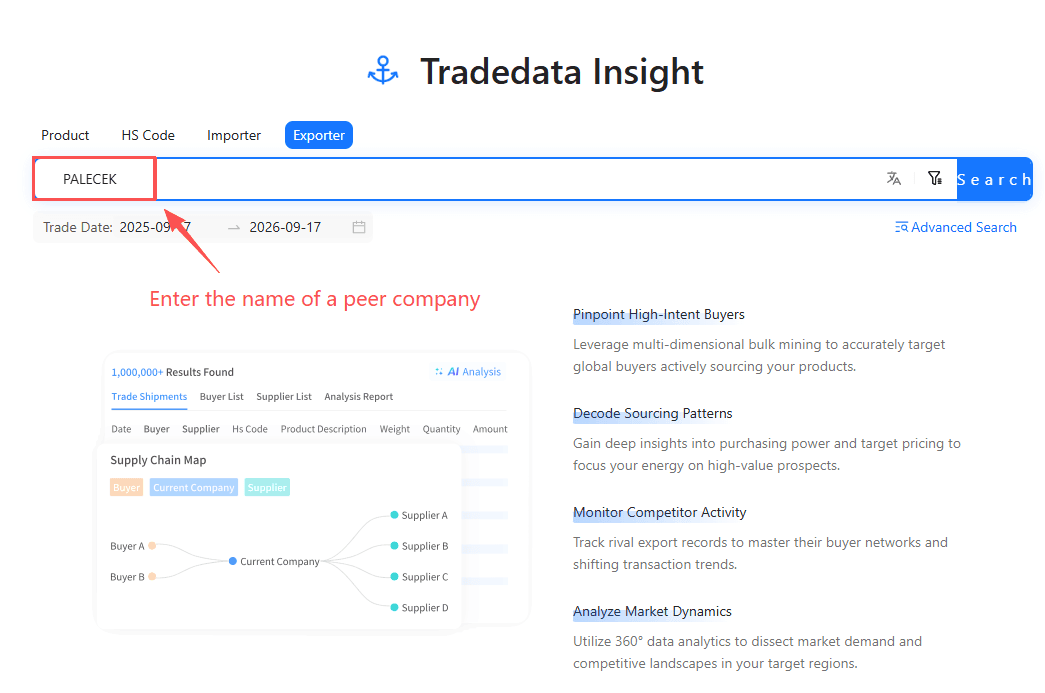
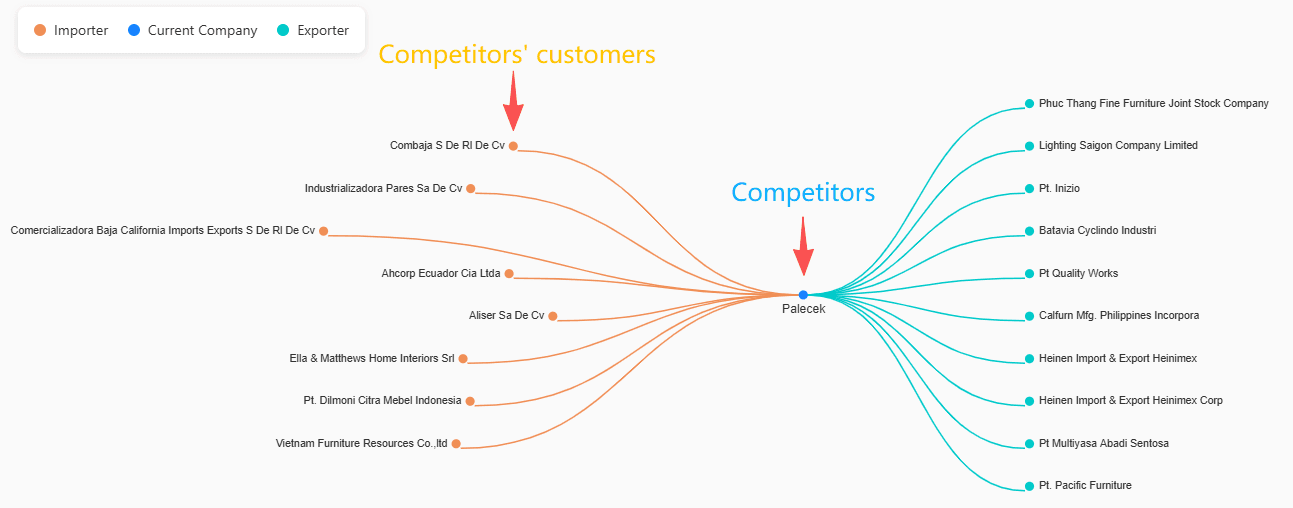
By examining available trade activity connected with competitors, exporters can investigate which markets those suppliers serve and which companies purchase from them.
A competitor’s buyer may already understand the product, have an established import process, and purchase at a commercially relevant scale. This can make the company more suitable for further research than a business found through a general internet search.
Competitor analysis can also help exporters identify:
- Buyers they may have previously overlooked
- Markets where competitors are expanding
- Changes in sourcing countries
- Emerging product demand
- Gaps where the exporter may offer better pricing, service, delivery, or product capabilities
The objective is not simply to copy a competitor’s customer list. It is to understand the market and identify buyers whose needs may match the exporter’s strengths.
From Trade Data to Qualified Buyers
Customs data helps exporters answer questions that ordinary business directories cannot:
- Is this company importing the product?
- Is it still an active buyer?
- How frequently does it purchase?
- What products does it buy?
- Which suppliers and countries does it source from?
- Does its purchasing scale match the exporter’s capabilities?
- Who is the relevant person to contact?
TradeSaya brings this information together in a practical trade intelligence platform.
Export teams can search global trade activity by product, HS code, buyer, supplier, country, and time period. They can review purchasing histories, evaluate buyer potential, study supplier relationships, and identify relevant decision-makers.
Instead of contacting large numbers of companies with no evidence of demand, exporters can focus on businesses that are already purchasing relevant products.
TradeSaya does more than help exporters find companies. It helps them find real buyers, understand their purchasing behavior, and approach them with better information.
Find Real Buyers With TradeSaya
A valuable prospect is not simply a company operating in the right industry. It is a company with relevant purchasing activity, suitable demand, and a realistic reason to consider your offer.
TradeSaya helps exporters identify these companies and understand them before making contact.
Want to discover companies already importing your products?