6 Benefits of Customs Data for Exporters: What Every B2B Sales Professional Should Know-TradeSaya
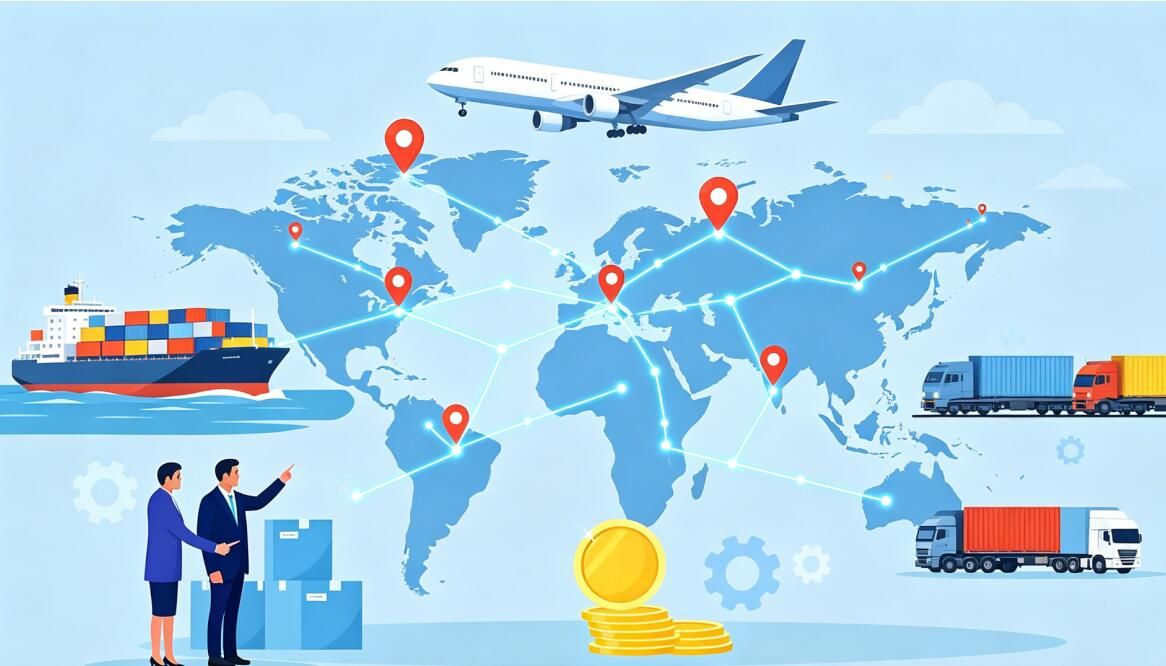
As global trade becomes increasingly digital and competitive, the way exporters identify and develop overseas customers is changing rapidly.
For many years, exporters relied mainly on trade shows, B2B platforms, search engines, and personal sales networks to expand into international markets. These channels have helped many companies find business opportunities, but they also have clear limitations. Finding companies is relatively easy; identifying companies with real purchasing demand and understanding their buying behavior is much more difficult.
For exporters, the biggest challenge is not simply finding more potential customers. The real challenge is knowing which companies are actively purchasing their products, which markets have growth potential, and how to discover opportunities before competitors.
This is where Customs Data has become increasingly valuable.
Customs Data is based on real import and export trade records. By analyzing buyer purchasing activities, imported products, supplier relationships, and market trends, exporters can gain deeper market insights, identify more relevant buyers, and develop more effective international sales strategies.
So, what value can Customs Data bring to exporters?
1、 Customs Data Helps Exporters Find Real Buyers Faster
Finding qualified buyers is one of the biggest challenges in international sales.
Traditional buyer development methods usually rely on Google searches, industry directories, social media, and B2B platforms. However, these sources mainly provide company information and do not always reveal whether a company is actively purchasing relevant products.
For example, a company searching for “industrial equipment importers” may discover thousands of related businesses. However, many of them may only be distributors, service providers, or industry-related companies rather than active importers.
Customs Data provides a more accurate approach by focusing on actual trade activities.
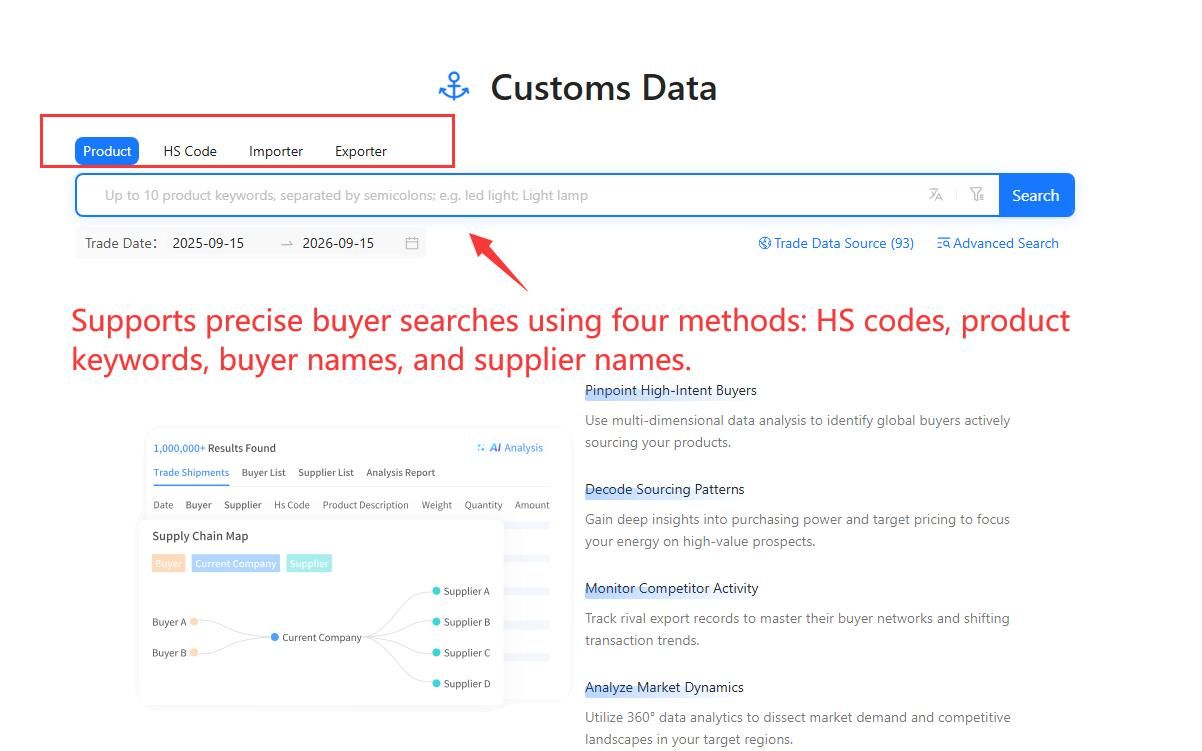
By analyzing import records, exporters can identify companies that have already purchased similar products and understand their purchasing activities, including imported products, buying frequency, order volume, and supplier sources.
This enables sales teams to focus their efforts on buyers with proven demand instead of spending time on unqualified leads.
2、 Customs Data Helps Exporters Understand Buyer Purchasing Patterns
Finding buyers is only the first step. Understanding buyer purchasing behavior is what improves sales efficiency.
Different buyers have different sourcing cycles. Some importers purchase regularly, while others adjust their orders based on market demand.
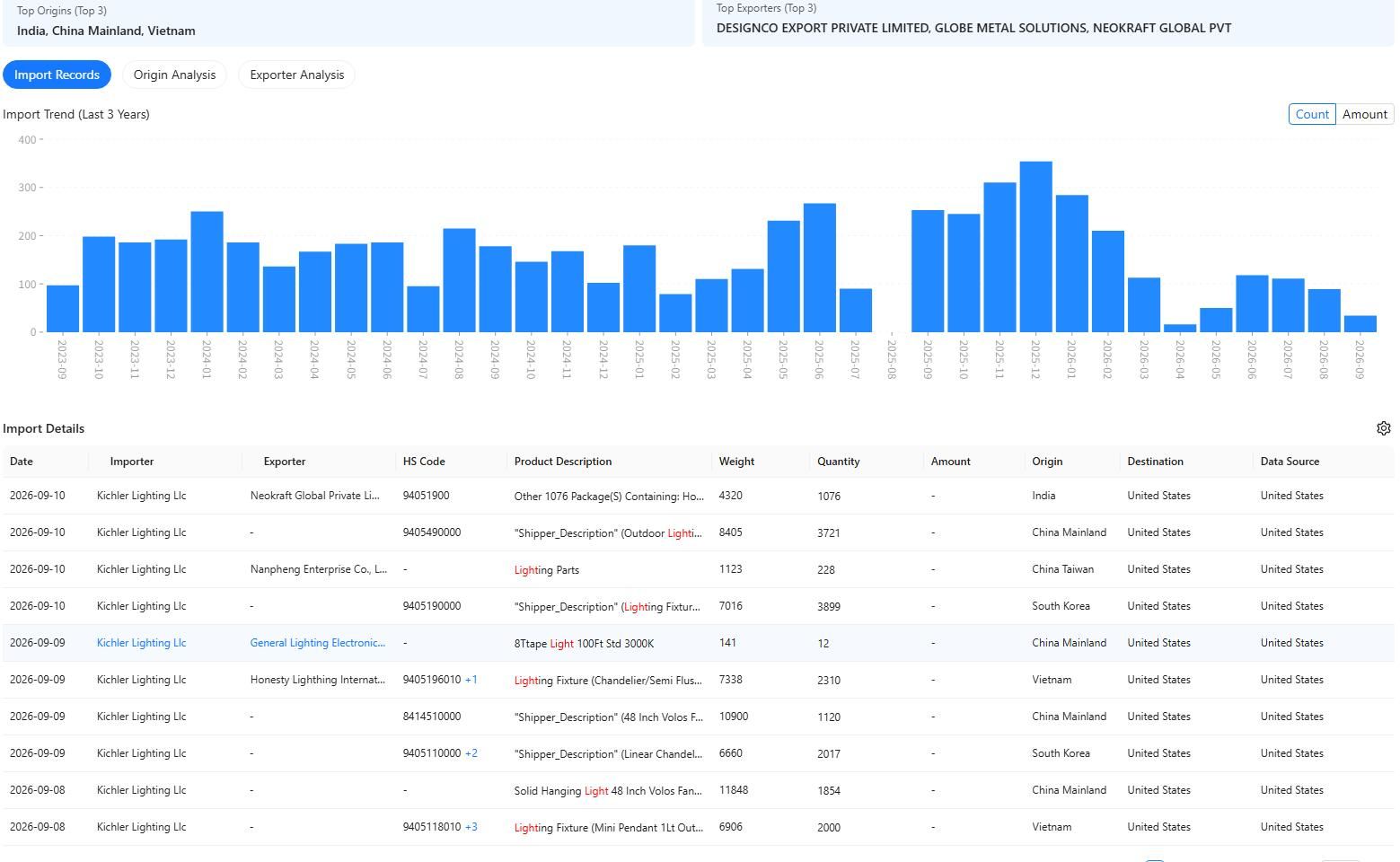
By analyzing historical trade records, exporters can understand buyer purchasing frequency, order changes, product demand trends, and supplier adjustments.
For example, if an importer has consistently purchased similar products every few months, exporters can approach the buyer before the next purchasing cycle and increase the possibility of successful communication.
Continuous monitoring of trade activities can also reveal new opportunities, such as increasing demand, expanding product categories, or changes in sourcing strategies.
Customs Data allows exporters to build sales strategies based on real purchasing behavior rather than assumptions.
3、Customs Data Helps Exporters Increase Customer Value
Many companies consider Customs Data mainly as a tool for finding new customers. However, it is also highly valuable for managing existing customer relationships.
In international trade, customer relationships require continuous understanding and improvement. However, many exporters only see their own sales records and have limited visibility into whether customers are purchasing from other suppliers.
By analyzing customer trade activities, exporters can understand whether customers are buying similar products elsewhere, who their suppliers are, and whether purchasing patterns are changing.
For example, if an existing customer starts reducing purchases while increasing orders from other suppliers, exporters can investigate the reasons behind this change and improve their products, pricing, delivery, or service.
With better trade insights, companies can strengthen customer relationships and increase long-term customer value.
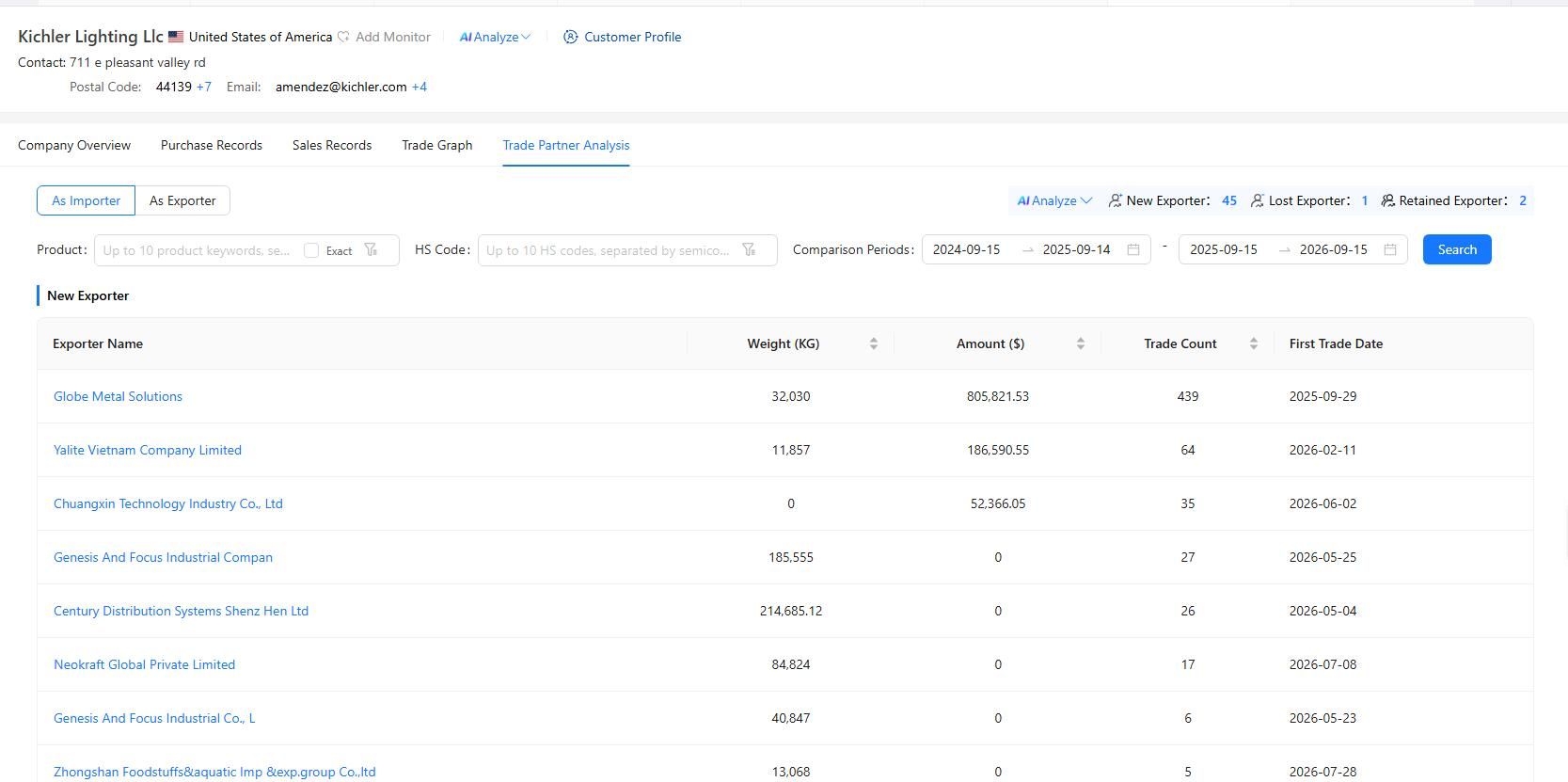
4、Customs Data Helps Exporters Identify Customer Loss Risks Earlier
Customer loss usually does not happen suddenly. It often develops through gradual changes in purchasing behavior.
Many companies only realize there is a problem after customers have already stopped placing orders. However, trade data can provide early warning signals.
Changes such as declining order volume, reduced purchasing frequency, new suppliers entering the supply chain, or shifting sourcing strategies may indicate potential risks.
By continuously tracking customer trade activities and supplier changes, exporters can identify these signals earlier and take action.
Instead of reacting after losing customers, companies can proactively improve their strategies and strengthen customer retention.
5、Customs Data Helps Exporters Analyze Competitors
In global markets, understanding competitors is just as important as understanding customers.
Many exporters focus on their own sales performance but lack visibility into competitor activities and market strategies.
Customs Data allows companies to analyze competitor trade activities, including export markets, product categories, customer groups, and market expansion trends.
For example, exporters can discover which countries competitors are targeting, which buyers are purchasing similar products, and where market demand is growing.
These insights help companies better understand market competition and develop more effective strategies.
Successful global competition requires not only knowing your own strengths but also understanding the broader market landscape.
6、Customs Data Helps Exporters Discover New Market Opportunities
Beyond customer development and competitor analysis, Customs Data is also a powerful tool for international market research.
When entering new countries or regions, exporters need to understand whether demand exists and where the best opportunities are.
By analyzing global trade data, companies can evaluate import trends, market demand, key importers, and competitive conditions.
For example, a company mainly exporting to Europe may discover growing demand in emerging markets through trade data analysis and identify new opportunities for expansion.
Compared with relying only on experience, data-driven market research helps exporters reduce uncertainty and make smarter expansion decisions.

Conclusion: Customs Data Is Becoming a Foundation for Global Growth
In today’s competitive global trade environment, Customs Data is no longer just a buyer database. It has become an important source of trade intelligence that helps exporters understand markets, identify opportunities, and make better business decisions.
By leveraging Customs Data, exporters can find real buyers, understand purchasing behavior, strengthen customer relationships, analyze competitors, and discover new markets.
TradeSaya helps exporters leverage global trade data and intelligent analytics to identify potential buyers, analyze market trends, and build a more accurate data-driven customer development strategy.
Whether companies are looking for new overseas customers, expanding into new markets, or improving existing customer relationships, TradeSaya helps reduce uncertainty and focus resources on valuable business opportunities.
The future of international trade competition will not only depend on products and pricing, but also on the ability to access accurate data and market insights.
With reliable trade intelligence, exporters can discover opportunities faster and build sustainable growth in global markets.