What Types of Customs Data Are Available? Key Differences and How to Choose-TradeSaya

For businesses involved in international trade, customs data is an important source of information for evaluating market demand, finding real buyers, and analyzing competitive relationships.
However, customs data is not a single, standardized type of data. Because disclosure policies vary across countries and regions, there can be significant differences in data sources, availability, fields, coverage, and update frequency.
Let’s take a closer look at the main types of customs data and where to find them.
1. What Are the Main Types of Customs Data?
Before comparing individual data sources, it is important to understand the difference between aggregated customs statistics and company-level customs data.
1.1 Aggregated Customs Statistics
Aggregated customs statistics generally include import and export values, quantities, trading partners, product categories, tariffs, and historical trends.
They can help businesses answer questions such as:
- Which countries import large volumes of a particular product?
- Is import demand in a target market increasing or declining?
- Which countries are the market’s main sources of supply?
- What market share do suppliers from your country hold?
- What tariffs and market-entry conditions apply in different markets?
This type of data is useful for market selection, trend analysis, and strategic planning. However, it usually does not provide the names of individual importers or suppliers.
1.2 Company-Level Customs Data
Company-level customs data is generally derived from customs declarations, bills of lading, and other legally available trade records.
Depending on the disclosure policies of each country or region, the available information may include:
- Importer or exporter names
- Product descriptions and HS codes
- Transaction dates
- Quantity, weight, or value
- Country of origin and destination
- Port and transportation information
- Buyer-supplier relationships
This type of data is more suitable for buyer development, supplier research, competitor monitoring, and customer-loss risk detection.
2. Common Sources of Customs Data
Different customs data sources are designed to answer different business questions. When evaluating a source, businesses should consider its data granularity, geographic coverage, update frequency, and practical use cases.
2.1 UN Comtrade
UN Comtrade is the United Nations Commodity Trade Statistics Database. It contains merchandise import and export statistics reported by countries around the world.
Users can search by reporting country, trading partner, product classification, and year to understand merchandise trade between different markets.
What Can UN Comtrade Be Used For?
- Comparing import volumes across countries
- Analyzing global trade flows for a particular product
- Identifying the main supplying countries in a market
- Researching long-term import and export trends
- Conducting an initial screening of potential target markets
For example, an industrial valve exporter could use the relevant HS codes to compare import volumes and growth trends in the United States, Germany, Vietnam, and other markets. This can help the company determine which countries deserve further research.
Who Is UN Comtrade Best For?
UN Comtrade is particularly useful for:
- Companies selecting export markets
- Marketing teams conducting country or industry research
- Managers analyzing global trade trends
- Analysts studying changes in product imports and exports
What Should Users Keep in Mind?
UN Comtrade mainly provides aggregated data at the country and product levels. It generally does not show specific importers, exporters, or buyer-supplier relationships.
Data update schedules, reporting quality, and statistical methods may also vary between countries. When comparing markets, users should use the same year, the same HS code version, and consistent import or export reporting methods whenever possible.
2.2 WITS
The World Integrated Trade Solution, or WITS, was developed by the World Bank in cooperation with the United Nations Conference on Trade and Development and other international organizations.
It integrates information on merchandise trade, tariffs, and non-tariff measures.
According to the World Bank, WITS provides access to data from UN Comtrade, UNCTAD TRAINS, and WTO databases, as well as custom queries and trade indicator analysis. Learn more about WITS data.
What Can WITS Be Used For?
- Examining the import and export performance of countries and products
- Comparing most-favored-nation and preferential tariff rates
- Researching tariffs and non-tariff measures
- Analyzing international product competitiveness
- Comparing trade conditions across multiple target markets
- Studying the potential effects of regional trade agreements
Who Is WITS Best For?
WITS is particularly useful for:
- Companies researching both trade volumes and tariffs
- International trade teams conducting market-entry analysis
- Analysts researching regional trade and tariff policies
- Users comparing multiple countries and products
What Should Users Keep in Mind?
WITS contains many data dimensions, and its query and classification systems can be relatively complex.
Users need to understand concepts such as HS codes, reporting countries, trading partners, most-favored-nation tariffs, and preferential tariffs.
If a company’s primary objective is to find potential buyers quickly, WITS may not be the most efficient option. However, it is valuable for evaluating whether a market is worth entering and identifying the tariffs or trade barriers a company may face.
2.3 WTO Tariff & Trade Data
The WTO Tariff & Trade Data platform provides tariff and merchandise trade information for WTO member economies.
Its data includes applied tariff rates, bound tariff rates, and import statistics organized by product and trading partner.
The platform currently provides official tariff and trade information for more than 150 economies.
What Can WTO Data Be Used For?
- Checking import tariffs in a target market
- Comparing market-entry costs across countries
- Reviewing most-favored-nation, preferential, and bound tariff rates
- Analyzing how tariff changes may affect export operations
- Comparing the tariff treatment of the same product across markets
Who Is WTO Data Best For?
WTO data is particularly useful for:
- Companies evaluating the cost of entering a target market
- International trade professionals checking product tariffs
- Teams researching trade policy and market access
- Businesses comparing tariff rates across export destinations
What Should Users Keep in Mind?
Import duties can be affected by product classification, country of origin, trade agreements, and specific import policies.
Users should not rely on product names alone. They also need to verify the correct HS code, product specifications, and applicable rules of origin.
WTO data can help businesses understand the tariffs a product may face when entering a market, but it cannot be used to identify company-level buyers directly.
2.4 Official National and Regional Customs Databases
In addition to international databases, many countries and regions publish their own official import and export statistics.
These databases are generally authoritative and may offer more timely or detailed local information than global databases.
U.S. Census Bureau
The U.S. Census Bureau is the official source of U.S. import and export statistics.
USA Trade Online and related data products allow users to search U.S. trade data by HS code, country, port, customs district, quantity, and value.
Some data is available at the 10-digit HS code level. However, official public statistics do not disclose identifiable importer or exporter names.
U.S. official trade data is useful for:
- Analyzing U.S. import volumes for a particular product
- Comparing the market shares of different supplying countries
- Researching the geographic and port distribution of imports
- Tracking monthly import changes for specific products
If the objective is to evaluate the size of the U.S. market, official statistics can be highly valuable. If the objective is to identify specific U.S. importers and understand their supplier relationships, company-level commercial customs data is required.
Eurostat
Eurostat provides international trade-in-goods statistics covering trade between EU member states and trade between EU and non-EU markets.
Its data includes monthly and annual import values, quantities, product categories, and trading partners.
Eurostat is useful for:
- Comparing import demand across EU member states
- Analyzing overall EU market trends
- Researching trade flows between member states
- Comparing the performance of different supplying countries in Europe
For companies planning to enter the European market, Eurostat can help determine which member states deserve priority. However, businesses looking for specific buyers, supplier relationships, or decision-maker information will also need a company-level customs data platform.
General Administration of Customs of China
The General Administration of Customs of China regularly publishes China’s total import and export values, major traded products, trading partners, modes of trade, and monthly and quarterly statistics.
China Customs data is useful for:
- Understanding China’s overall import and export performance
- Researching trade changes in major product categories
- Analyzing China’s main trading partners
- Monitoring trends across different modes of trade
The aggregated statistics available through public channels are useful for macro-level analysis, but they generally cannot replace company-level buyer or supplier research.
2.5 Commercial Customs Data Platforms: TradeSaya
If a company wants to use customs data not only to study the overall market but also to find real businesses currently purchasing relevant products, it needs a company-level commercial customs data platform.
TradeSaya organizes and connects legally available customs and trade records from different countries and regions. It helps exporters identify real buyers, analyze purchasing behavior, and determine which companies should receive priority in their sales efforts.
What Information Can TradeSaya Provide?
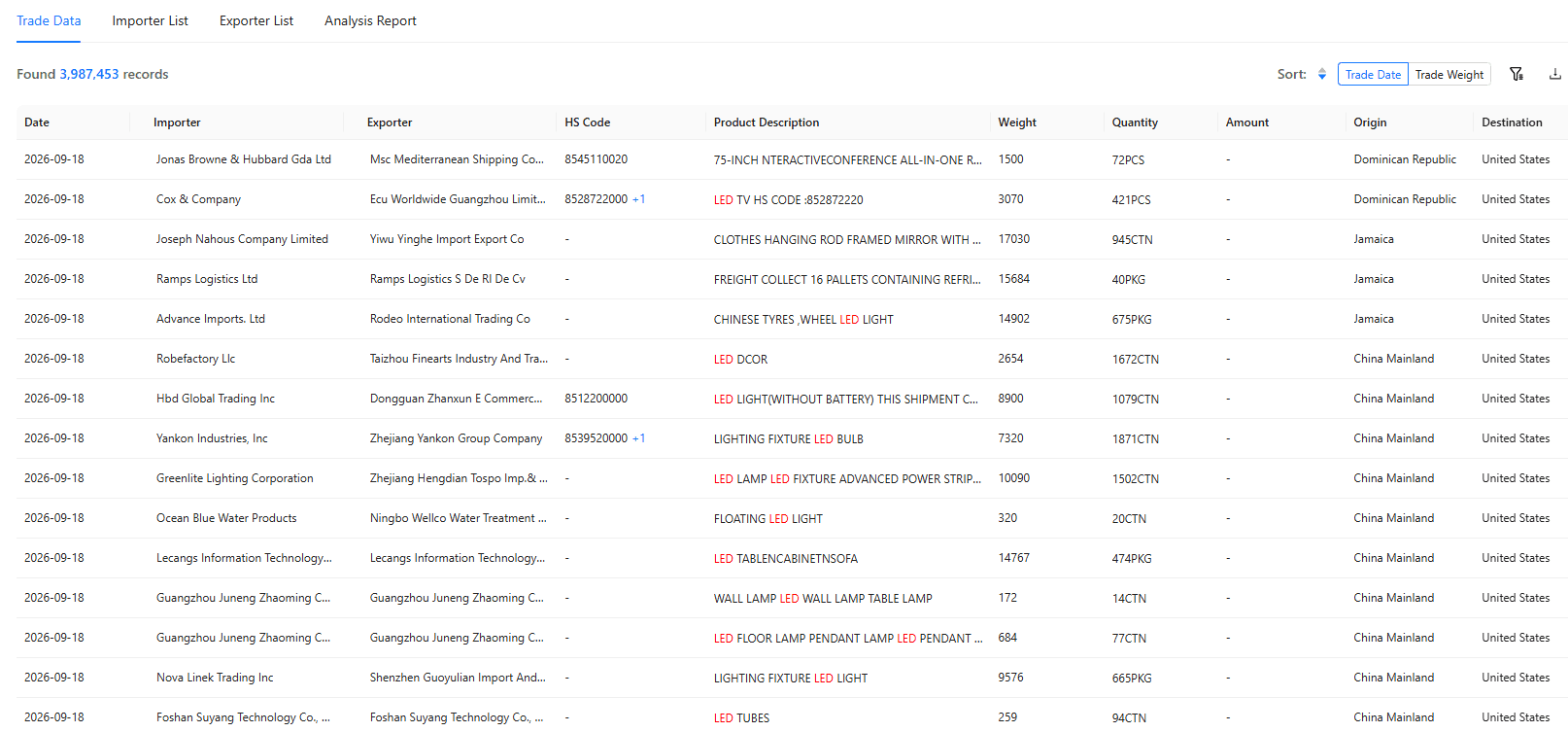
Users can enter a product keyword or HS code to search historical purchase records related to that product in a target market.
Depending on the country and available data, the results may include:
- Importer and exporter names
- Product descriptions and HS codes
- Transaction dates
- Quantity, weight, or value
- Countries of origin and destination
After selecting a company, users can further examine its trade activity, including:
- The date of its most recent purchase
- Whether it has purchased continuously over the past year
- Whether its purchasing frequency is increasing or declining
- The countries from which it mainly sources
- Its established suppliers
- Whether new suppliers have recently appeared
- Whether the product descriptions and specifications match your products
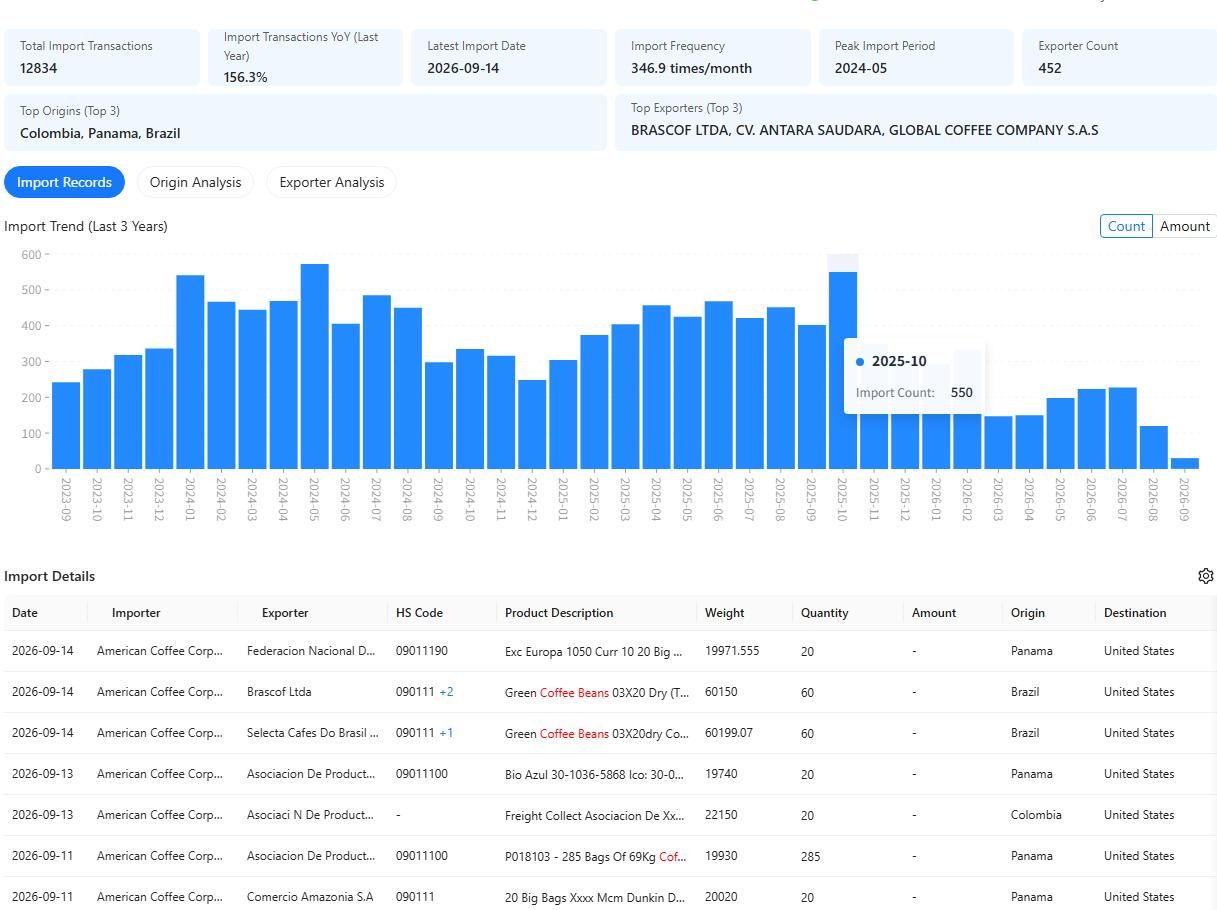
These insights can help sales teams identify high-potential buyers and determine which companies deserve focused development.
Customs records themselves generally do not contain the direct contact details of individual procurement managers.
TradeSaya can supplement the trade records with the names, email addresses, phone numbers, and WhatsApp details of procurement professionals, business owners, executives, and other key decision-makers.
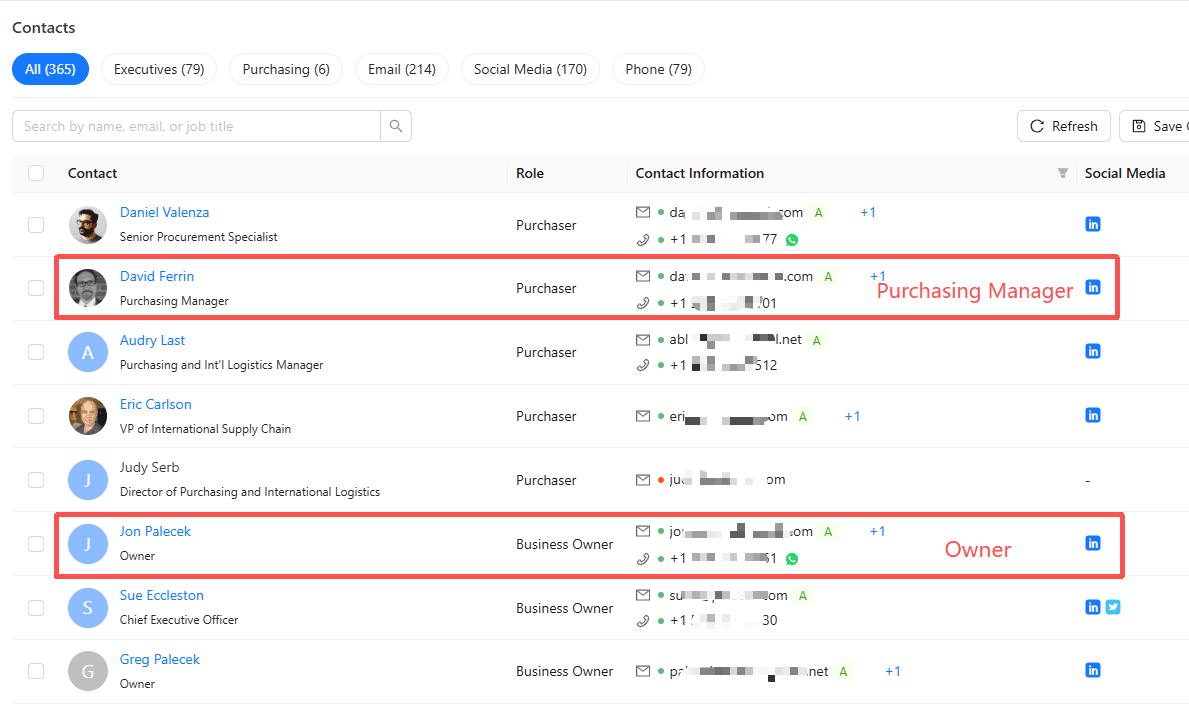
This allows users to reach relevant decision-makers directly and improve communication efficiency.
Who Is TradeSaya Best For?
TradeSaya is particularly suitable for:
- Exporters looking for overseas buyers
- Sales professionals who need to verify whether a prospect actually purchases relevant products
- Business teams researching a buyer’s existing suppliers
- Marketing teams analyzing competitors’ customer portfolios
- Account managers monitoring changes in existing customers’ purchasing activity
- Procurement teams researching suppliers and supply chain relationships
3. Other Information Sources That Can Supplement Customs Data
Logistics information and industry reports are not customs data in the strict sense, but they can help businesses better understand transportation activity and the broader market context.
3.1 Logistics and Vessel-Tracking Platforms
Shipping and logistics data can supplement customs records by providing information about cargo movements, vessel locations, port activity, and potential delays.
These platforms can be used to:
- Track vessels and cargo in transit
- Understand major ports and shipping routes
- Monitor port congestion and supply chain disruptions
- Estimate transportation and arrival times
- Support research into specific trade routes
However, logistics data alone cannot answer questions about market size, product demand, or buyer purchasing intent.
3.2 Industry Reports and Market Research
Reports published by industry associations, consulting firms, research companies, and international organizations can help businesses understand the market factors behind customs data.
These reports often cover:
- Changes in industrial policy
- Shifts in consumer demand
- Technology trends
- Market size and forecasts
- Supply chain risks
- Major companies and the competitive landscape
However, different organizations may use different data sources, market definitions, statistical scopes, and forecasting methods.
When reviewing a report, users should pay attention to its data period, market scope, product definition, data sources, and forecasting methodology.
Conclusion
Customs data sources differ significantly in their level of detail, geographic coverage, and practical applications.
UN Comtrade, WITS, WTO, and official national databases are mainly suitable for researching macro-level information such as countries, products, trading partners, and tariffs.
If a business needs to find real buyers, analyze purchasing behavior, understand supplier relationships, or monitor competitors, it will need a commercial customs data platform such as TradeSaya.
Want to know which companies in your target market are currently importing your products?