How to Find New Product Opportunities from Customs Data-TradeSaya

Finding a buyer doesn’t mean the sales opportunity ends there.
Many exporters focus only on the products a buyer is already known to purchase. But a buyer’s customs data can reveal much more:
What are they buying now? What products have they recently added? And who are they buying from?
By analyzing a buyer’s import data, you can uncover potential product opportunities that may not be visible from their website or social media profiles.
1. Find Out What Products the Buyer Is Purchasing
Start with the buyer’s actual import records.
A company may describe itself as a furniture importer, for example, but its import records could show purchases of dining tables, chairs, outdoor furniture, metal accessories, and more.
With TradeSaya, you can search for a buyer and view key import information, including product descriptions, HS Codes, shipment dates, quantities, weights, and suppliers.
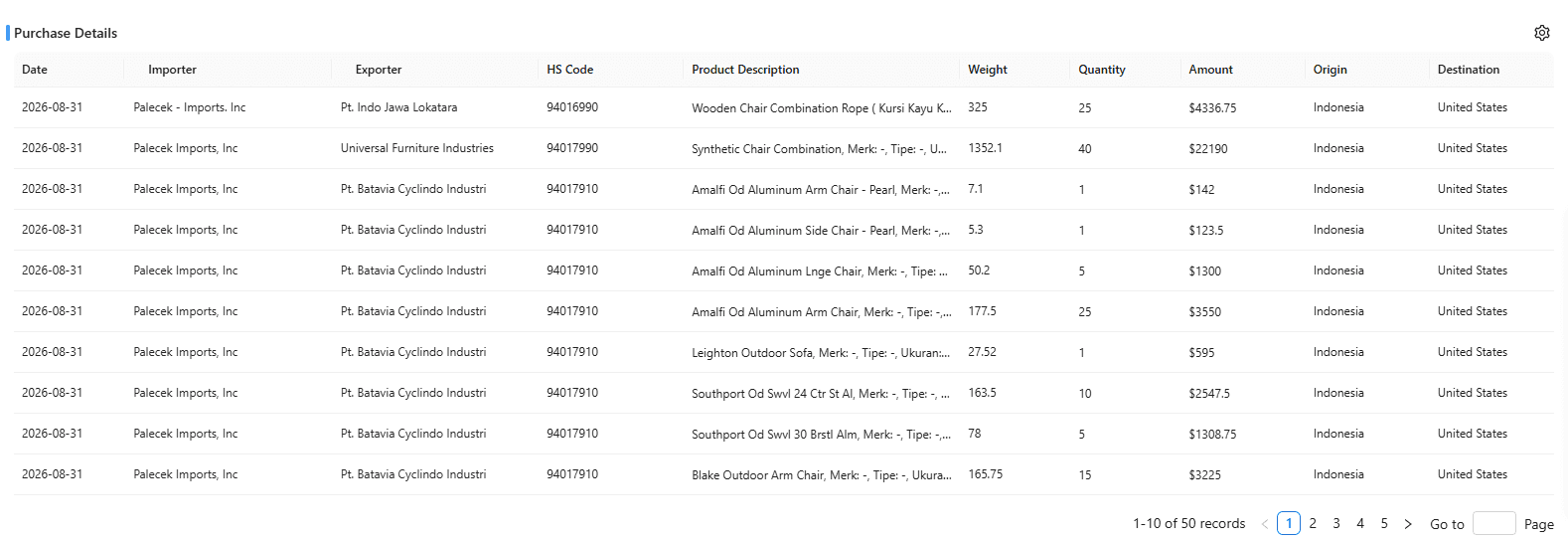
This helps you answer a simple but important question: Are there any products this buyer purchases that your company can supply?
If there are, you can expand your sales opportunity beyond the product you initially planned to offer.
2. Identify Recently Added Products
Not every product in a buyer’s import history represents a new opportunity.
Pay closer attention to products that have appeared recently or increased in purchasing frequency.
For example, a buyer may have been importing Product A for years but recently started importing Product B on a regular basis.
Product B deserves further attention.
It could indicate that the buyer is expanding its product range or that demand for this category is increasing.
TradeSaya allows you to review a buyer’s historical transaction data and analyze changes in purchasing time, quantity, and frequency, making it easier to identify these shifts.

>>> Request a Free TradeSaya Demo <<<
3. Check Who Is Supplying These Products
Once you find a new product, there is another question worth asking: Who is currently supplying it?
TradeSaya also allows you to analyze the buyer’s supplier information and sourcing relationships.
For example, you may find that:
- A product has been supplied by one supplier for a long time
- The buyer sources the same product from multiple suppliers
- A new supplier has recently appeared
- Purchases from a particular supplier are increasing
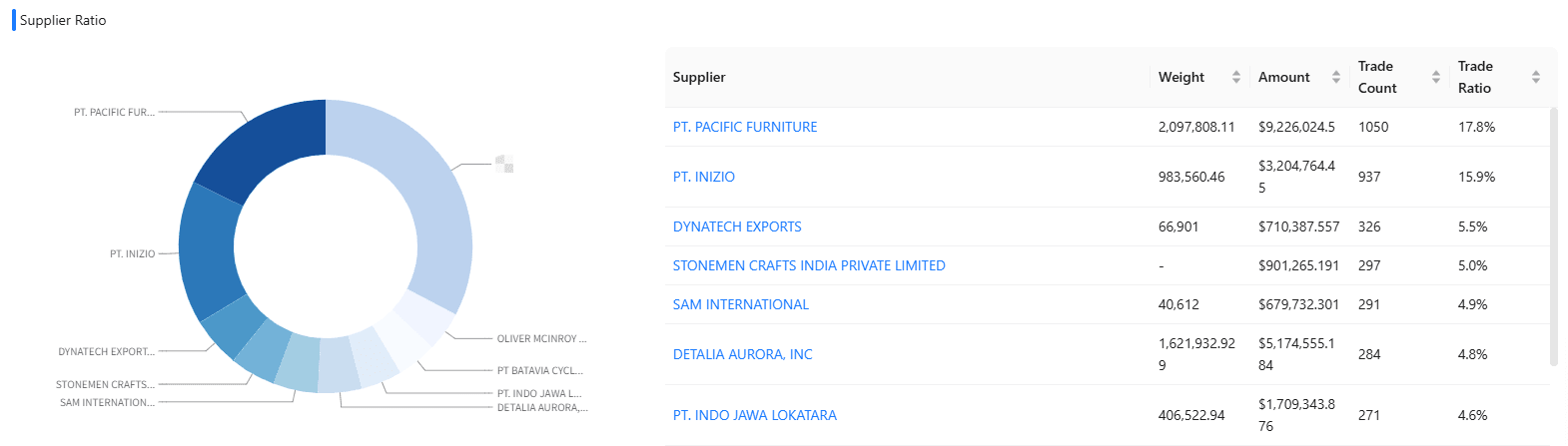

These details can help you understand the buyer’s current supply structure.
For example, if a recently added product is being sourced from multiple suppliers, it may be worth investigating whether the buyer is expanding its sourcing network.
Of course, customs data cannot confirm that a buyer is actively looking for new suppliers. But it can help you identify“where further research may be worthwhile”
4. Find the Right Purchasing Contact
Once you identify a product opportunity, the next step is to reach the person responsible for purchasing.
TradeSaya provides not only buyer and customs data, but also decision-maker information, helping you identify relevant contacts such as:
- Name
- Position
- Phone Number
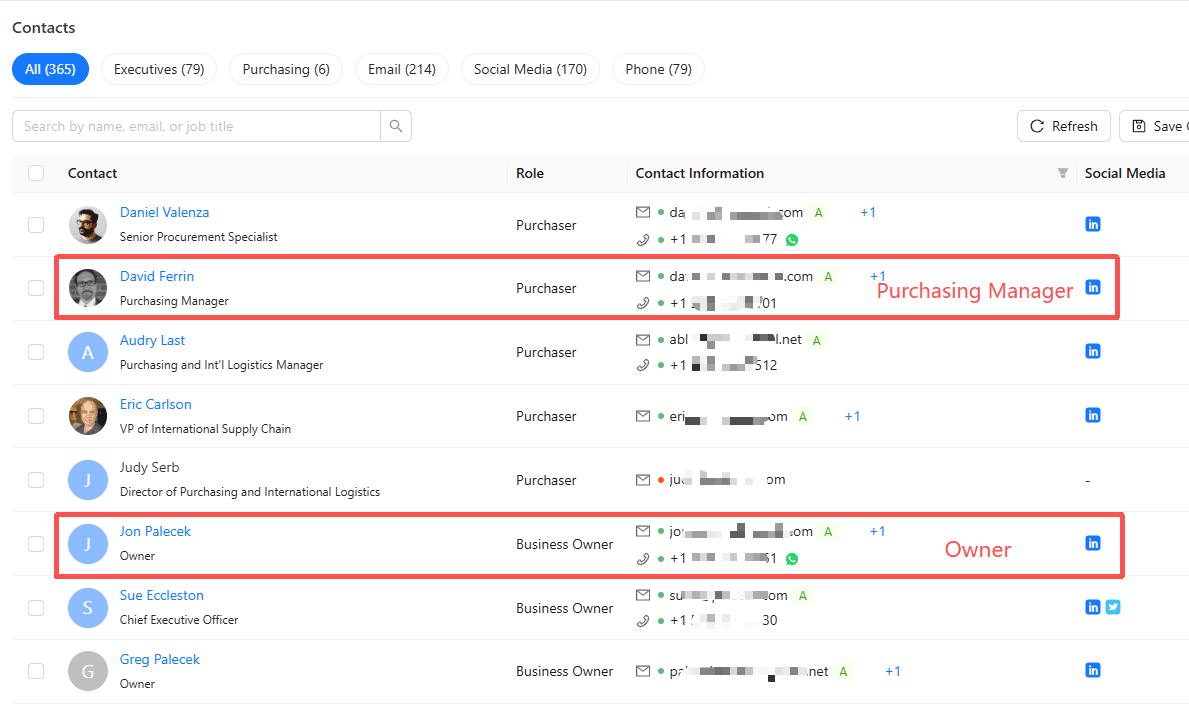
This allows you to build a more complete prospecting process:
Find the buyer → Analyze purchased products → Identify new opportunities → Check suppliers → Find the decision-maker.
Instead of sending a generic introduction to a company, you can approach the relevant contact with a clearer understanding of the products they purchase.
Conclusion
When developing overseas buyers, it is easy to focus only on the products they have already shown interest in.
But there may be more opportunities hidden in their purchasing activity.
By using TradeSaya to analyze customs data, you can look deeper into: Buyer → Products → Purchasing Trends → Suppliers → Decision Makers.
Finding a buyer is only the beginning.
The more you understand their purchasing activity, the more opportunities you may uncover.