What Is Customs Data Used For? 7 Ways It Helps Exporters-TradeSaya

When exporters think of customs data, finding buyers is often the first use that comes to mind: searching import records to identify overseas companies purchasing relevant products.
But buyer lists are only part of its value.
Customs data can also help you analyze market demand, understand industry changes, research competitors, and follow purchasing activity across new and existing accounts. With a global trade data and buyer intelligence platform like TradeSaya, these records can inform more focused business decisions.
Here are seven practical uses.
1.Analyze Target Markets
When launching a product or expanding internationally, the first question is often: which markets should you pursue?
Relevant import records can help you compare the number of buyers, shipment frequency, import quantities, and changes over time. Together, these indicators provide insight into market demand and purchasing activity.
With TradeSaya, you can research trade activity for your target products, compare markets, and investigate relevant buyers in each destination.
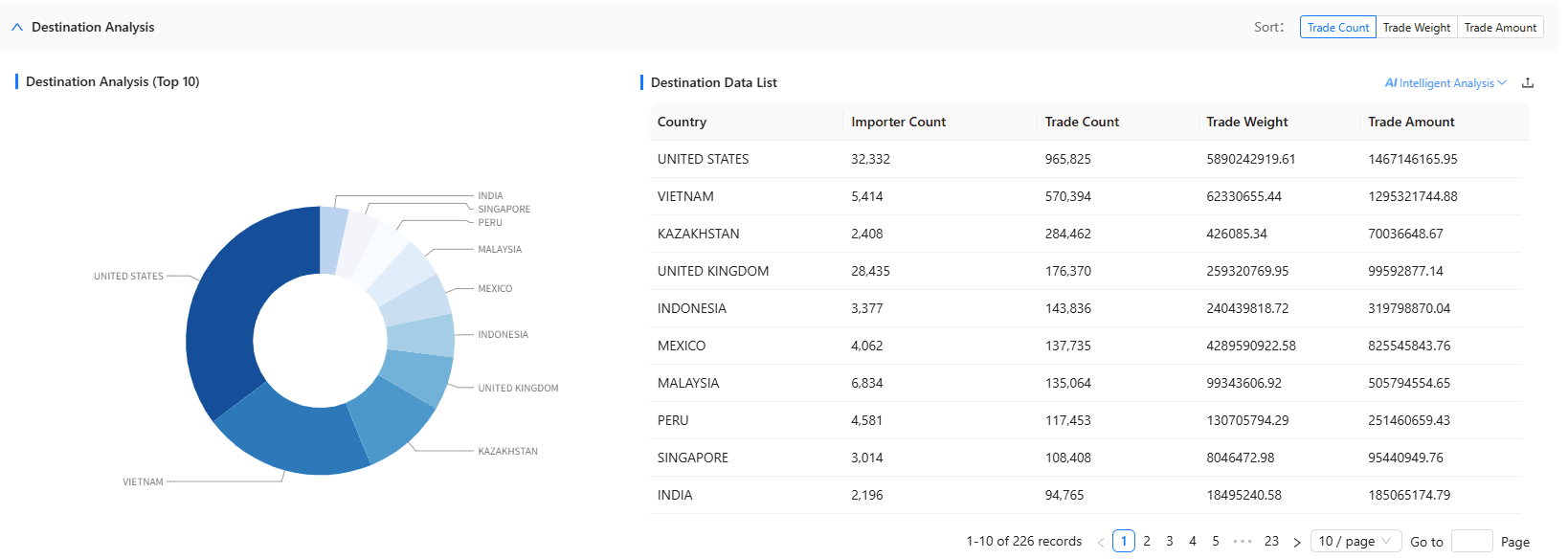
Combine those findings with your product positioning, supply capacity, and market entry requirements to decide where to focus your sales resources.
2. Understand Industry Changes
Changes in a market’s supplier base can reveal developments worth investigating.
A steady flow of new suppliers may reflect growing demand or increasing competition. Buyers shifting their sourcing to other countries may indicate changes in their procurement strategies.
By researching suppliers and trade activity through TradeSaya, you can observe how market participation and sourcing relationships evolve.
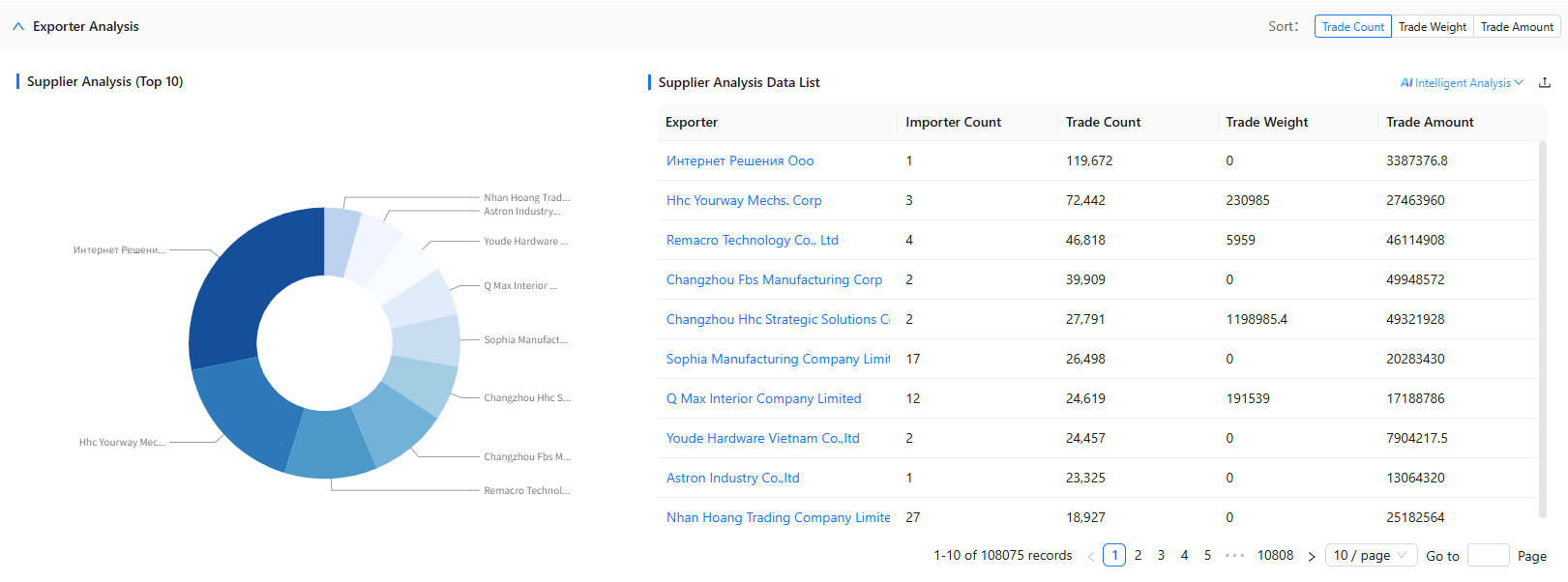
These signals can help you reassess your competitive environment and adjust your products, pricing, or market strategy. However, an increase in suppliers does not, by itself, prove that an industry has become more profitable.
3. Identify and Research Competitors
Which companies export products similar to yours? Where do they sell? How consistently do they supply those markets?
Where company-level records are available, shipper names and transaction details can help you identify competitors and investigate their shipment volumes, trading frequency, and buyer networks.
You can use TradeSaya to research relevant suppliers’ trade records, then review their websites, product catalogs, and other public information to learn more about their business and production capabilities.
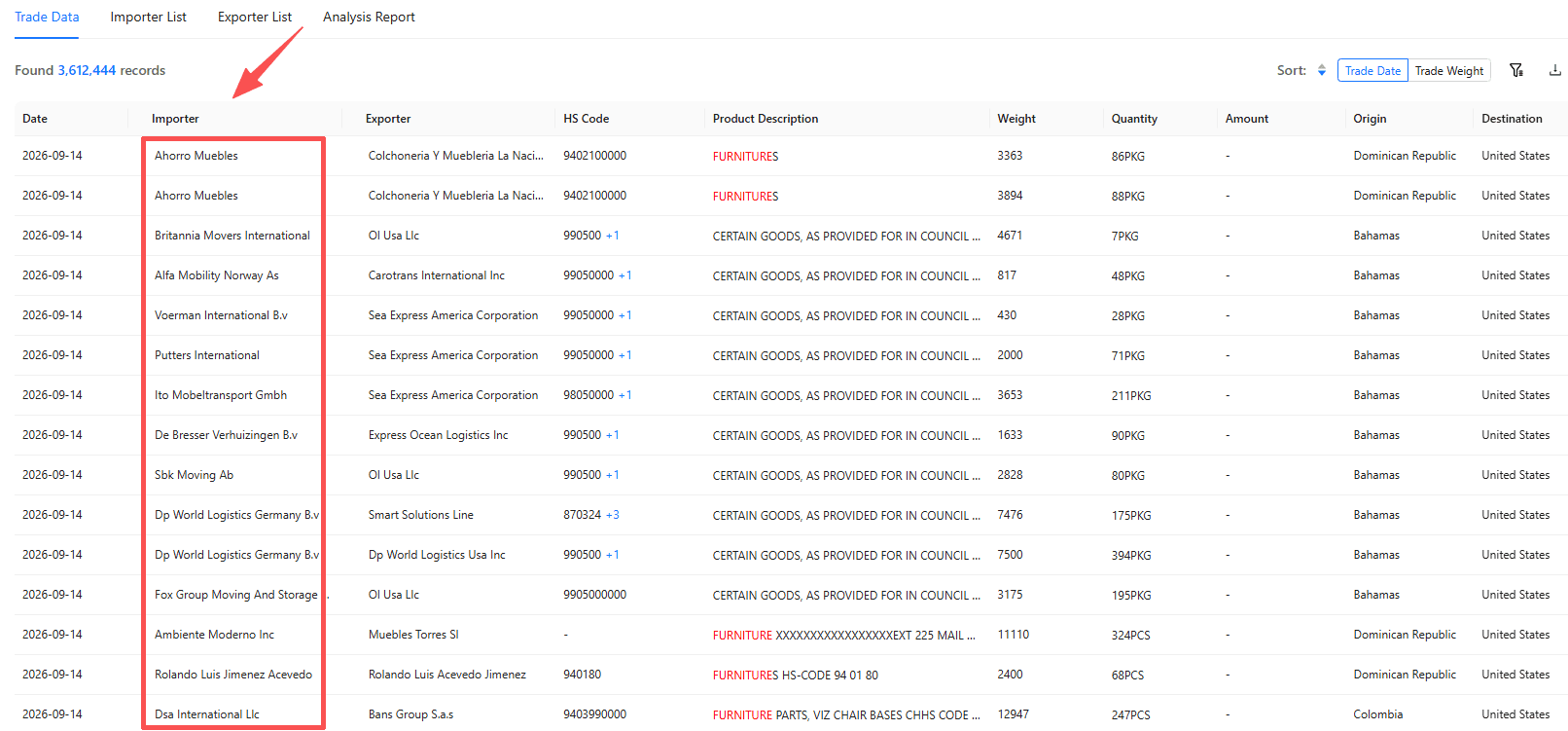
Comparing these findings with your own business helps you understand your competitive position and identify advantages to emphasize, such as product specifications, delivery flexibility, or service.
4. Track Competitors’ Buyers and Purchasing Patterns
Once you understand your competitors, the next question is: who buys from them, and how do those buyers purchase?
By reviewing buyers’ trade records over time, you can study shipment frequency, quantities per shipment, seasonal patterns, and relationships with existing suppliers.
Researching this activity through TradeSaya can help you identify buyers that fit your offering and plan more relevant outreach.
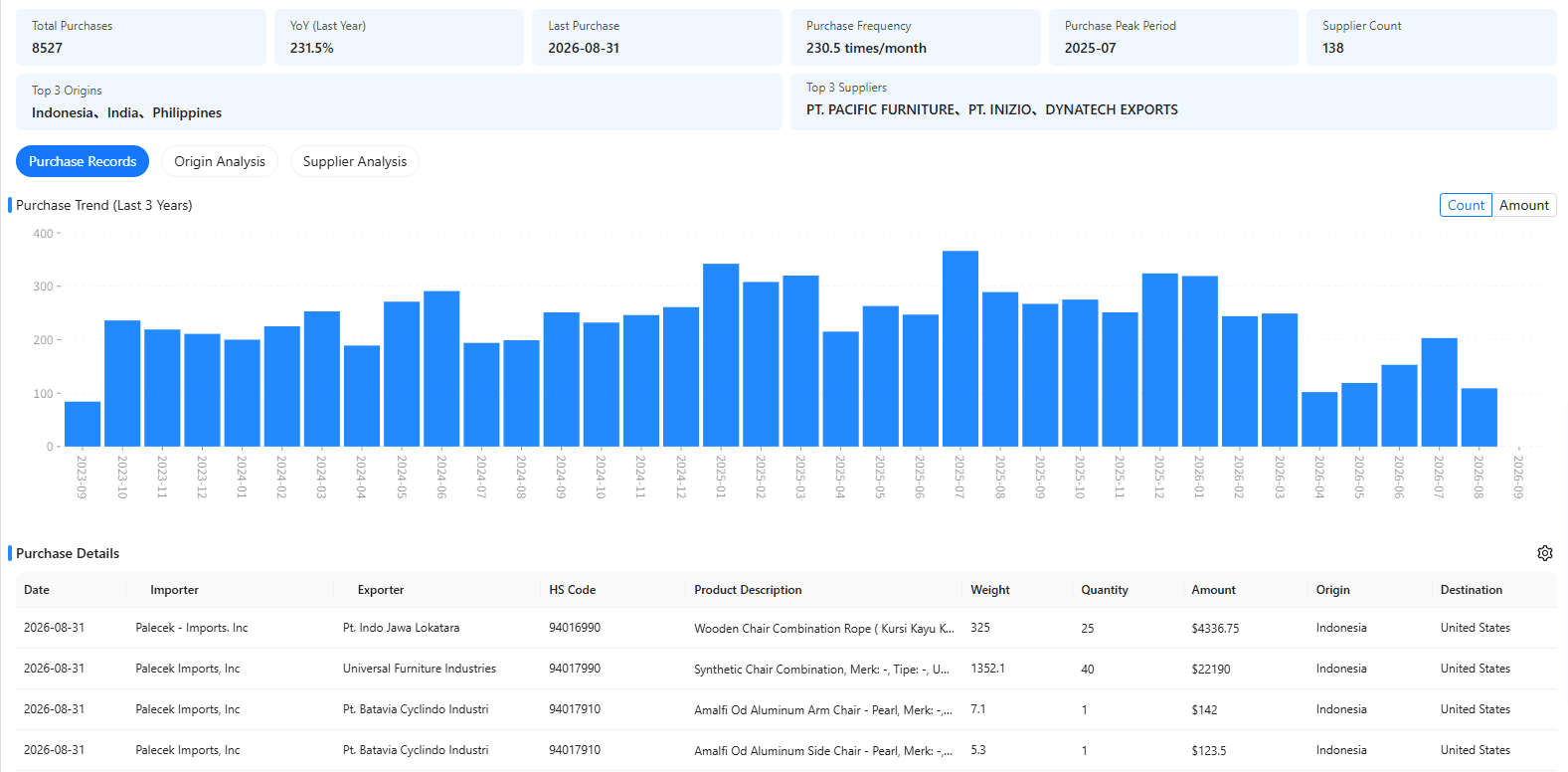
For example, if a buyer has historically increased imports ahead of a particular season, you can start a conversation early about specifications, supply capacity, and delivery requirements.
Shipment dates are not order dates, so historical activity should guide your timing rather than be treated as a confirmed purchasing schedule.
5. Study Buyer Types to Find Less-Contested Prospects
The importers you find in customs data may also appear on your competitors’ prospect lists. To uncover additional opportunities, look beyond company names and study the types of businesses buying your products.
Are they import distributors, brand owners, manufacturers, or retailers? How do they sell their products? Which industries or end customers do they serve?
Start with purchasing insights from TradeSaya, then review company websites and business information to understand the distribution models and sales channels behind those records.
Use those characteristics to find similar companies through search engines, social media, Google Maps, brand websites, and trade show directories.
This approach helps you expand beyond familiar importer lists and discover prospects that may receive less attention from competing suppliers.
6. Understand Customers’ Other Suppliers and Strengthen Relationships
Your existing customers may source from several suppliers alongside your business.
Where coverage allows, customs data can help you investigate their other supply sources, related products, and changes in purchasing activity.
Combine records available through TradeSaya with your own order history to assess how your offering compares with other suppliers in areas such as product range, supply frequency, and delivery capabilities.
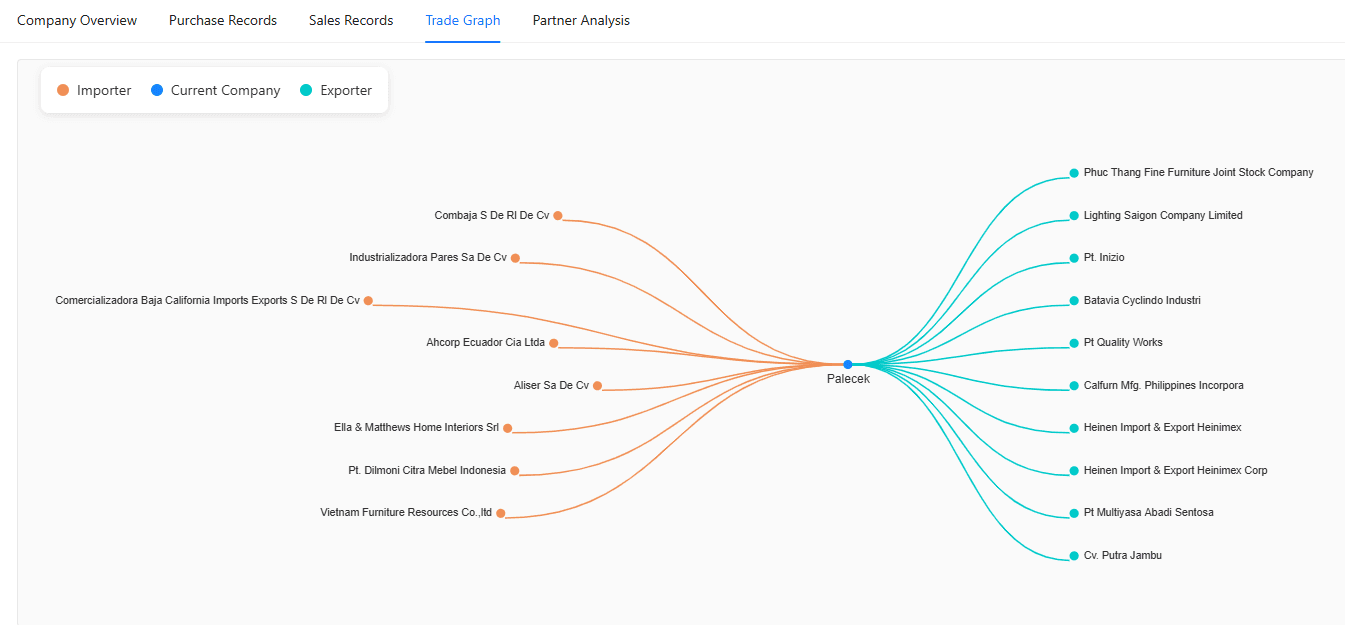
These comparisons can help you prepare useful questions for account reviews. Does the customer have product needs you have not discussed? Would more flexible supply arrangements help? Are there service gaps you could address?
Using multiple suppliers does not necessarily indicate dissatisfaction. Understanding your role within the customer’s supply network can help you improve service, strengthen the relationship, and pursue a larger share of its business.
7. Investigate Lost Accounts and Find Opportunities to Reconnect
When a former customer stops ordering, has its demand declined, or has it moved to another supplier?
Customs data can provide clues. If the company continues importing relevant products and a new supplier appears in its records, it may be worth investigating how the sourcing relationship has changed.
Use available trade records in TradeSaya alongside the new supplier’s public information, your previous quotations, customer feedback, and delivery history to identify areas for improvement.
Trade records alone cannot establish why a customer switched suppliers. They can, however, help you focus your research and prepare questions about pricing, products, delivery, or service.
Reconnecting with a concrete improvement—such as revised specifications, better delivery arrangements, or a more suitable supply proposal—gives the customer a clear reason to reconsider working with you.