How to Choose the Right Global Customs Data: 5 Questions Every B2B Exporter Should Ask - TradeSaya
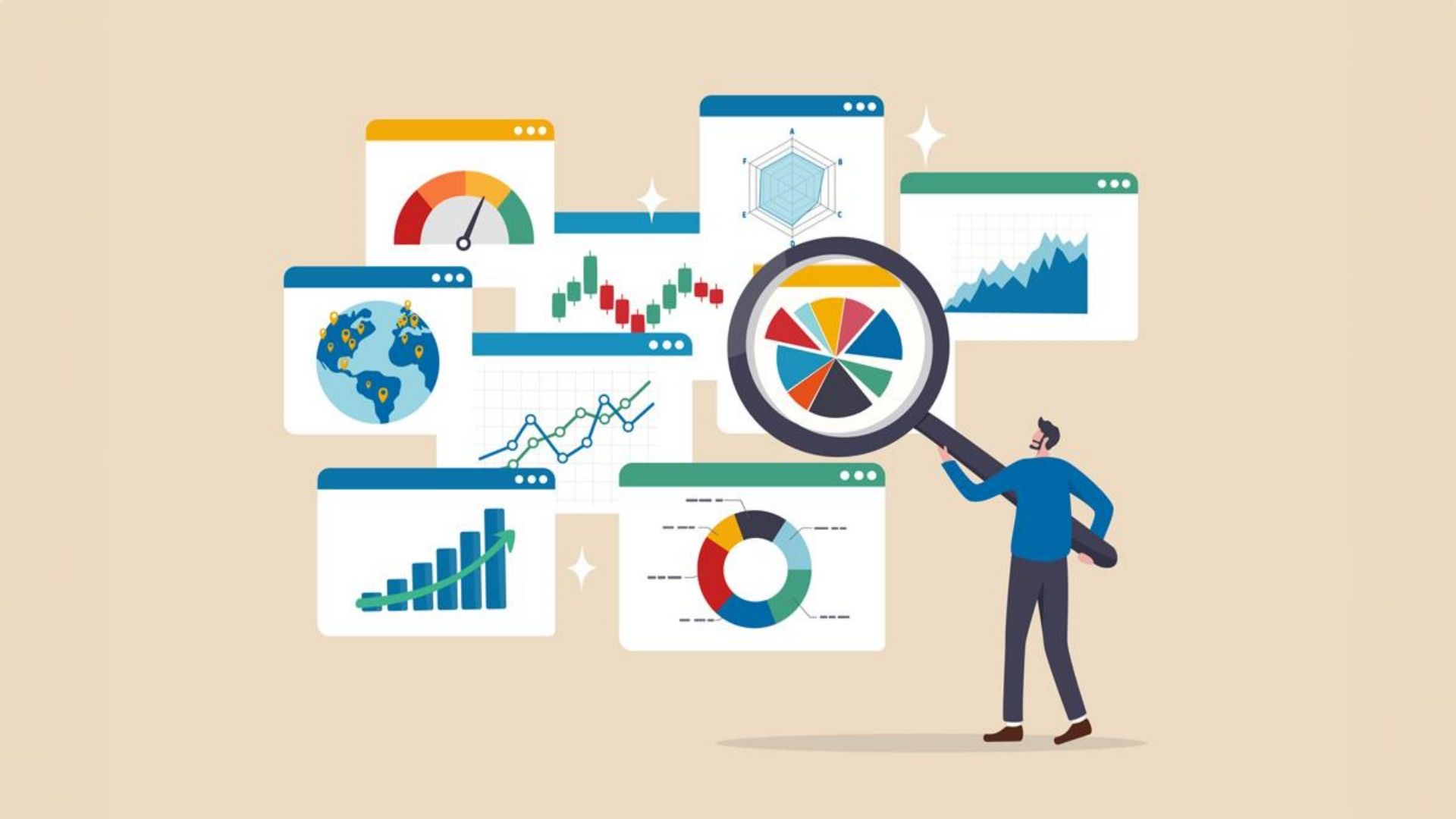
Global customs data has become an increasingly important source of intelligence for B2B exporters.
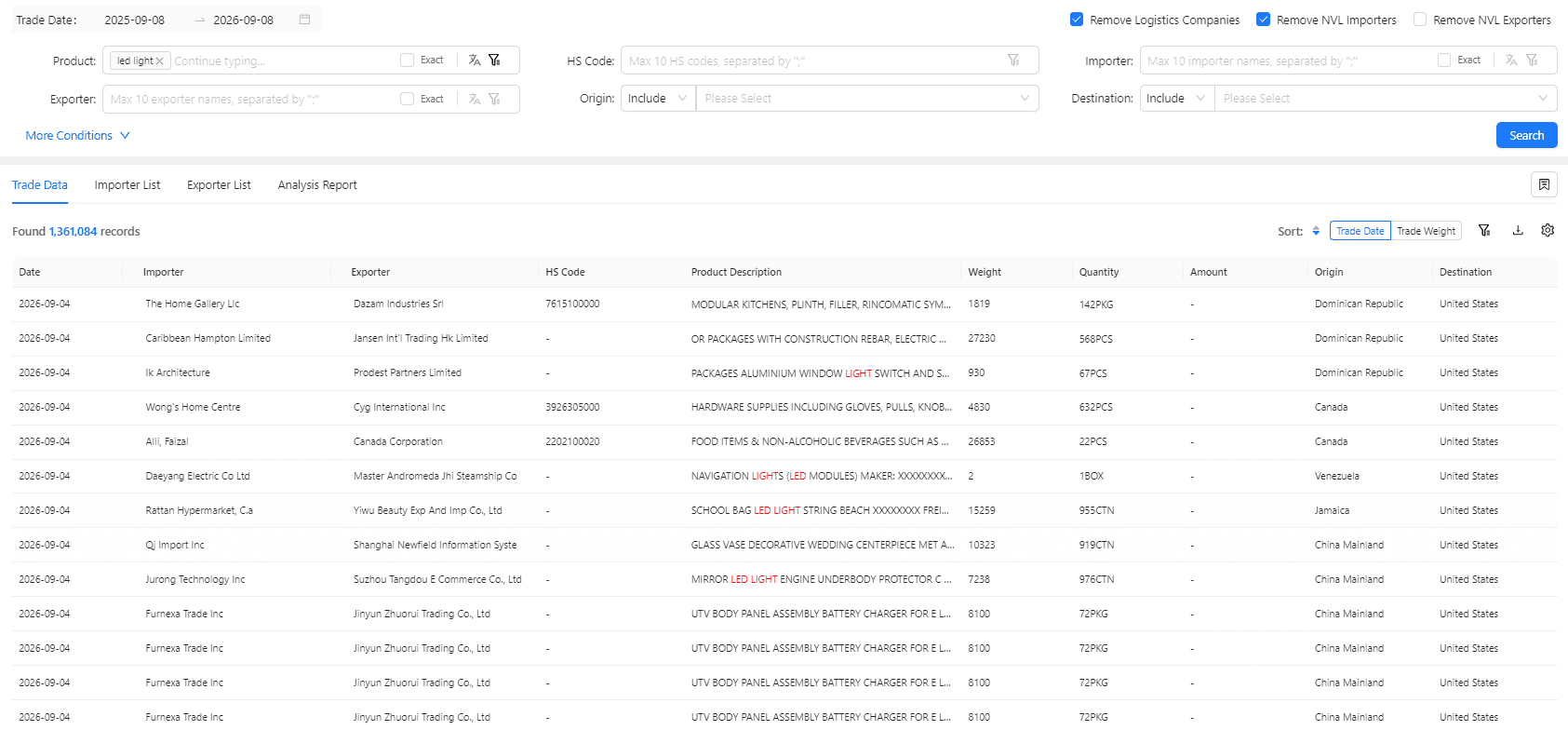
Unlike traditional customer research, it allows sales teams to see actual trade activity — who is buying, what they are buying, how often they buy, and where their products come from.
This makes it possible to identify companies with real purchasing activity instead of simply building prospect lists based on assumptions.
But there is one problem:
Not all Global customs data is created equal.
Different providers can vary significantly in data coverage, update frequency, accuracy, contact information, usability, and pricing.
So before choosing a Global customs data provider, what should exporters actually look at?
Here are five questions worth asking.
1. Is the data worth what you are paying for?
Price is often the first thing companies compare when choosing Global customs data.
But the cheapest option is not necessarily the most cost-effective, and the most expensive one is not necessarily the best.
Instead of looking at the subscription price alone, consider the overall value you receive:
- How much data can you access?
- How many markets are covered?
- How frequently is the data updated?
- What search and filtering capabilities are available?
- Can you identify and analyze potential buyers efficiently?
- Does the provider offer support when you have questions?
For small and medium-sized exporters, cost-effectiveness is particularly important.
A good Global customs data solution should provide enough coverage and useful functionality without creating an unnecessarily high data acquisition cost.
TradeSaya Global Import-Export Intelligence focuses on providing cost-effective Global customs data, helping businesses access global trade information at a more manageable cost.
>>> Request a Free Demo of TradeSaya <<<
The goal is not to find the cheapest data. It is to find the data that delivers the most practical value for your budget.
2. Does the data cover the markets you want to develop?
Having a large database does not necessarily mean having the right database.
Different countries have different customs regulations and levels of data availability. As a result, the coverage and depth of Global customs data can vary considerably between providers.
Before choosing a provider, ask:
- Does it cover your target markets?
- How many countries and regions are available?
- Can you search buyers by product or HS code?
- Is the coverage stable and continuously maintained?
This is particularly important for exporters developing multiple overseas markets.
TradeSaya covers import and export trade data across 200+ countries and regions, giving sales teams a broader view of global trade activity and helping them explore potential buyers across different markets.
Ultimately, data coverage should be evaluated based on where you actually want to sell, not simply on how large the database sounds.
3. How frequently is the data updated?
A buyer who imported your product several years ago may no longer be an active buyer today.
Meanwhile, a company that has recently started importing similar products could represent a much more valuable opportunity.
This is why update frequency matters.
When evaluating Global customs data, ask:
- How often is the data updated?
- How quickly are new trade records added?
- Can you identify recent purchasing activity?
- Is the update schedule consistent?
TradeSaya updates its Global customs data at least weekly, helping users keep track of recent trade activity and identify newly active buyers and emerging purchasing demand.
For B2B sales, this can make a significant difference.
The more current the purchasing information is, the more relevant it is to your customer development efforts.
Detailed data that is outdated can still be useful for research, but it becomes much less valuable when the goal is to find active buyers.
4. Can you verify the data and understand whether a buyer is actually relevant?
Data volume alone does not determine data quality.
What matters is whether the information is accurate, reliable, and useful for making sales decisions.
One practical way to evaluate Global customs data is to test it with companies you already know.
This helps you understand whether the data reflects real business activity.
But there is another factor that is often overlooked: support.
Even high-quality Global customs data can be difficult to use if salespeople do not know how to search, filter, interpret, or verify the information.
A good provider should therefore offer more than database access.
It should also provide data usage guidance, search techniques, customer development suggestions, and ongoing support when users encounter problems.
Because the real value of data is not simply having access to it.
It is knowing how to turn it into actionable information.
5. Can you go from finding the buyer to reaching the right person?
This is where many sales teams encounter another bottleneck.
Global customs data can tell you which company is importing your product, but finding the company is only the first step.
The next question is:
Who should you actually contact?
If salespeople have to manually search for a contact every time they identify a potential buyer, the process can become slow and inefficient.
And even after spending time searching, they may only find:
- Generic email addresses
- General sales inboxes
- Unverified phone numbers
- Contacts with no clear purchasing responsibility
For this reason, a more complete Global customs data solution should help connect trade activity with key business contacts.
TradeSaya can help users identify key contacts and decision-makers, including business emails, phone numbers, and WhatsApp where available.
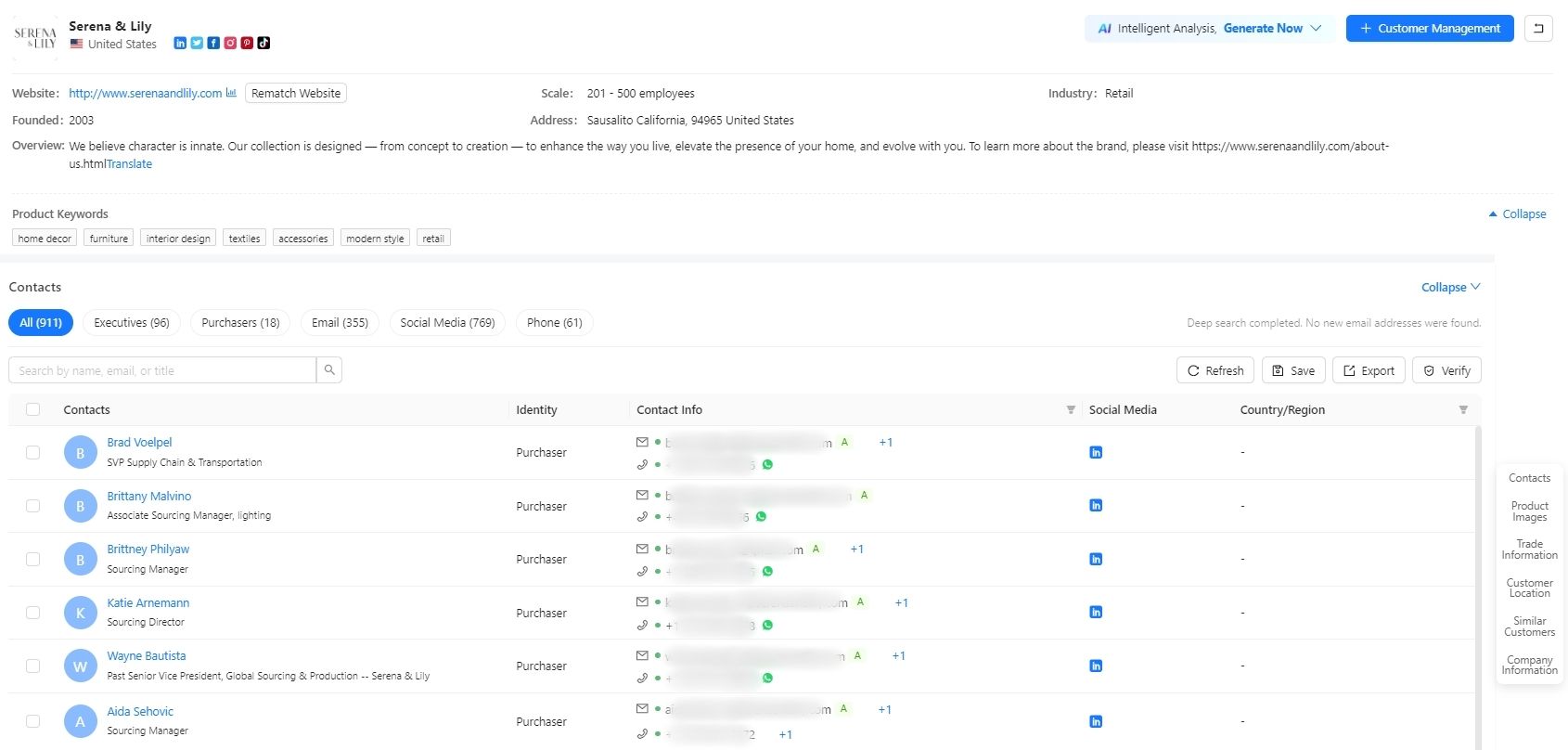
This allows sales teams to spend less time searching for contact information and more time developing qualified prospects.
Because ultimately, the purpose of finding a buyer is not simply to know that the company exists.
It is to start a meaningful conversation with the right person.
>>> Request a Free Demo of TradeSaya <<<
So when choosing data, you need to look carefully, compare your options based on your actual needs, and choose the data that is truly right for your business.
Only when you choose the right data and use it in the right way can it truly deliver value — helping you identify real demand, find more relevant buyers, and make customer development more efficient.