How to Find US Valve Buyers with Customs Data - TradeSaya
The United States is a major import market for valve-related products.
According to UN Comtrade data available through WITS, US imports under HS 848180 reached approximately $10.99 billion in 2025, up about 3.45% from 2024.
These figures point to a market worth exploring for valve suppliers looking to grow their overseas business. But a large market does not make winning orders easy.
How do you enter the US market? Which companies are buying your products? And once you find importers, how do you decide which ones are worth approaching?
With TradeSaya, exporters can start with actual trade records, find relevant buyers, and learn more about their business before making contact.
Enter a product keyword or HS code in TradeSaya, select the United States, and choose a recent date range to find companies with valve import records.
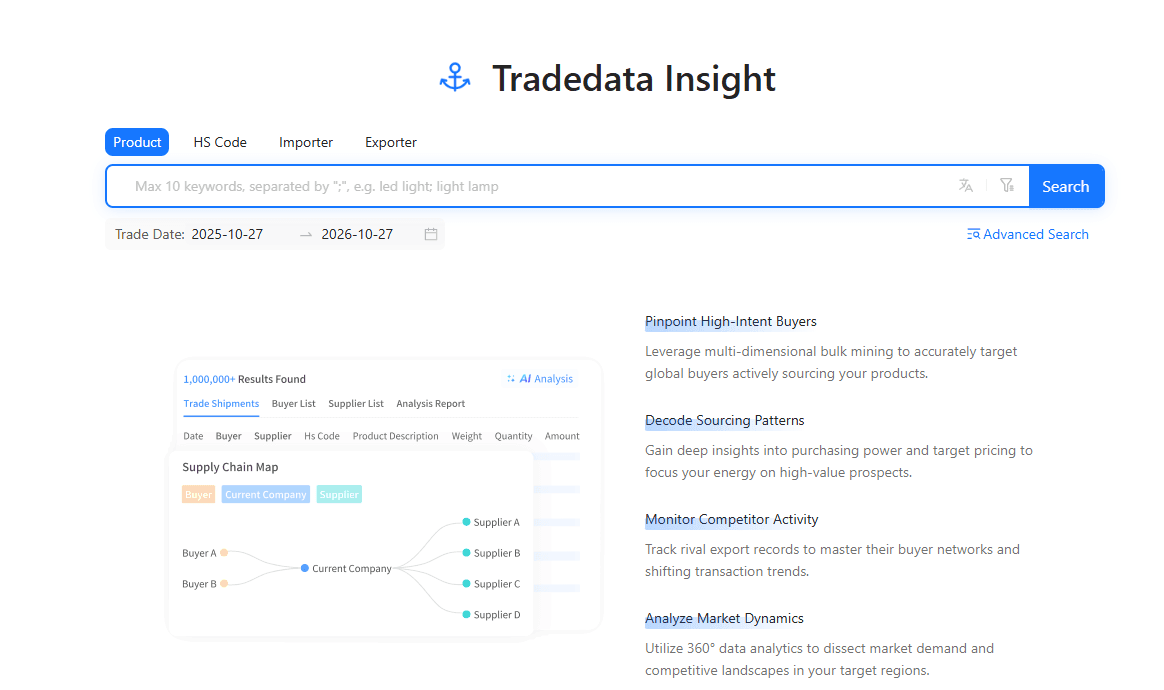
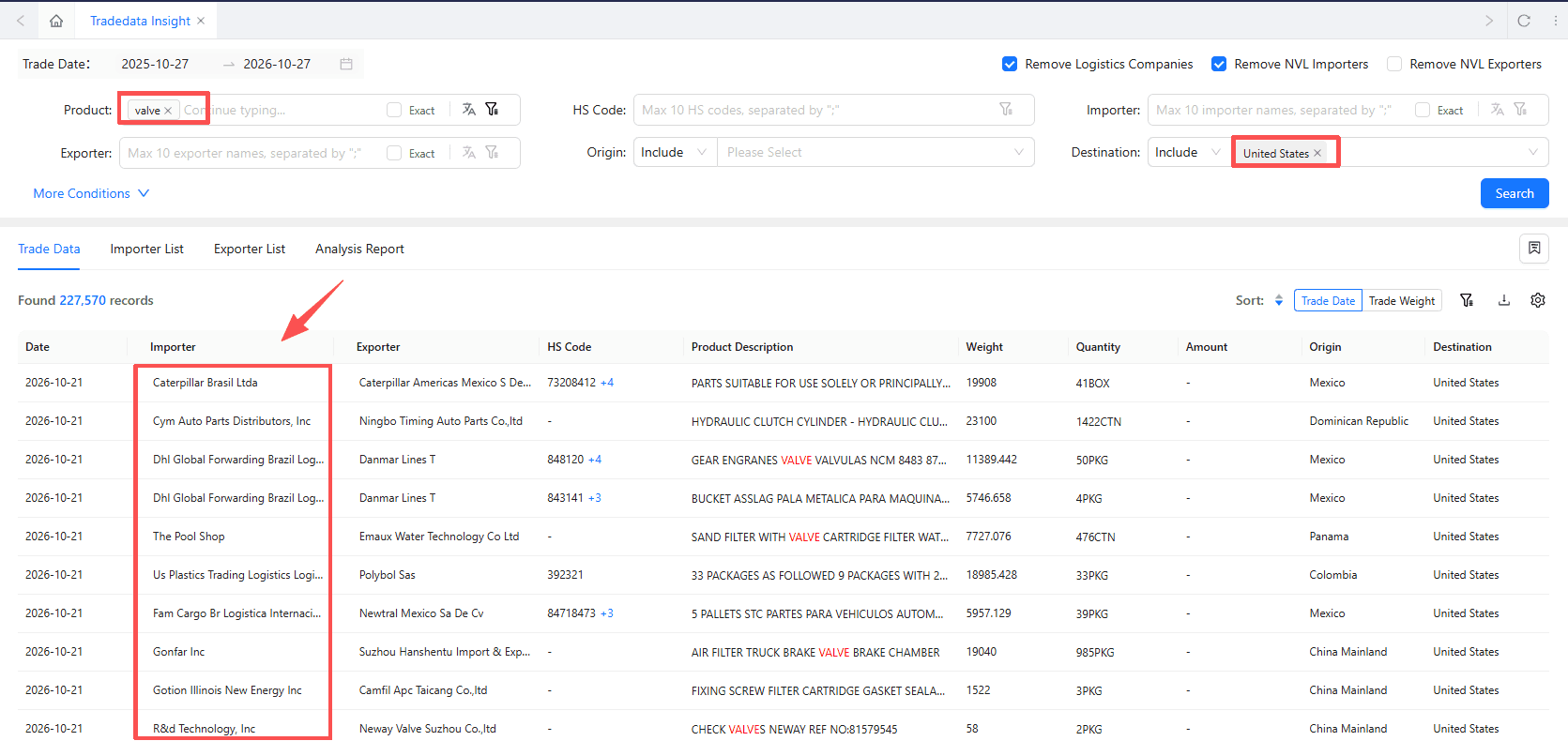
Compared with a company directory alone, customs data gives you evidence of actual trade activity. It helps you see which companies have recently imported relevant products, what they purchased, and which suppliers they worked with.
However, not every valve importer is the right customer for your business. Some buy different specifications. Others place orders beyond your production capacity or serve markets that do not match your products.
TradeSaya helps you look closer and decide which buyers deserve your time.
1. Company Profiles: Check Whether the Buyer Fits Your Business
TradeSaya brings together company names, websites, industries, company sizes, founding dates, and business descriptions.

This information helps you build an initial picture of the buyer. Is it a valve distributor, a brand owner, an equipment manufacturer, or an engineering company? Does its business match the products you supply?
Understanding the buyer’s role in the supply chain also helps you plan your approach. A distributor may focus on product range and steady supply, while an equipment manufacturer may need more detailed discussions about specifications and product fit.
2. Purchasing History: Understand Buying Capacity and Preferences
TradeSaya provides purchasing information such as frequency, trends, value, quantity, and countries of origin, where available.
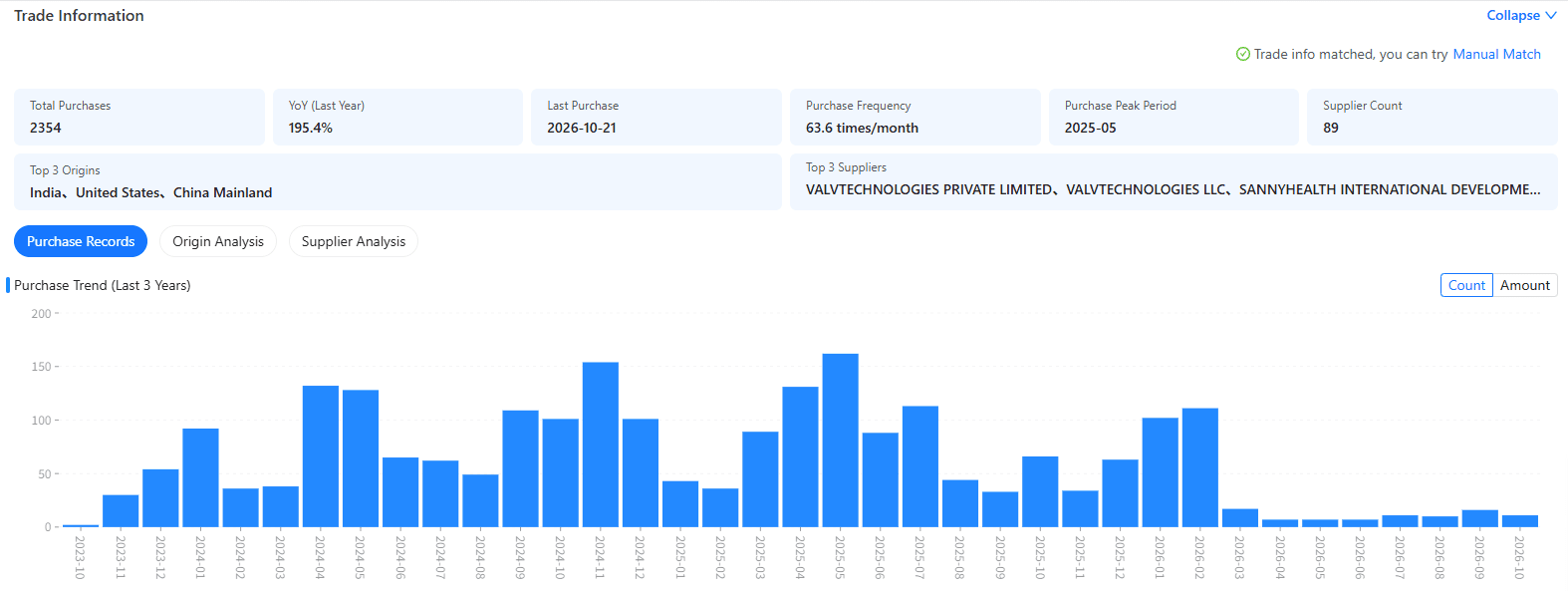
You can use these records to explore:
- Does the buyer regularly purchase valve products relevant to your business?
- Does its purchasing volume match your capacity and order requirements?
- Has its recent purchasing activity increased, decreased, or stayed steady?
- Which countries does it mainly source from?
- Do product descriptions show preferences for certain materials, specifications, or uses?
These details help you focus on buyers whose product needs and purchasing patterns are a better match for your business.
3. Main Suppliers: Find Your Competitive Advantage
Knowing who already supplies the buyer helps you answer an important question:Why should this buyer consider working with you?
Use TradeSaya to review the buyer’s main suppliers. Then look at those suppliers’ websites, product catalogs, and market focus to compare their offer with yours.
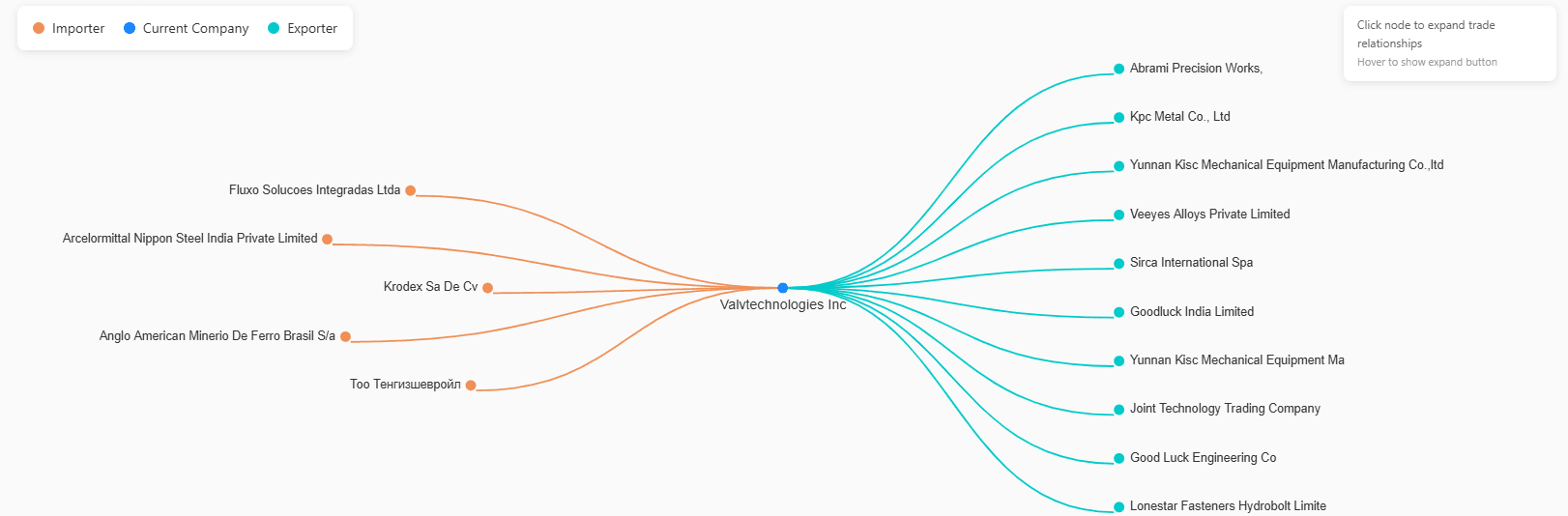
You may find an advantage in product range, technical support, delivery times, custom production, or flexible order sizes.
For example, if the buyer’s current suppliers mainly offer standard products and you can handle small custom orders, you could approach the buyer about specific requirements. If you supply related products the buyer already purchases, you could introduce a broader supply option.
Supplier research helps you give the buyer a clear reason to talk with you and connect your strengths to its business needs.
4. Supply Chain Changes: Decide When and How to Follow Up
Beyond the current supplier list, it helps to see whether those relationships are changing.
With TradeSaya, you can look for signals such as new suppliers, fewer recent records from an existing supplier, or changes in how purchases are spread across suppliers.
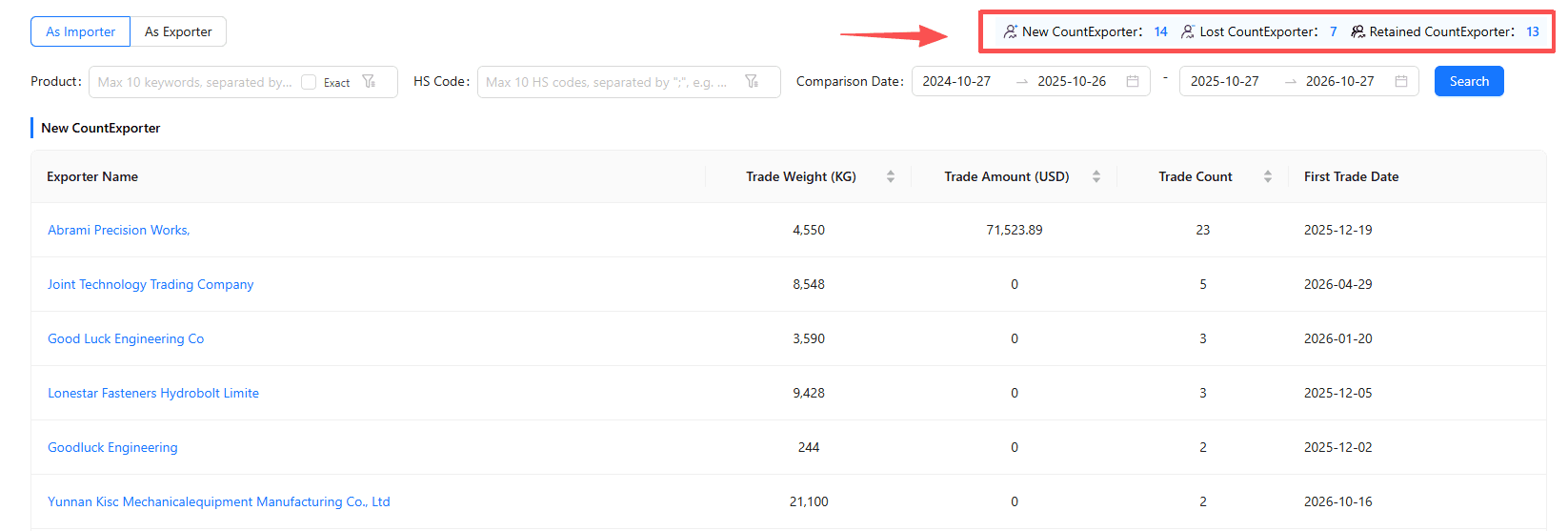
If a buyer has recently started working with new suppliers, it may be worth asking about its supplier review process and introducing your relevant strengths. If purchases from an existing supplier have fallen, you can investigate whether there may be room for an additional source.
These changes are useful research signals, although they do not confirm that the buyer is looking for a replacement supplier.
If the buyer’s supply chain has stayed stable, you can take a longer-term approach. Share relevant product information, follow up at reasonable intervals, and build a relationship over time.
5. 3D Street View: Look at the Buyer’s Business Location
The 3D Street View feature lets you explore the surroundings of a buyer’s address and get a clearer picture of its business location.
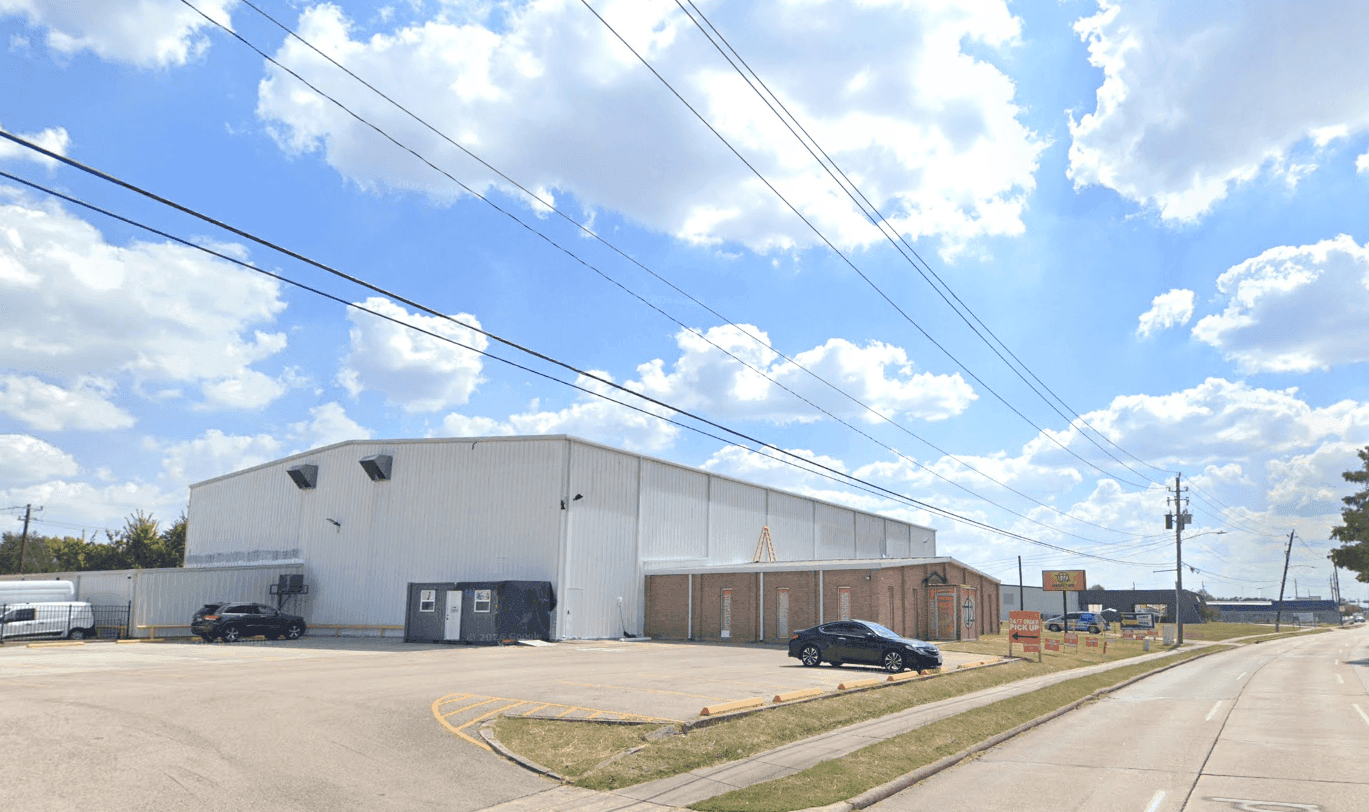
Is the address in an industrial area, a warehouse district, or an office building? Do the visible buildings, signs, and surroundings fit the company’s business description?
Combined with the company website, profile, and trade records, street view adds another useful way to check the buyer’s background and understand how it operates.
6. Decision-Maker Contacts: Turn Research into Conversations
Once you have identified a target buyer, the next step is to reach the people responsible for the business.
TradeSaya provides available names, job titles, email addresses, phone numbers, and WhatsApp details for purchasing staff, business owners, executives, and other key decision-makers.
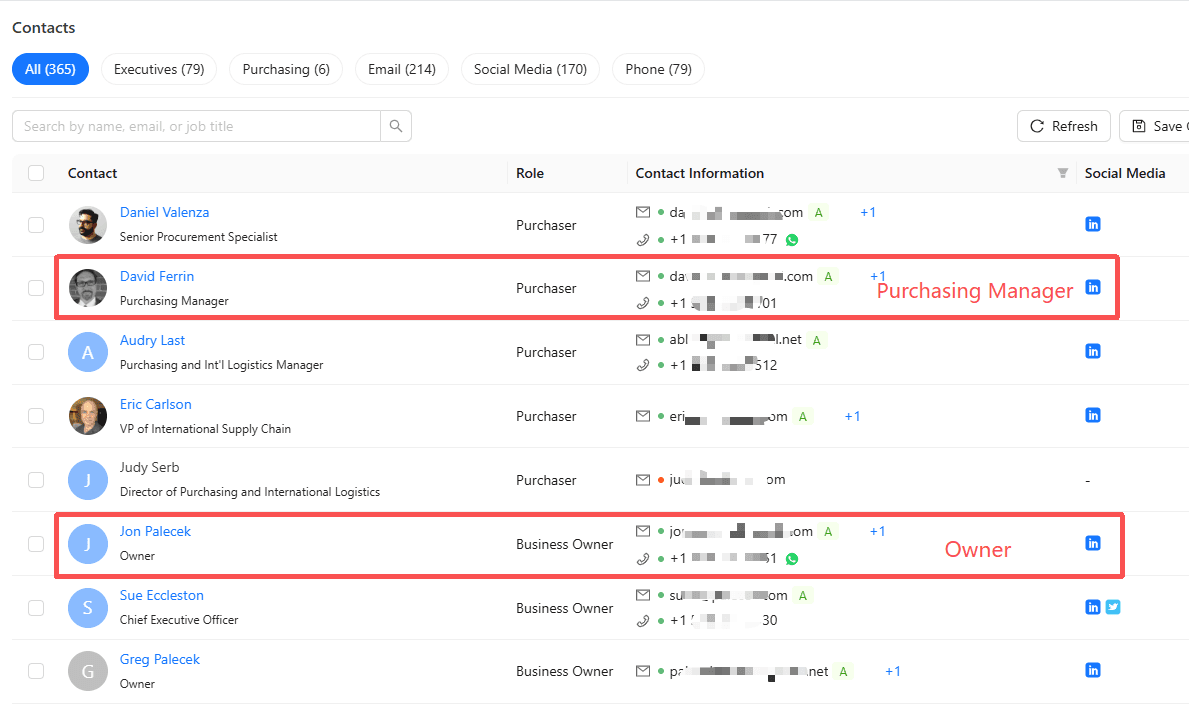
Adjust your message to the person’s role:
- Purchasing staff: Focus on relevant products, consistent quality, lead times, and supply terms.
- Business owners and executives: Explain how your products and supply capabilities could support their business.
- Supply chain managers: Discuss delivery reliability, additional supply capacity, and sourcing options.
Use what you have learned about the company, its purchases, and its suppliers to write a more relevant first message. Where appropriate, follow up through email, phone, or WhatsApp to improve your chances of reaching the right person.
A clear, relevant message makes it easier for the buyer to understand what you offer and why a conversation could be useful.
Start Finding Your US Valve Buyers with TradeSaya
The size of the US valve import market gives exporters a strong reason to explore it. Turning that opportunity into business starts with finding relevant buyers, checking their fit, understanding their suppliers, and reaching the right decision-makers.
TradeSaya combines customs data with buyer insights to support each step—from product searches and buyer research to planning your first contact.