How to Use Customs Data to Monitor Existing Customers and Prevent Buyer Loss-TradeSaya

Winning a new international buyer can take months.
You research the company, prepare samples, negotiate prices, complete audits, and build trust before receiving the first meaningful order.
But after the relationship is established, another risk appears:
The customer may gradually move orders to another supplier without telling you.
A buyer rarely announces that your share of its purchasing is declining. You may only notice when orders become smaller, purchase intervals grow longer, or inquiries suddenly stop.
By that time, the buyer may already have developed a new supplier.
Your own sales records show what the customer buys from you. Customs data can provide a broader view of what the customer is buying from the global market.
Depending on available records, you may be able to see:
- The buyer’s overall import frequency
- Changes in shipment volume
- Products purchased from other suppliers
- New suppliers entering its supply chain
- Changes in sourcing countries
- New product categories or specifications
These signals can help exporters recognize potential customer loss earlier and respond with more relevant account strategies.
Here is how customs data can support key customer monitoring.
1. Compare Your Orders with the Buyer’s Total Purchasing Activity
A decline in your orders does not always mean that the buyer’s overall demand is falling.
The buyer may still be purchasing the same product but allocating more orders to another supplier.
For example, suppose a customer previously placed one order with you every month. It now places an order every two or three months and explains that market demand is weak.
If customs records show that its total import volume has also declined, the explanation may be reasonable.

But if its total imports remain stable—or continue to grow—while your orders decrease, the buyer may be shifting part of its purchasing to other suppliers.
This distinction matters.
Without broader trade data, you may assume that the customer’s market is slowing down. With customs data, you can investigate whether the change affects the entire business or only your supplier relationship.
Useful questions include:
- Is the buyer’s total import volume rising or falling?
- Does it continue to import your product category?
- Has your order frequency declined faster than its overall purchasing activity?
- Are other suppliers receiving shipments that previously came from you?
- Is the buyer purchasing similar products under different descriptions or HS codes?
The goal is not to challenge the buyer with individual shipment records.
The goal is to understand the situation before deciding how to respond.
TradeSaya helps exporters review buyer purchasing activity, shipment trends, products, and supplier relationships in one place.

>>> Get a Free Demo of TradeSaya <<<
2. Watch for Changes in Purchase Frequency and Volume
Customer loss does not always happen at once.
In many cases, it appears as a series of small changes.
A buyer that previously purchased every month may begin ordering every six weeks. Shipment volume may fall gradually. Seasonal orders may arrive later than usual, or the buyer may stop purchasing a product it once ordered regularly.
One change may not mean much. A repeated pattern deserves attention.
Customs data can help you monitor signals such as:
- Longer intervals between purchases
- Smaller shipment quantities
- Declining purchase volume over several periods
- Missing orders during a normal purchasing season
- Reduced activity in a core product category
- A sudden pause after a long period of regular imports
These patterns should not automatically be treated as proof that a customer is leaving.
Demand may be affected by inventory levels, cash flow, seasonality, local market conditions, or changes in the buyer’s own customers.
However, the earlier you identify the pattern, the earlier you can start a useful conversation.
Instead of sending a generic message such as “Do you have any new orders?”, you can ask more relevant questions:
- Has demand for this product changed in your market?
- Are you adjusting inventory levels or purchasing schedules?
- Are there new specifications or price targets we should consider?
- Could a different MOQ or delivery plan better support your current needs?
A well-timed conversation may reveal a problem while there is still an opportunity to solve it.
3. Monitor New Suppliers Entering the Buyer’s Supply Chain
One of the clearest signals in customs data is the appearance of a new supplier.
A new supplier does not necessarily mean that you are about to lose the customer. Buyers add suppliers for many reasons:
- To compare prices
- To reduce supply chain risk
- To test a new product
- To increase available capacity
- To source from another country
- To obtain a different specification
- To create a backup supply option
The important question is not simply whether a new supplier has appeared.You need to understand how the relationship develops.
Look at:
- Which products the new supplier is providing
- How frequently it is shipping
- Whether its shipment volume is increasing
- Whether its growth corresponds with a decline in your orders
- Whether the buyer is testing several suppliers or concentrating on one
- Whether the new supplier comes from a different sourcing country
A single trial shipment may not require immediate action.
But if the new supplier begins shipping regularly and receives increasing volume, the buyer may be reallocating its purchasing.
At that point, exporters should review their own position:
- Is the competitor offering a lower price?
- Does it provide a product or specification you do not currently offer?
- Can it deliver faster?
- Is the buyer concerned about your quality, service, or supply stability?
- Is the buyer deliberately diversifying its supply chain?
Customs data may not explain the buyer’s exact motivation, but it can reveal when a change is taking place.
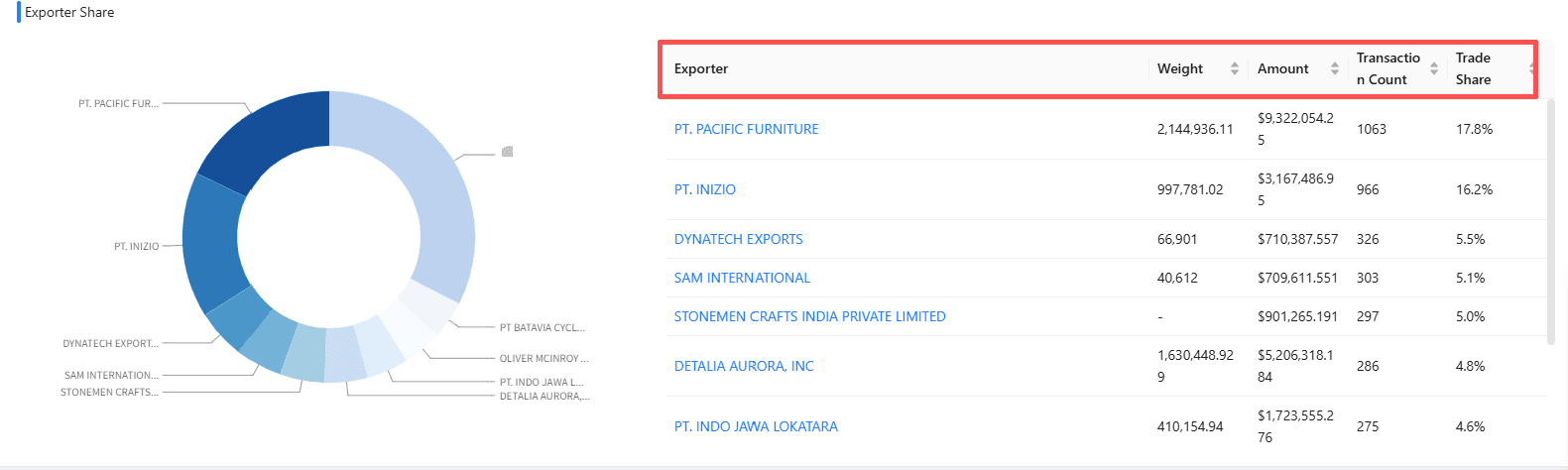
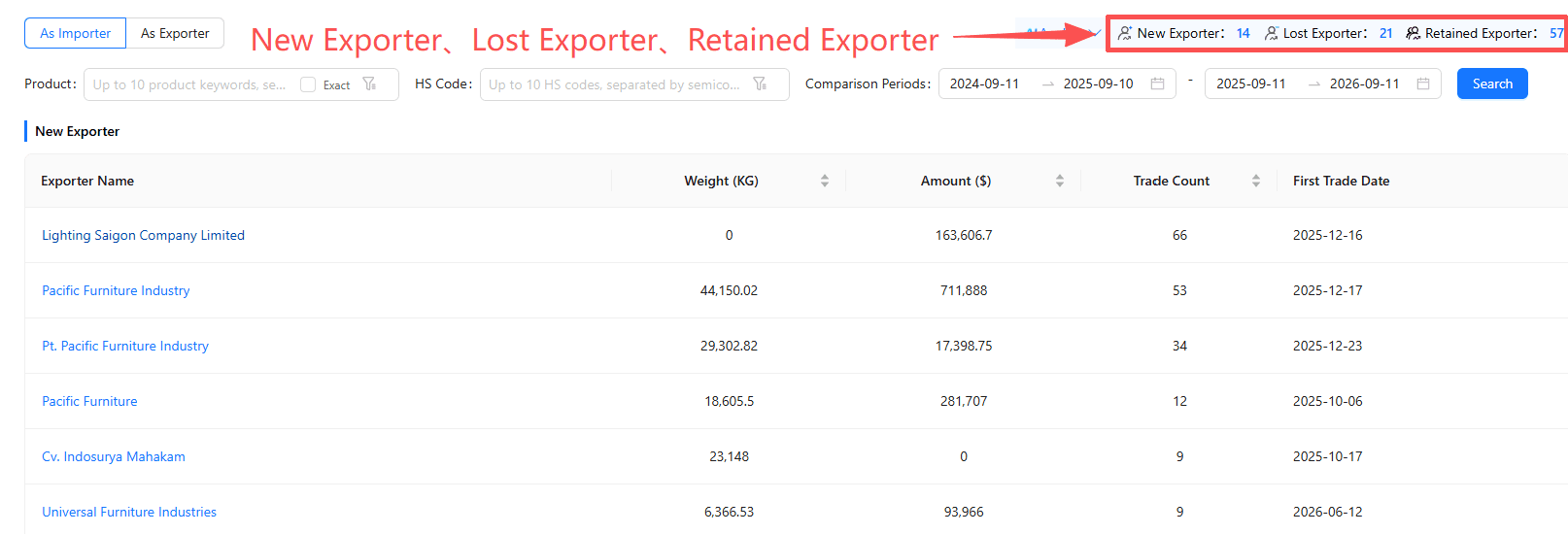
With TradeSaya, users can review a buyer’s existing and historical suppliers and observe how those relationships develop over time.
>>> Get a Free Demo of TradeSaya <<<
4. Discover New Products the Customer Is Buying
Customer monitoring is not only about preventing loss.
It can also reveal opportunities to grow the account.
A buyer may be importing products from other suppliers that your company can also produce. It may have added new specifications, materials, sizes, or related product categories without requesting a quotation from you.
By reviewing the buyer’s wider purchasing activity, you may discover:
- Related products supplied by other companies
- New product categories appearing in recent shipments
- Specifications that are missing from your current orders
- Higher-value products the customer has started purchasing
- Products sourced from countries where you may have a cost or delivery advantage
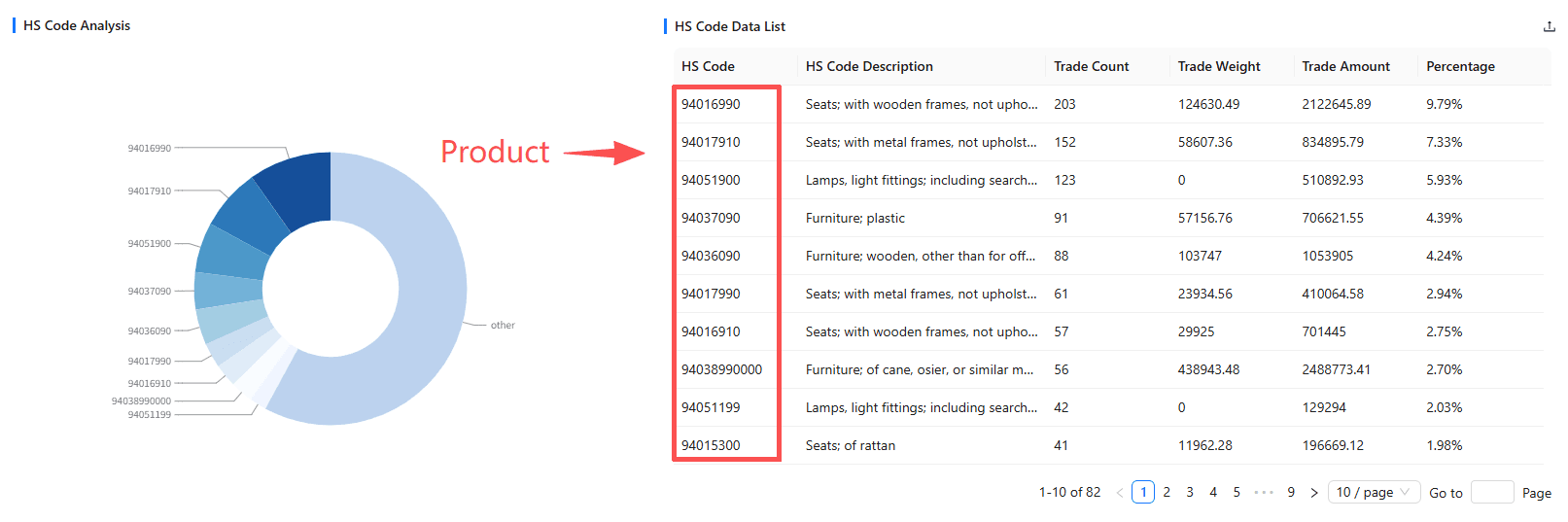
Suppose you supply standard stainless steel fittings to a customer, but its recent records show growing purchases of customized fittings from another supplier.
That may indicate an opportunity to present your customization capabilities.
The right approach is not:“We saw that you bought this product from another supplier.”
A better approach is:“We have recently expanded our capabilities in customized stainless steel fittings. If this category is relevant to your current sourcing plans, we would be happy to prepare specifications and samples for your review.”
Customs data provides the signal. Your product capability and communication turn that signal into an opportunity.
5. Turn Trade Signals into Timely Customer Action
Data is valuable only when it leads to appropriate action.
TradeSaya brings shipment activity, purchasing trends, supplier relationships, buyer information, and available decision-maker contacts together in one platform.
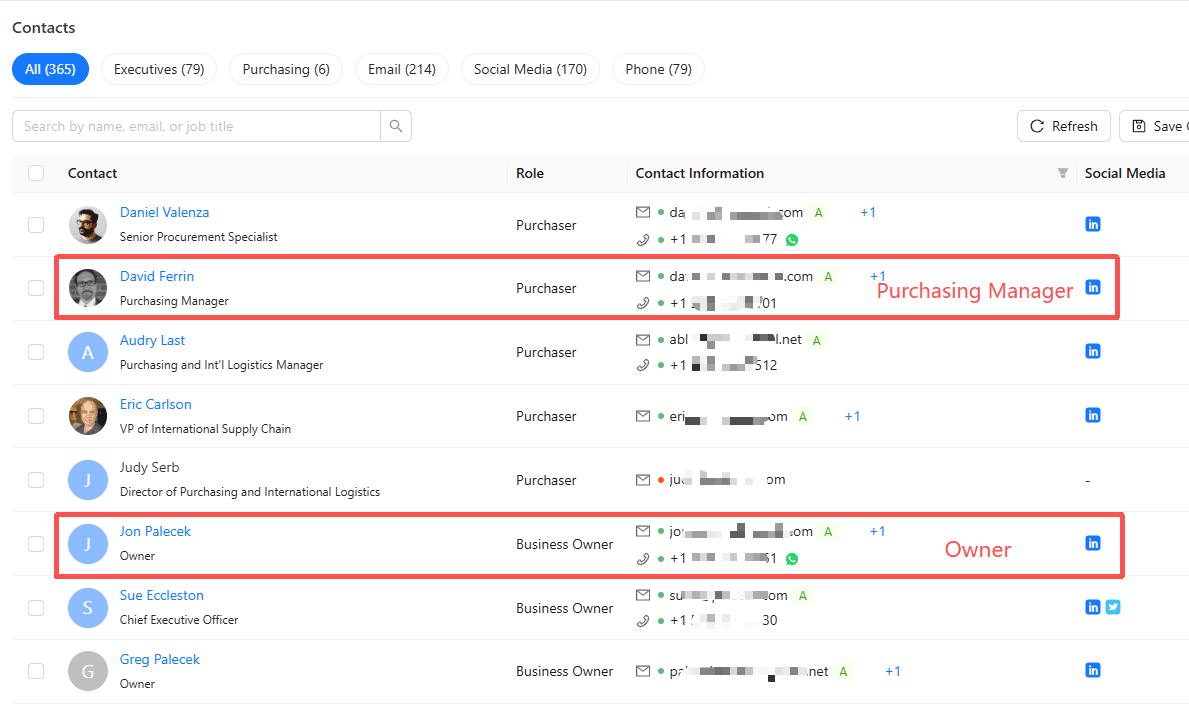
This helps exporters move from simply noticing that an order is late to understanding what may be changing in the buyer’s wider purchasing activity.
The purpose is not to react to every shipment.
It is to recognize important patterns early enough to protect and grow the customer relationship.
Final Thoughts: Do Not Wait Until the Orders Stop
Most exporters pay close attention to finding new buyers.
But an existing customer that already understands your products, quality, and working process may be even more valuable.
The problem is that customer relationships can weaken gradually and quietly.
Customs data gives exporters another perspective. It can help you see whether a buyer’s demand is changing, whether new suppliers are entering the relationship, and whether new product opportunities are emerging.
Use trade activity to identify the signal, understand the reason, and take action while there is still an opportunity to strengthen the relationship.