What Is Global Trade Data and How Can It Help You Find Buyers?-TradeSaya
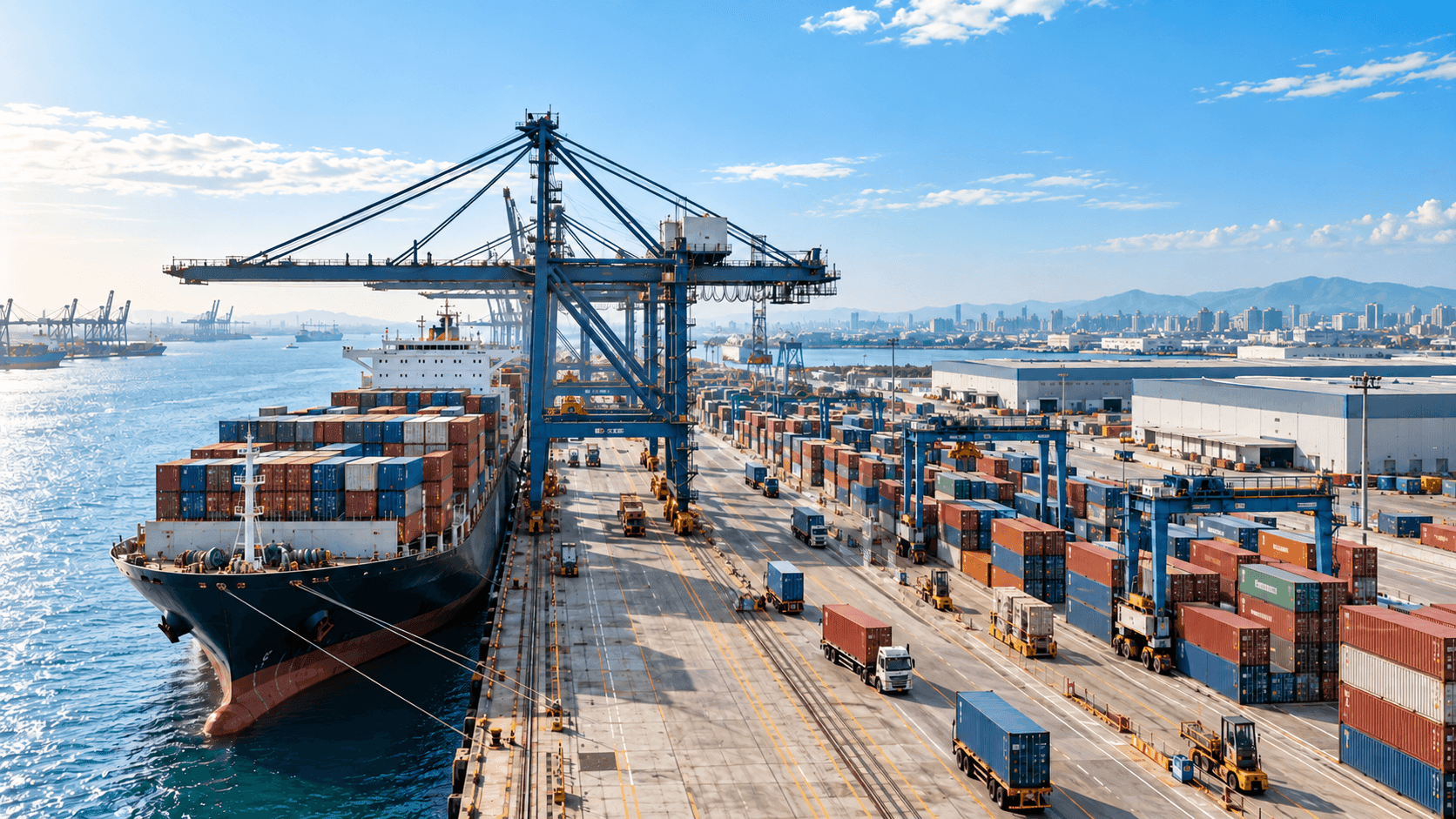
Every day, products move between countries, ports, suppliers, and buyers.
Each shipment may leave behind useful information, such as the product name, buyer, supplier, quantity, value, shipment date, and trade route.
Together, these records are known as global trade data.
But for exporters and international sales teams, having access to data is only the first step.
The real questions are:
- Which markets should we focus on?
- Which companies are buying products like ours?
- Is a buyer looking for new suppliers?
- What are our competitors doing?
- When is the right time to contact a buyer?
Trade data intelligence helps businesses answer these questions by turning large amounts of trade data into useful sales information.
What Is Global Trade Data?
Global trade data comes from import, export, customs, and shipping records.
The information available is different in each country, but it may include:
- Importer and exporter names
- Product names and descriptions
- HS codes
- Shipment dates
- Quantity, weight, and value
- Country of origin and destination
- Ports and shipping routes
- Past transactions between buyers and suppliers
This data helps businesses see what is actually happening in the market.
For example, a machinery exporter that wants to enter Southeast Asia can use trade data to see which countries are importing its products, how much they are buying, which companies are active, and where the products are coming from.
This is different from using a company directory or a general lead list.
A directory may tell you that a company works in your industry. Trade data can show whether that company is actually buying your type of product.
However, finding the data does not mean you have found the answer.
You still need to understand which markets are worth entering, which buyers are a good match, and which changes may point to a new sales opportunity.
What Is Trade Data Intelligence?
Trade data intelligence means organizing and studying trade records so they can support business and sales decisions.
In simple terms:
- Global trade data shows you what happened.
- Trade data intelligence helps you understand what it may mean and what you can do next.
Raw trade data can include millions of records from different countries and sources. Checking these records one by one takes time, and important changes can be easy to miss.
Global trade data and buyer intelligence tools like TradeSaya help organize this information so businesses can find market trends, active buyers, supplier changes, and possible sales opportunities more easily.
For example, one trade record may show that a buyer has ordered from a new supplier.
By itself, that may not mean much.
But if the buyer’s purchase volume is growing, its orders from its main supplier are falling, and several new suppliers have recently appeared, the situation becomes more interesting.
It does not prove that the buyer will change suppliers. But it may show that the buyer is testing new options and could be worth contacting.
This is the difference between simply looking at trade records and using trade data to guide sales decisions.
Find Markets with Real Demand
Before entering a new market, many companies look at industry reports, online search trends, or advice from other exporters.
These sources can be useful, but they may not show what buyers are purchasing right now.
Trade data can help businesses compare:
- Import volumes in different countries
- The number of active buyers
- How often products are imported
- Whether demand is growing or falling
- Which countries buyers purchase from
- How strong the current suppliers are
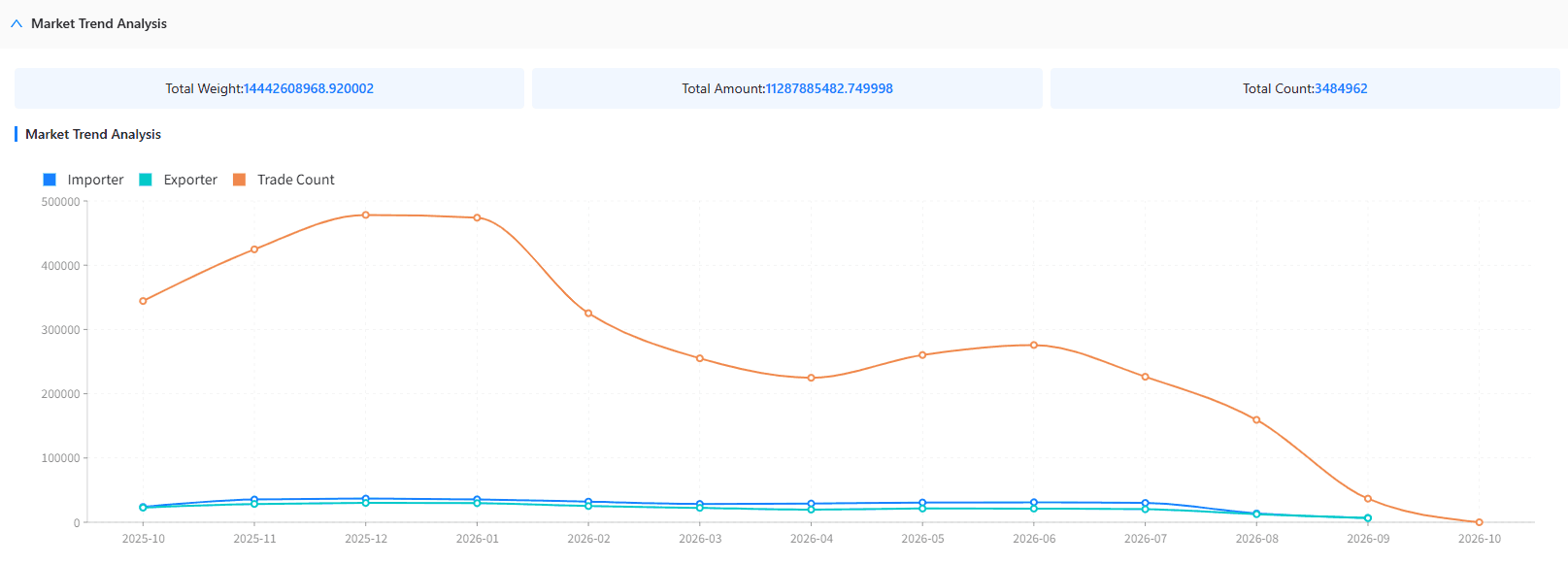
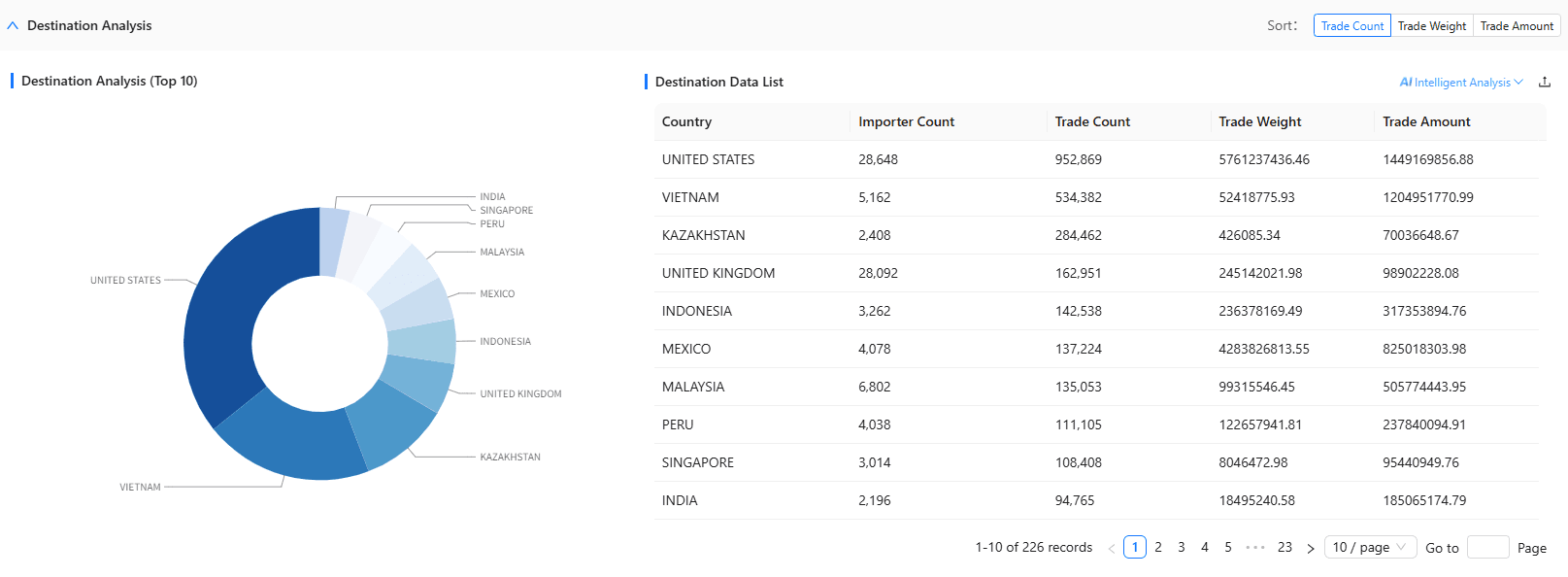
A country with a high import value is not always the best market to enter.
Demand may be falling, or most buyers may have long-term relationships with a small group of suppliers. This can make it difficult for a new exporter to enter the market.
A smaller market may offer a better opportunity if its import volume is growing, more buyers are becoming active, and companies are starting to work with new suppliers.
Trade data helps businesses focus their time and budget on markets with real buying activity instead of choosing countries based only on assumptions.
Find Companies That Are Actually Buying
Many sales teams use search engines, trade show lists, and company directories to find customers.
The problem is that these sources do not always show whether a company is still buying or whether it needs your product.
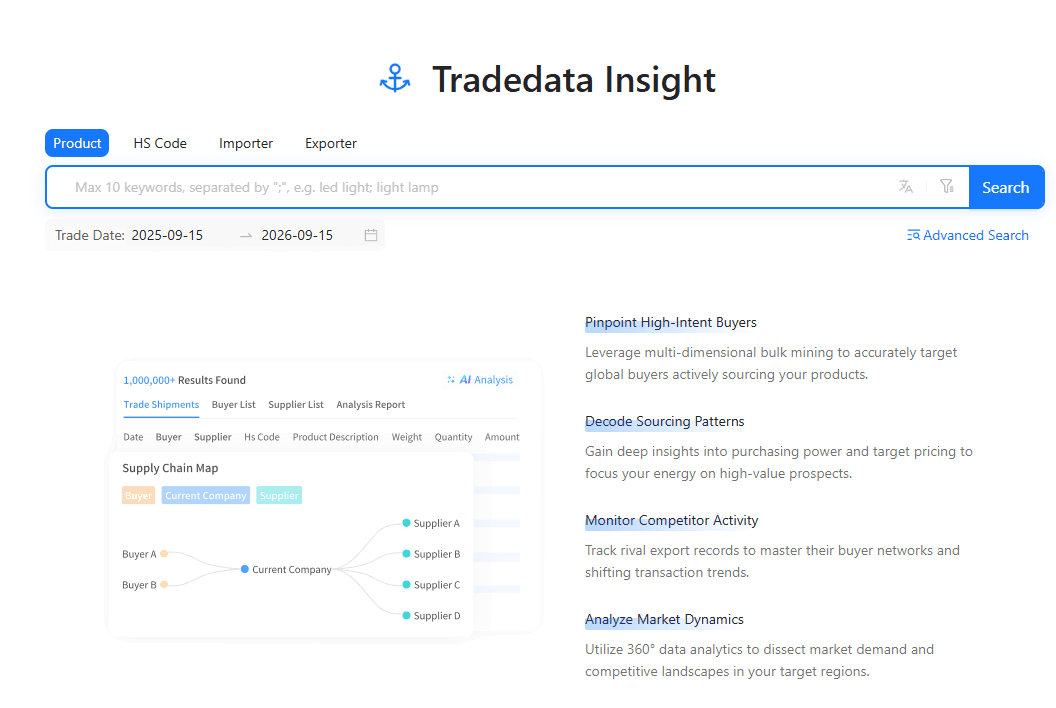
With a trade data platform,like tradesaya,businesses can search by product keyword, HS code, country, and time period.
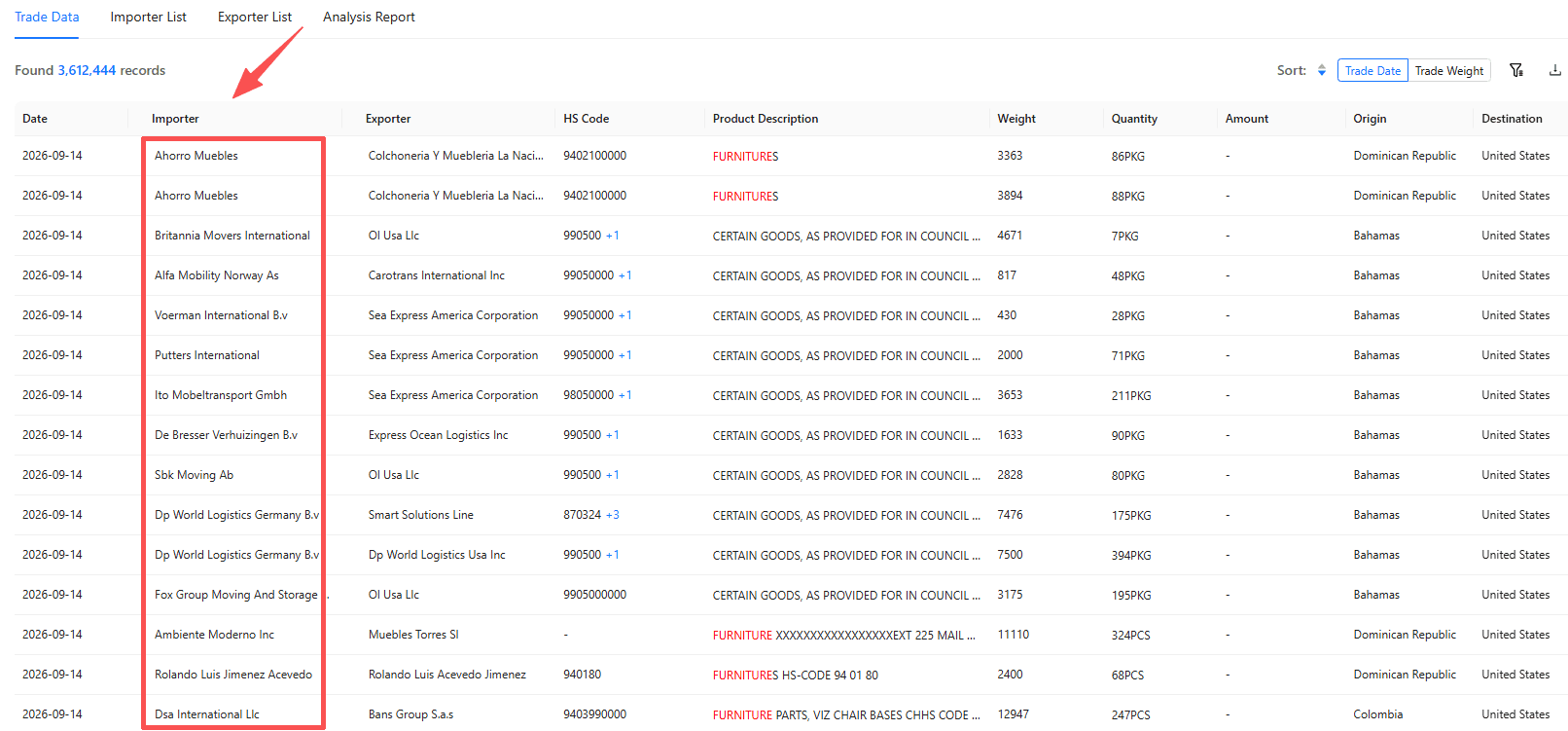
They can then check:
- Whether the company has imported recently
- Whether it buys the right products
- How often it places orders
- How large its orders are
- Which countries it buys from
- Which suppliers it works with
- Whether its buying volume is growing or falling
This gives the sales team a more focused list of companies based on real buying activity.
For example, a large company may look attractive but have no recent imports.
A smaller company may be increasing its orders and testing several new suppliers.
The smaller company may actually be the better sales opportunity.
This is why companies should not judge a buyer only by its size. Recent buying activity and supplier changes can be more useful signs.
Understand How a Buyer Purchases
Finding the right company is only the beginning.
Sales teams also need to understand how the buyer normally purchases, what it buys, and which suppliers it works with.
Past trade records can help answer questions such as:
- When does the buyer normally place orders?
- How often does it buy?
- How large are its usual orders?
- Does it depend on one main supplier?
- Has it recently added new suppliers?
- Is it starting to buy new products or specifications?
- Has its buying pattern changed?
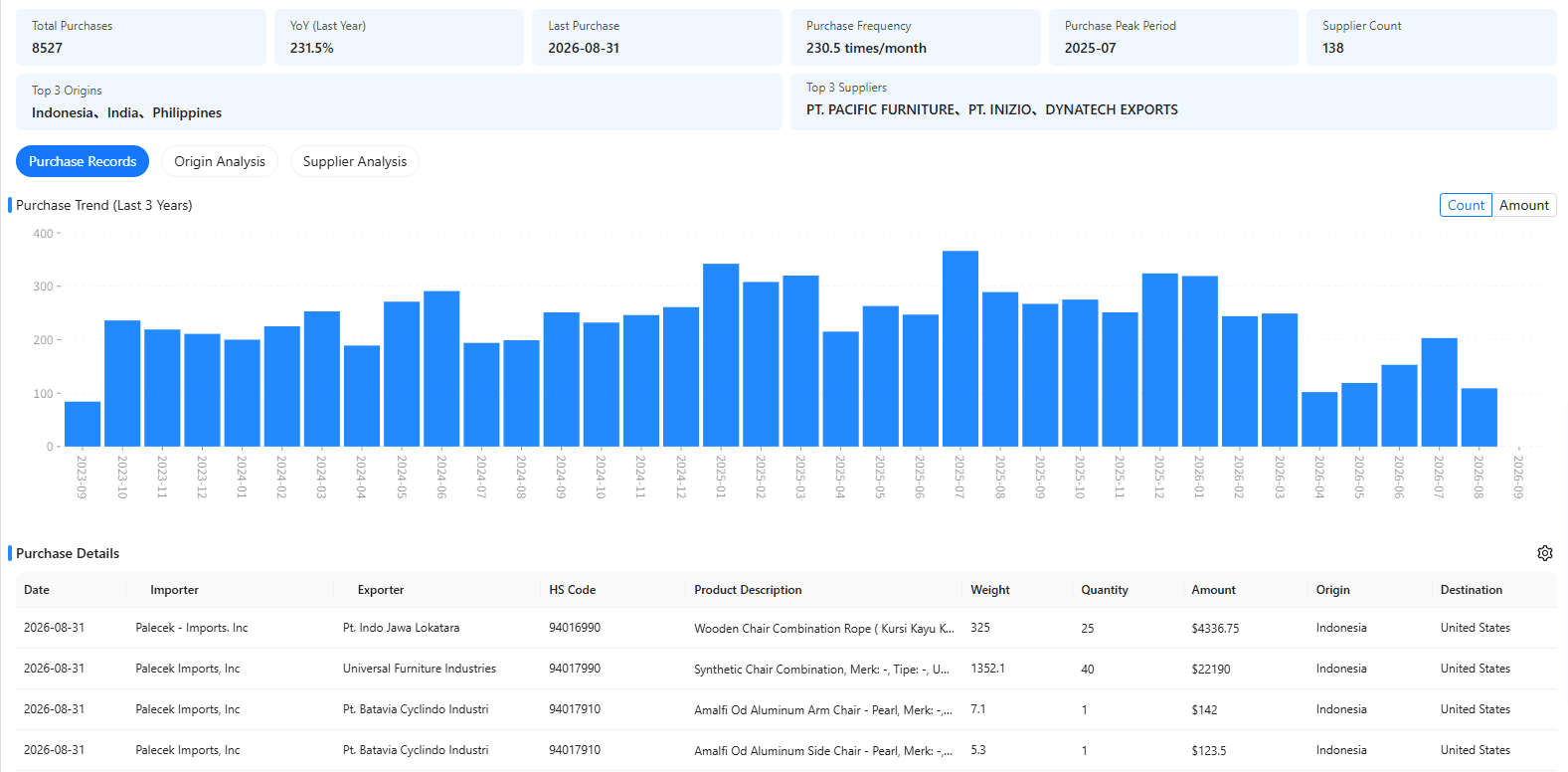
This information can help salespeople choose a better time to make contact.
For example, if a buyer usually places an order every three months and its next buying period is approaching, it may be a good time to reach out.
If the buyer has started importing a new product specification, the salesperson can talk about matching production skills, certifications, custom options, or delivery times.
Trade data cannot tell you exactly what the buyer will order next.
But it can help you prepare a more useful message instead of sending the same product introduction to every company.
Spot Signs That a Buyer May Want a New Supplier
Buyers do not usually announce that they are looking for new suppliers.
However, changes in their trade records may provide useful signs.
For example:
- A new supplier appears
- Orders from the main supplier start to fall
- The buyer begins purchasing from a new country
- Order sizes or buying times become less regular
- Imports restart after a long break
- The buyer starts purchasing new product types or specifications
One change does not always mean that the buyer wants to switch suppliers.
A new supplier may only be handling a test order. Changes in order size may be caused by seasonal demand, stock levels, or shipping arrangements.
But several changes happening at the same time can be more meaningful.
For example, a buyer may add two new suppliers, reduce orders from its main supplier, and begin placing smaller orders more often.
This may mean the buyer is comparing suppliers or trying to reduce its dependence on one company.
That buyer may be easier to approach than a company that has used the same supplier for many years without any change.
Before making contact, the sales team should still check whether the buyer’s products, order size, and needs match what the company can offer.
The message can then focus on a clear benefit, such as better pricing, stable quality, shorter delivery times, the right certifications, or backup production capacity.
See What Competitors Are Doing
Trade data can also help companies understand their competitors.
By checking a competitor’s export records, a business may be able to see:
- Which markets the competitor sells to
- Which buyers it has recently added
- Which customers are buying more
- Which products it is shipping
- Which new countries it is entering
- Which customers are buying less
- Which buyers have started using other suppliers
If a competitor’s sales to a certain country are growing, that market may be worth studying.
If one of its long-term customers has started buying less or working with more suppliers, there may be an opportunity to approach that buyer.
Trade data will not explain the full reason behind every change.
But it can help a business notice changes earlier and decide which markets or buyers deserve more research.
Monitor Existing Customers
Trade data is not only useful for finding new buyers.
It can also help businesses protect existing customer relationships.
By checking a customer’s buying activity, a company can see whether the customer is purchasing from other suppliers and whether those suppliers are gaining a larger share of its orders.
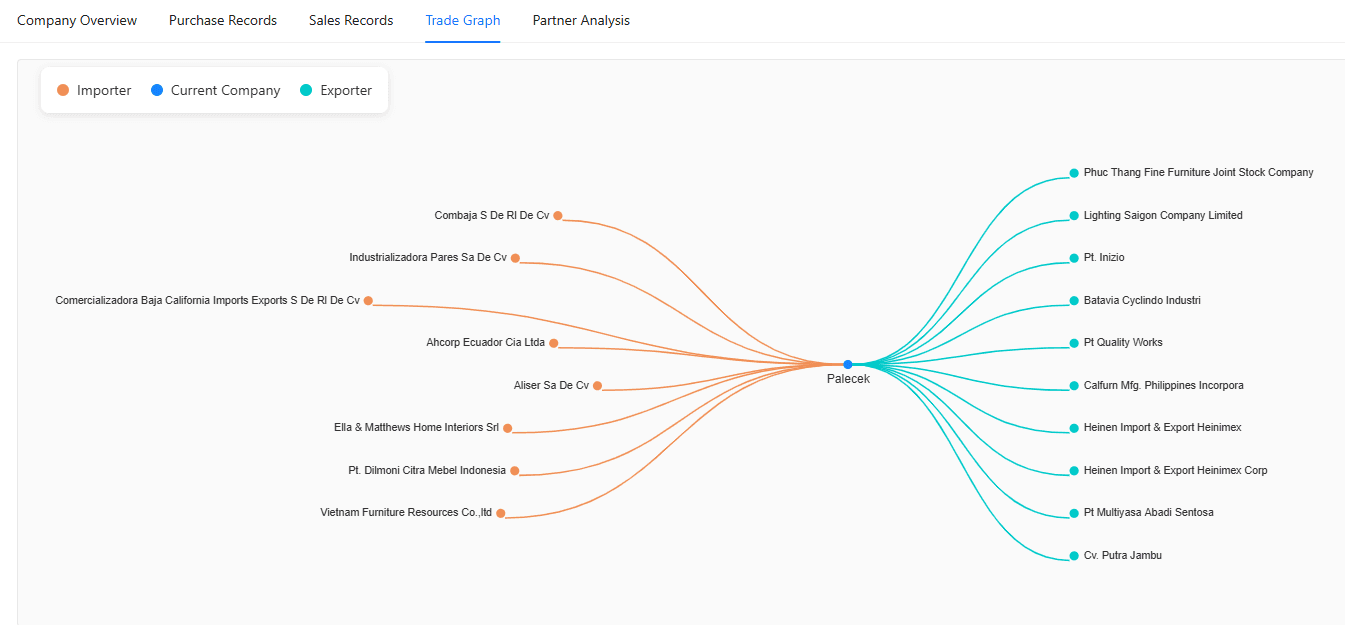
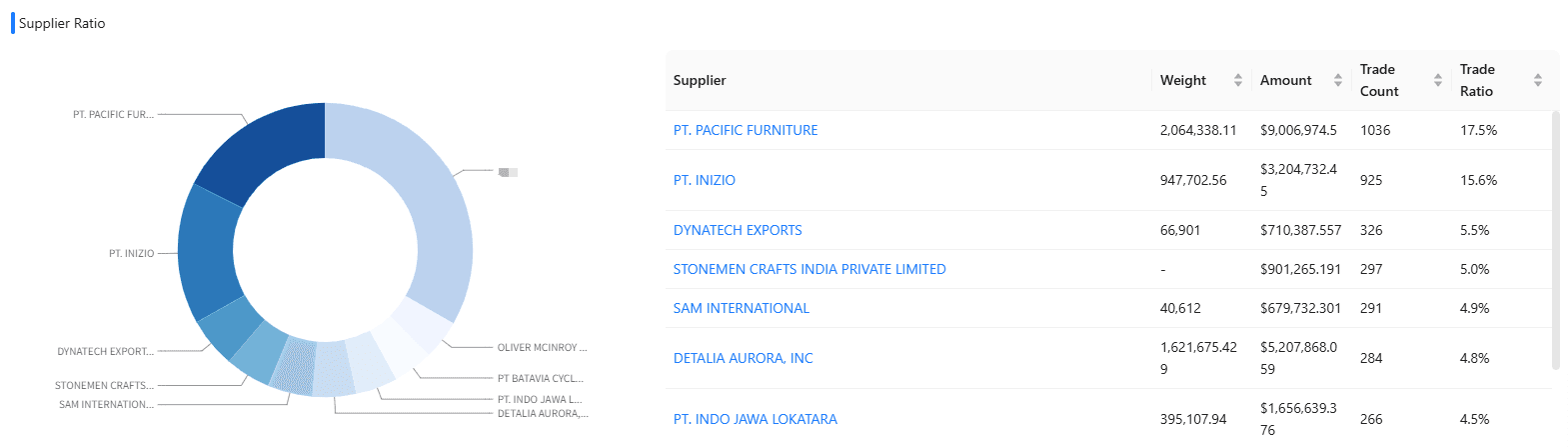
If the customer’s total demand remains stable but its orders from your company are falling, there may be a problem.
The customer may have concerns about price, quality, delivery time, product range, or communication.
Finding this change early gives the sales team more time to speak with the customer and improve the offer.
Trade records can also help with lost customers.
By checking what the customer is now buying and which suppliers it is using, the sales team may better understand why the business was lost and find a reason to start a new conversation.
Trade data can therefore support both new customer development and customer retention.
Reach the Right Decision-Maker
Finding the right company does not always mean finding the right person.
If sales teams can only send emails to general addresses such as info@ or sales@, even a well-matched buyer may never see the message.
After finding and checking a buyer, the next step is to identify the people responsible for purchasing, sourcing, supply chain management, or the relevant product category.
Trade data and buyer intelligence tools like TradeSaya can help sales teams move from company-level trade activity to useful contact information, including names, job titles, business email addresses, and professional social media profiles where available.
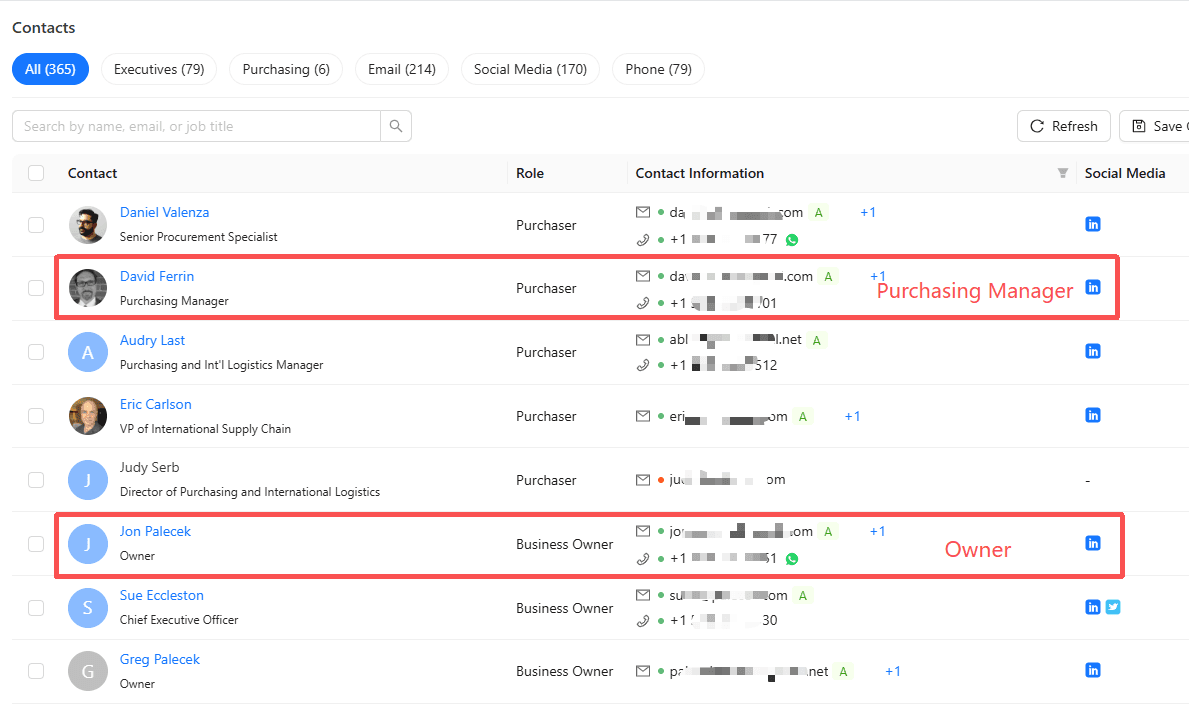
This makes it easier to send a message that matches the buyer’s situation.
If the buyer is adding new suppliers, the message can focus on backup supply or reducing supply risk.
If the buyer is ordering more often, the exporter can highlight production capacity and reliable delivery.
If the buyer is testing new product specifications, the salesperson can discuss custom production, technical requirements, and certifications.
The value of trade data is not only knowing who to contact.
It is also understanding why now may be a good time to contact them and what you should talk about.
Turn Trade Data into Sales Action
In global sales, having more data does not always create better results.
What matters is whether the team can understand the data and use it to make better decisions.
Global trade data shows what is happening between buyers, suppliers, products, and markets.
Tools like TradeSaya help businesses organize that information so they can find active buyers, compare markets, understand buying patterns, watch competitors, notice supplier changes, and reach the right people.