How to Use Customs Data to Identify Buyer Reorder Cycles and Time Your Outreach-TradeSaya

Finding a company that imports your product is only the first step in international sales prospecting.
Many export sales professionals have experienced the same problem: they identify a relevant buyer, send an outreach email, and receive no response. Months later, they discover that the company had just completed a major purchase and was not ready to place another order.
The problem may not be your product or your message. It may simply be your timing.
Customs data can help exporters identify companies that are actively importing relevant products. More importantly, historical shipment dates, purchasing frequency, shipment volume, and supplier relationships can reveal how a buyer typically purchases.
This information cannot tell you the exact date of the buyer’s next order. However, it can help you identify a likely purchasing window and decide when your sales team should begin outreach.
Why Outreach Timing Matters?
Buyer purchasing activity is rarely random.
Some importers replenish inventory every month. Others place larger orders once a quarter. Purchasing schedules may also be affected by peak selling seasons, project timelines, and inventory planning.
If you contact a buyer immediately after a large shipment has arrived, the company may not have an immediate purchasing need. Even if your product is a good fit, your message can easily be ignored.
Contacting the buyer before the next purchasing cycle begins gives you a better chance of being considered during supplier research, quotation requests, product sampling, and price comparisons.
To improve your timing, you need to answer three questions:
- How often does this buyer purchase?
- When is the next purchasing cycle likely to begin?
- How far in advance should you contact the buyer?
The buyer’s historical customs records can provide useful signals.
Step 1: Review the Buyer’s Historical Shipment Dates
Start by arranging the buyer’s historical import records in chronological order.
In TradeSaya, you can search for relevant buyers by product keyword, HS code, target market, or company name. You can then open an individual buyer profile to review its historical trade activity.
Look for the following information:
- The date of the buyer’s most recent shipment
- The number of shipments made during the past year
- The typical interval between shipments
- Whether purchasing intervals are relatively consistent
- Whether there are long periods with no purchasing activity
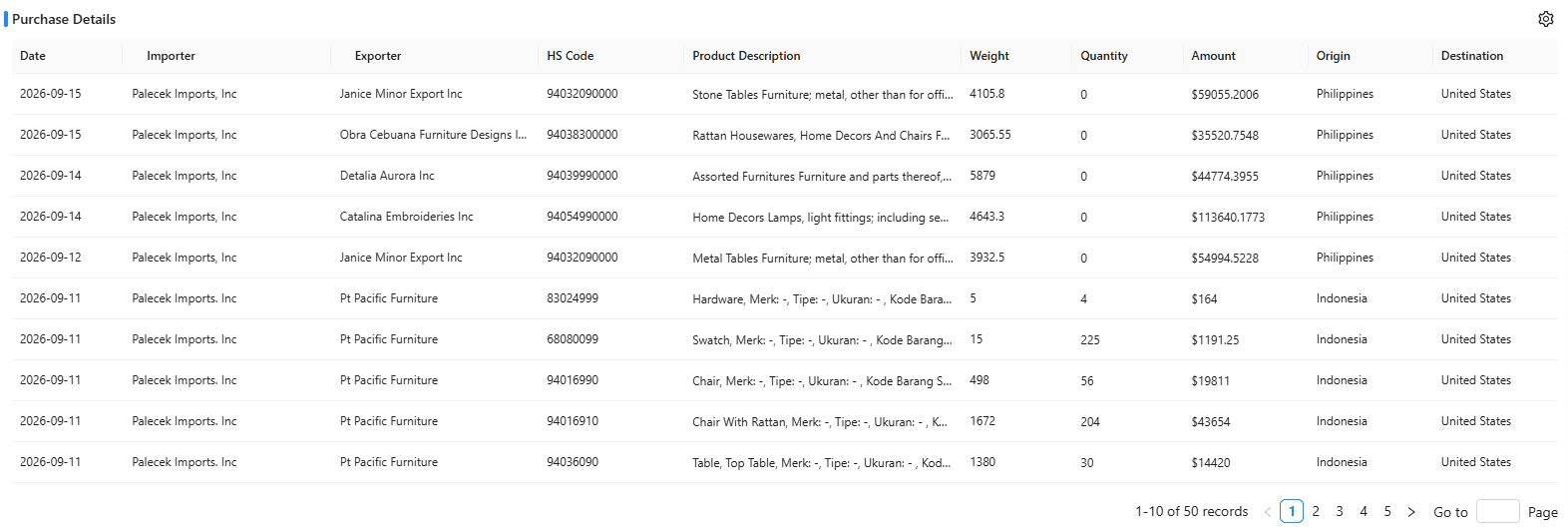
For example, suppose a buyer imported the same type of product in January, April, July, and October. This does not guarantee that the next order will arrive in January, but it suggests that the buyer may follow a purchasing cycle of approximately three months.
Another buyer may have highly irregular shipment dates, with purchasing intervals ranging from one to six months. In that case, using a simple average would be unreliable. You would also need to examine shipment volume, product categories, and seasonality.
Step 2: Separate Recurring Purchases from One-Time Orders
A company appearing in customs records does not necessarily have recurring demand.
An individual shipment may be related to:
- A one-time project
- Temporary inventory replenishment
- A new product trial
- Seasonal demand
- Supplier testing
- A short-term market opportunity
When reviewing a buyer in TradeSaya, do not look only at whether the company has imported your product before. Expand the date range and check whether the same or similar products appear consistently in its transaction history.
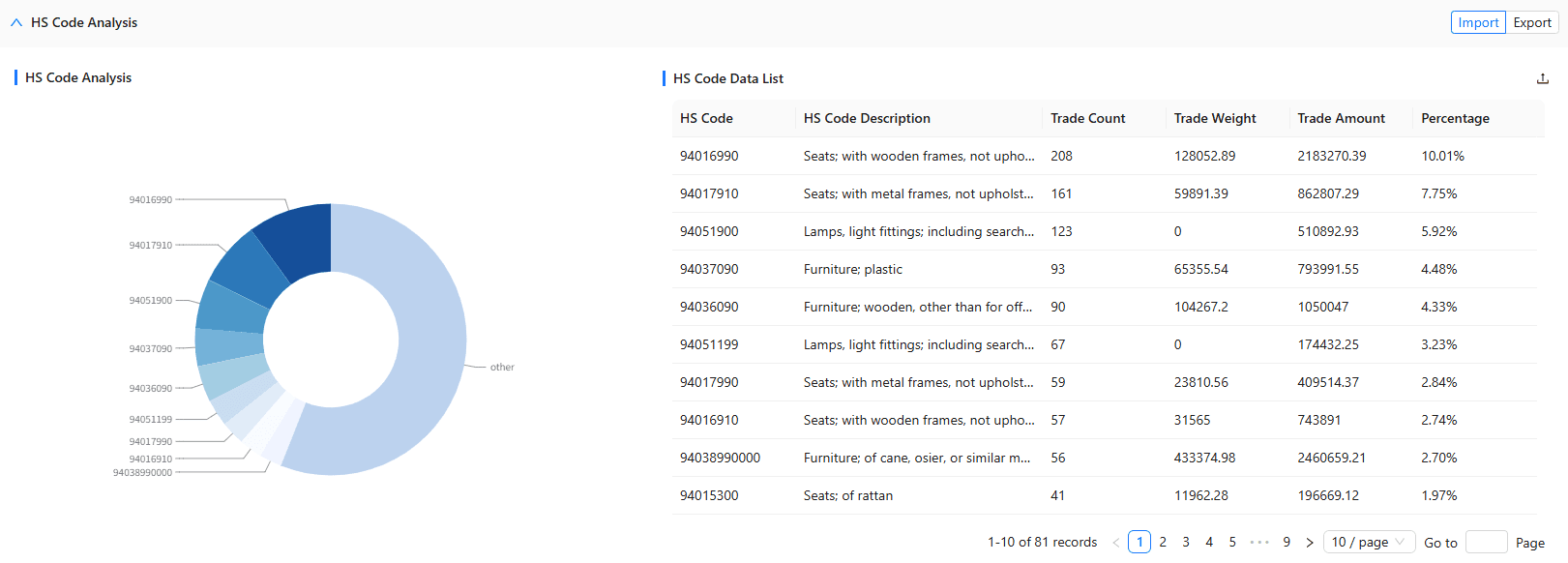
Recurring buyers often show several common characteristics:
- They import similar products over an extended period
- Their purchasing intervals are relatively consistent
- Product descriptions or HS codes remain relevant over time
- Shipment volumes do not change without any recognizable pattern
- They maintain ongoing relationships with one or more suppliers
If a company imported your product once two years ago and has shown no related activity since then, it should generally receive a lower prospecting priority than a buyer that is still purchasing regularly.
Step 3: Use Shipment Volume to Understand the Reorder Cycle
Shipment dates tell you when a buyer imported. Shipment quantities can help explain why the interval between purchases changes.
Suppose a buyer normally imports every two months, but its latest shipment is significantly larger than usual. The next purchase may occur later because the buyer has replenished more inventory in a single order.
The opposite can also happen. If shipment quantities are declining while purchasing frequency is increasing, the buyer may be shifting toward smaller, more frequent orders.
When reviewing historical transactions in TradeSaya, compare quantities, weights, and shipment frequency across multiple periods rather than evaluating one shipment in isolation.
Pay particular attention to:
- The quantity or weight of each shipment
- How the latest shipment compares with the historical average
- Whether purchasing volume is increasing, declining, or stable
- Whether changes in order size correspond with changes in frequency
- Whether shipment volume is being redistributed among suppliers
Keep in mind that units, quantities, weights, and declaration methods may vary by country and record. Whenever possible, compare the same type of product, using the same unit of measurement, across similar time periods.
Step 4: Identify Seasonal Purchasing Patterns
Some products have clear seasonal demand.
Outdoor furniture, gardening products, holiday merchandise, apparel, food products, and gifts may all be affected by peak selling seasons, holidays, or local weather conditions.
To identify seasonality, use TradeSaya to review two or three years of the buyer’s transaction history. Compare shipment timing and volume across different years.
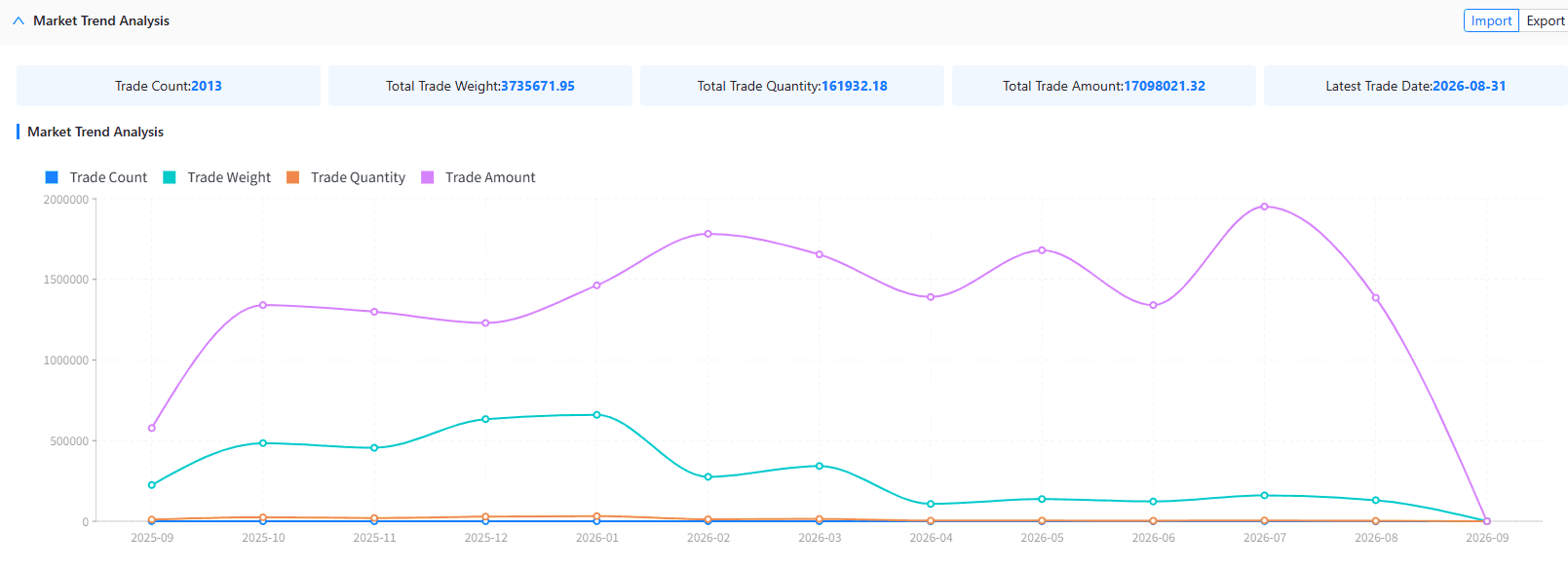
Ask the following questions:
- Are purchases concentrated in the same months each year?
- Do shipment volumes increase before a major selling season?
- Does the buyer continue placing smaller orders during the off-season?
- Do purchasing peaks occur at approximately the same time each year?
- Do imports arrive several months before the local sales season begins?
For example, suppose a European importer of gardening products increases its imports between November and February for three consecutive years. This may indicate that the company is building inventory for the spring selling season.
In this situation, a supplier should not wait until February to make contact. Quotations, product samples, negotiations, production, and transportation all require time. A more appropriate outreach window may be between August and October of the previous year.
Customs data usually reflects when a shipment was imported or declared. The purchasing decision was likely made much earlier. Your outreach plan should therefore account for negotiation, sampling, production, and shipping lead times.
Step 5: Monitor Changes in Supplier Relationships
A buyer’s existing supplier relationships can provide additional context when you evaluate its next purchasing window.
In TradeSaya, historical trade activity can show not only what a buyer purchases but also, where the relevant data is available, its suppliers, sourcing countries, and changes in supplier relationships.
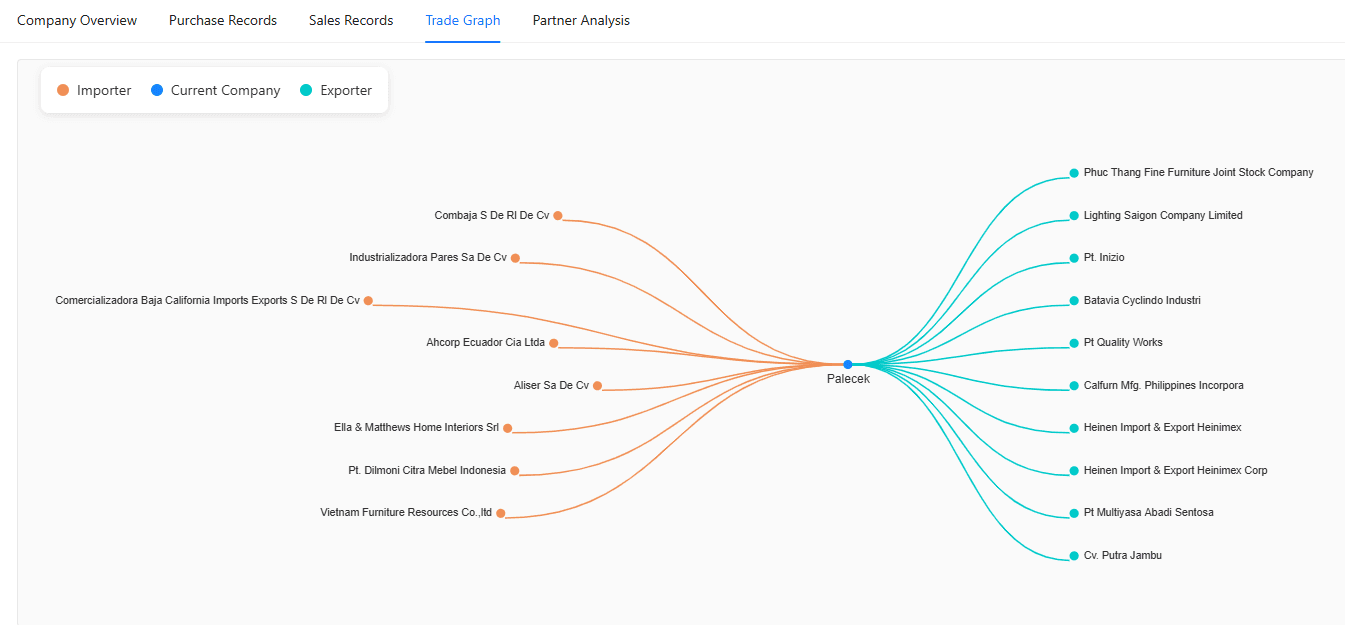
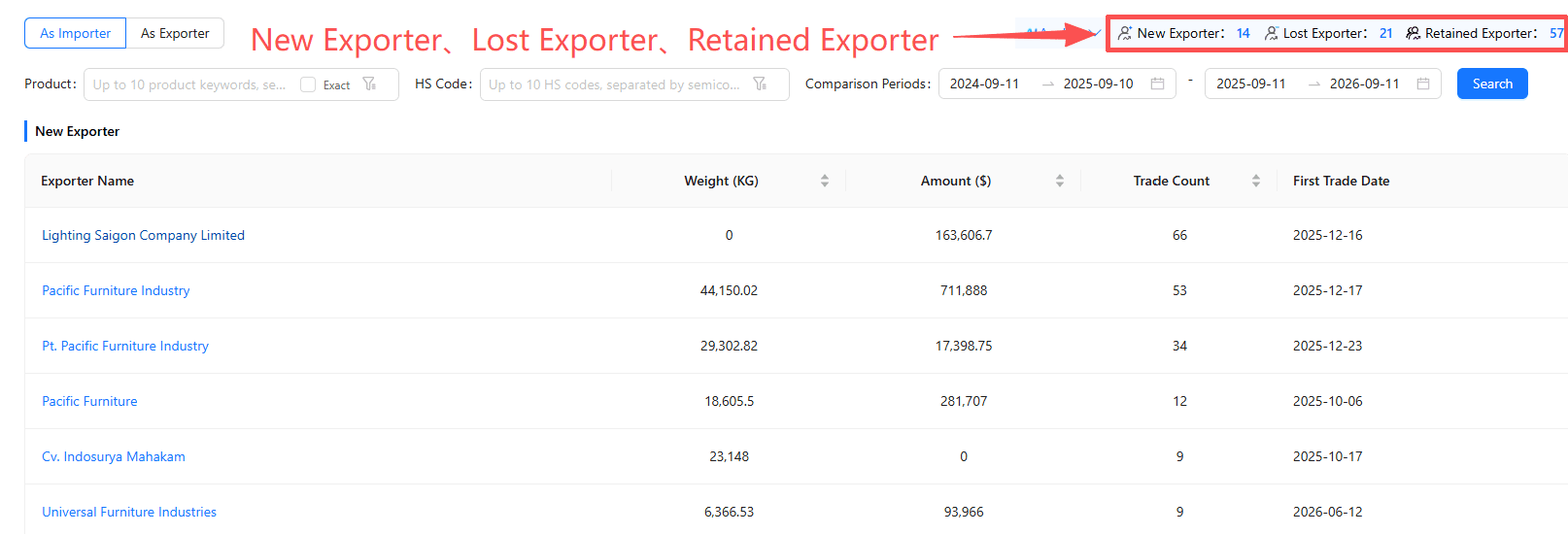
If a buyer has sourced consistently from one supplier for a long time and follows a stable purchasing schedule, entering that account may be more difficult.
However, the following changes may indicate that the opportunity deserves closer attention:
- The buyer has recently added new suppliers
- Shipment frequency from an existing supplier is declining
- The buyer has started sourcing from a new country
- Multiple suppliers are providing the same type of product
- A new supplier receives a trial order followed by larger shipments
- The buyer’s total purchases are increasing, but its original supplier’s volume is not
These signals do not prove that the buyer intends to replace a supplier. They may indicate that the company is testing alternative sources, diversifying supply chain risk, or responding to limitations from existing suppliers.
If these changes appear shortly before the buyer’s likely purchasing window, the company may deserve a higher outreach priority.
How to Determine the Best Time for Outreach?
Once you have identified a possible purchasing cycle, work backward from the estimated import window.
Suppose a buyer imports approximately once every three months. Its most recent shipment arrived in mid-July, making October the next likely import window.
Production and ocean freight require six to eight weeks, while sampling, quotation, and negotiation may require another two to four weeks.
In this case, the sales team may need to contact the buyer no later than late July or August instead of waiting until October.
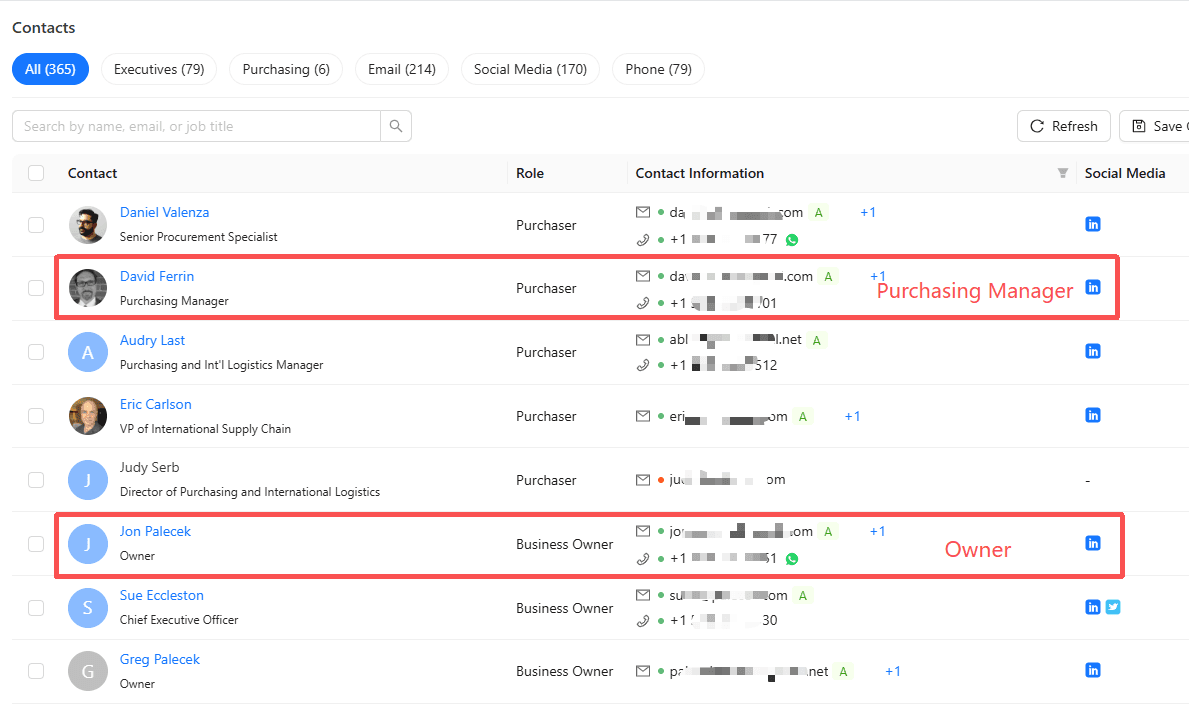
After completing the initial analysis, you can use the decision-maker contact information available through TradeSaya to reach procurement managers, supply chain professionals, business owners, or other relevant contacts. This turns purchasing-pattern analysis into a practical follow-up plan.
Final Thoughts
Successful international sales prospecting depends on finding the right company at the right time.
Customs data cannot predict the exact date of a buyer’s next order. It can, however, help exporters understand historical purchasing patterns, seasonal demand, shipment volumes, and changes in supplier relationships.
With TradeSaya, sales teams can identify relevant buyers through real trade activity, analyze their purchasing behavior and supplier relationships, and connect with the appropriate decision-makers.
>>>Request a TradeSaya free demo<<<
Instead of sending the same message to every buyer at any time, focus on companies with consistent purchasing activity, recognizable buying cycles, and an approaching reorder window.
When you combine the right buyer, the right timing, and the right contact, customs data becomes much more than a list of shipment records. It becomes a practical tool for creating better sales opportunities.